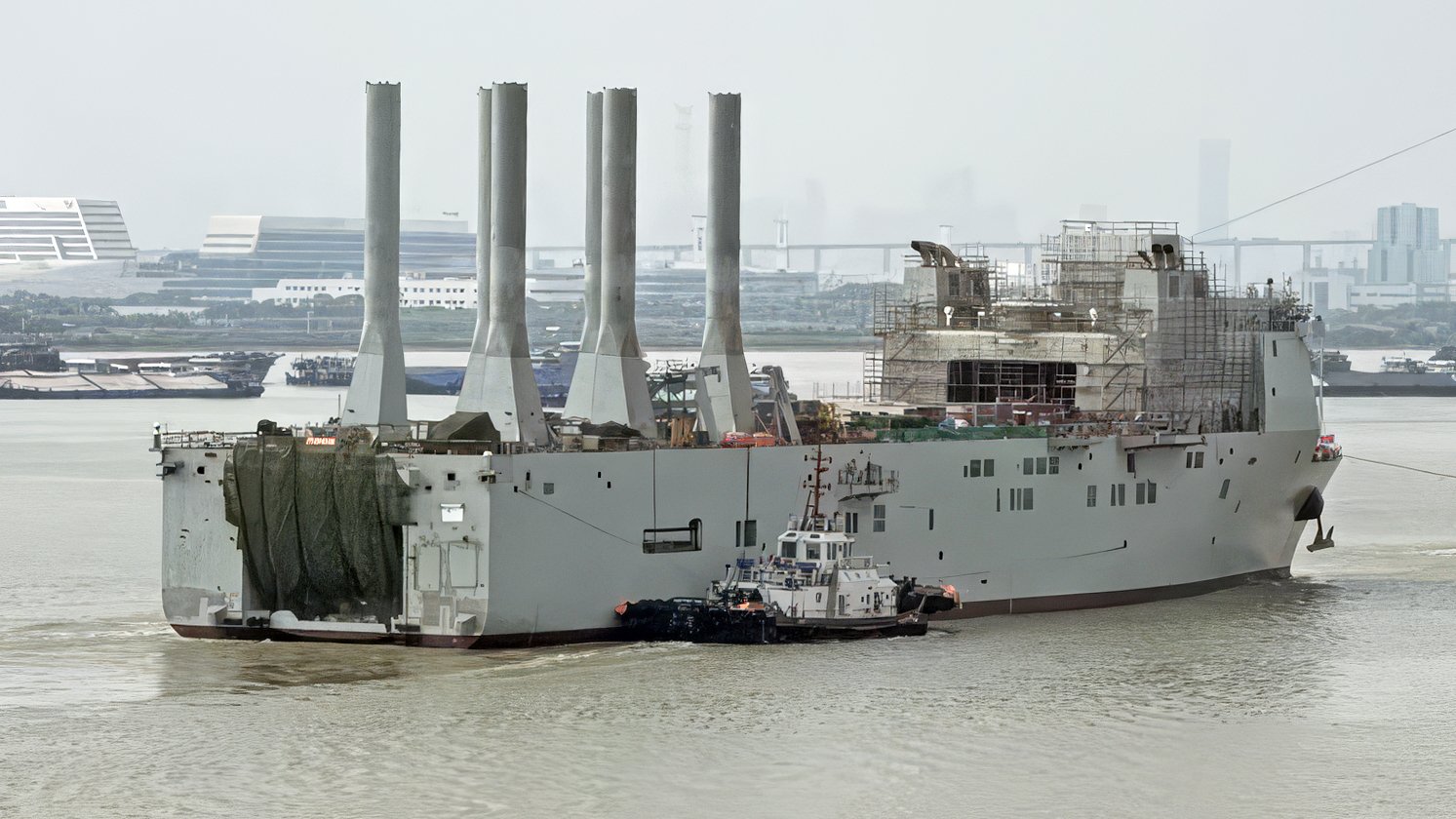
A second Chinese ship configured to deploy and recover uncrewed underwater vehicles has been identified in Guangzhou, joining a larger vessel nearing completion in Shanghai. The two ships may be part of a wider programme, though their operational role and any plans for additional vessels remain uncertain.
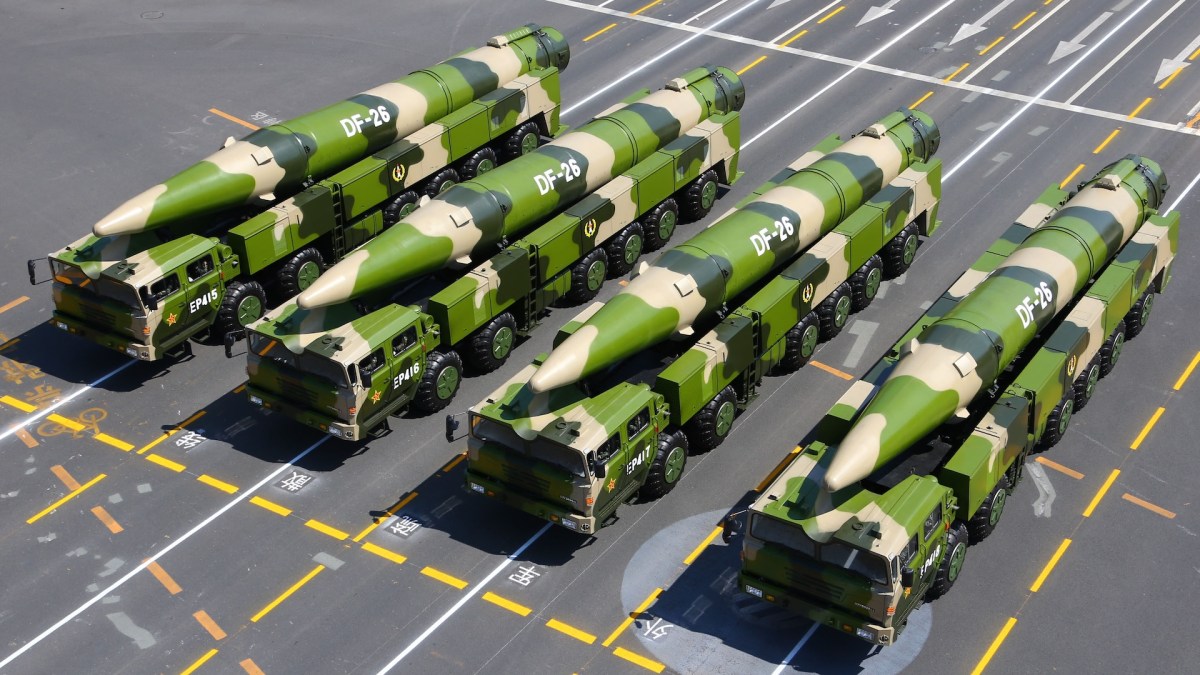
China’s regional ballistic missile force has grown in range, variety and capability, with road-mobile systems central to Beijing’s strategy in the Indo-Pacific. The account details the development and reported roles of the DF-11, DF-15 and DF-16 families, while noting uncertainty around some missile capabilities and deployments.
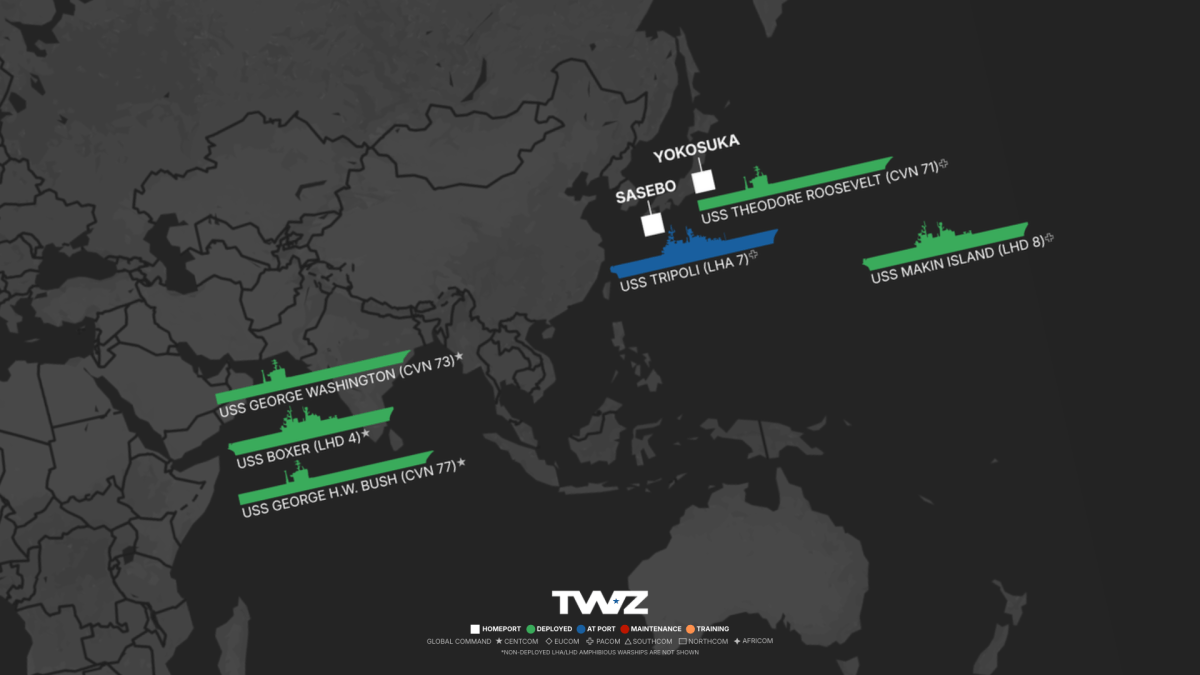
The USS Theodore Roosevelt arrived in Yokosuka ahead of Keen Sword 27, while the USS George H.W. Bush returned to the Middle East and the USS Abraham Lincoln came home after a record-setting deployment. The movements are part of this week’s update on U.S. aircraft carriers and strike groups.
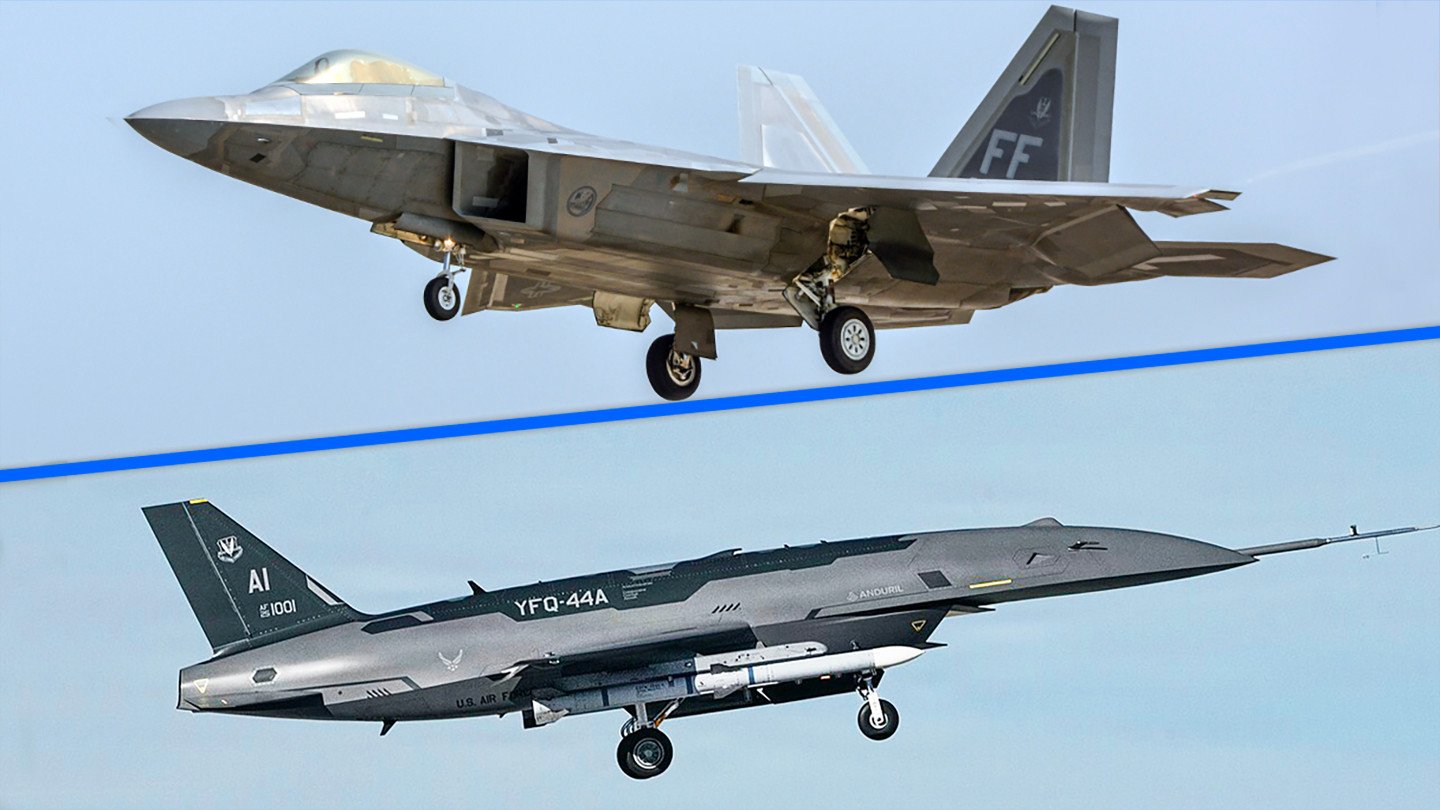
An F-22 pilot directed a YFQ-44A Fury drone in an airborne test earlier this month, sending it a revised mission plan through a tactical data link. The demonstration is part of the U.S. Air Force’s effort to prepare collaborative combat aircraft for operational service later this decade.
The War Zone won Best Military Aviation Submission at the 2026 Defense Media Awards in Washington, D.C., for an article about the F-47’s canards. The outlet also listed nominations for its contributors across several other categories.
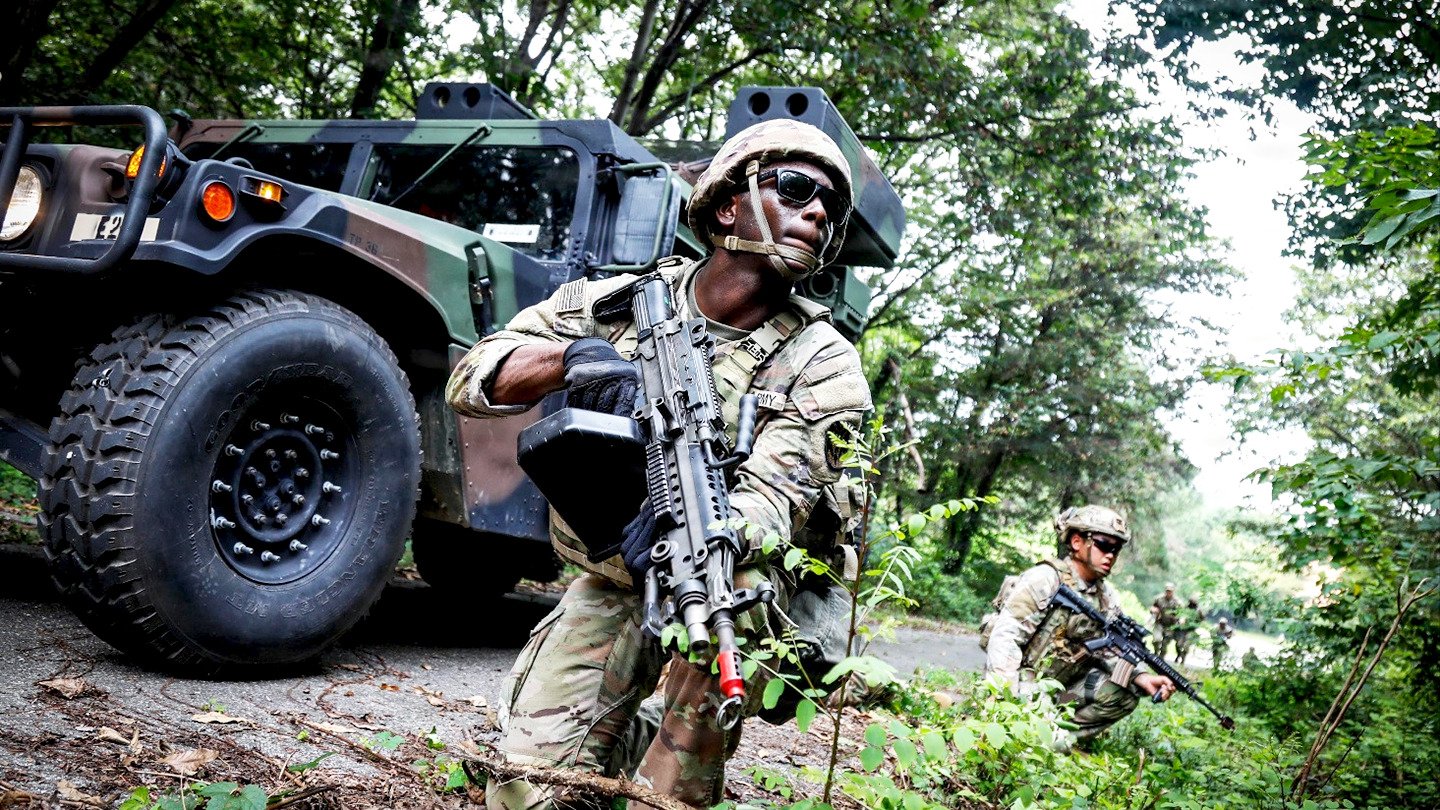
U.S. Army commanders say lessons from Ukraine and the paused U.S. fight against Iran are shaping plans for mobility, camouflage, training and sustainment in the Pacific. They are preparing for a theater where China is a near-peer adversary and forces could face persistent surveillance and long-range attacks.
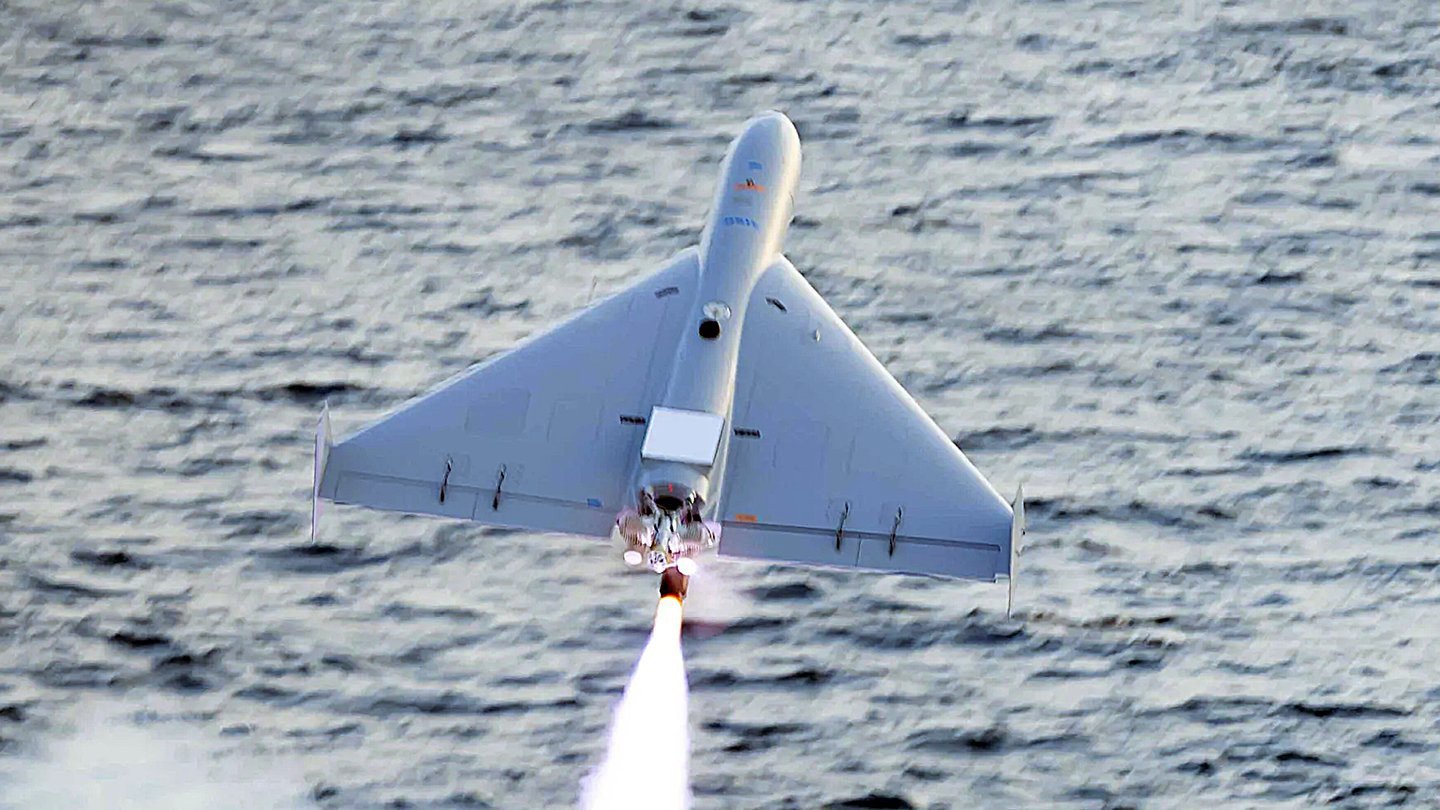
Army leaders say training is incorporating long-range one-way attack drones and other uncrewed systems for use against adversaries in the Pacific and Europe. They described using lower-cost systems to disrupt enemy networks, create opportunities for joint forces and strike high-value targets.
The Canadian Forces Snowbirds held their final home-base aerobatic display with the CT-114 Tutor on Oct. 16, 2026, at 15 Wing Moose Jaw. The team is scheduled to make a Grey Cup flyover in Calgary on Nov. 15, while plans call for the CT-157 Siskin II to take over its demonstration role in the early 2030s.
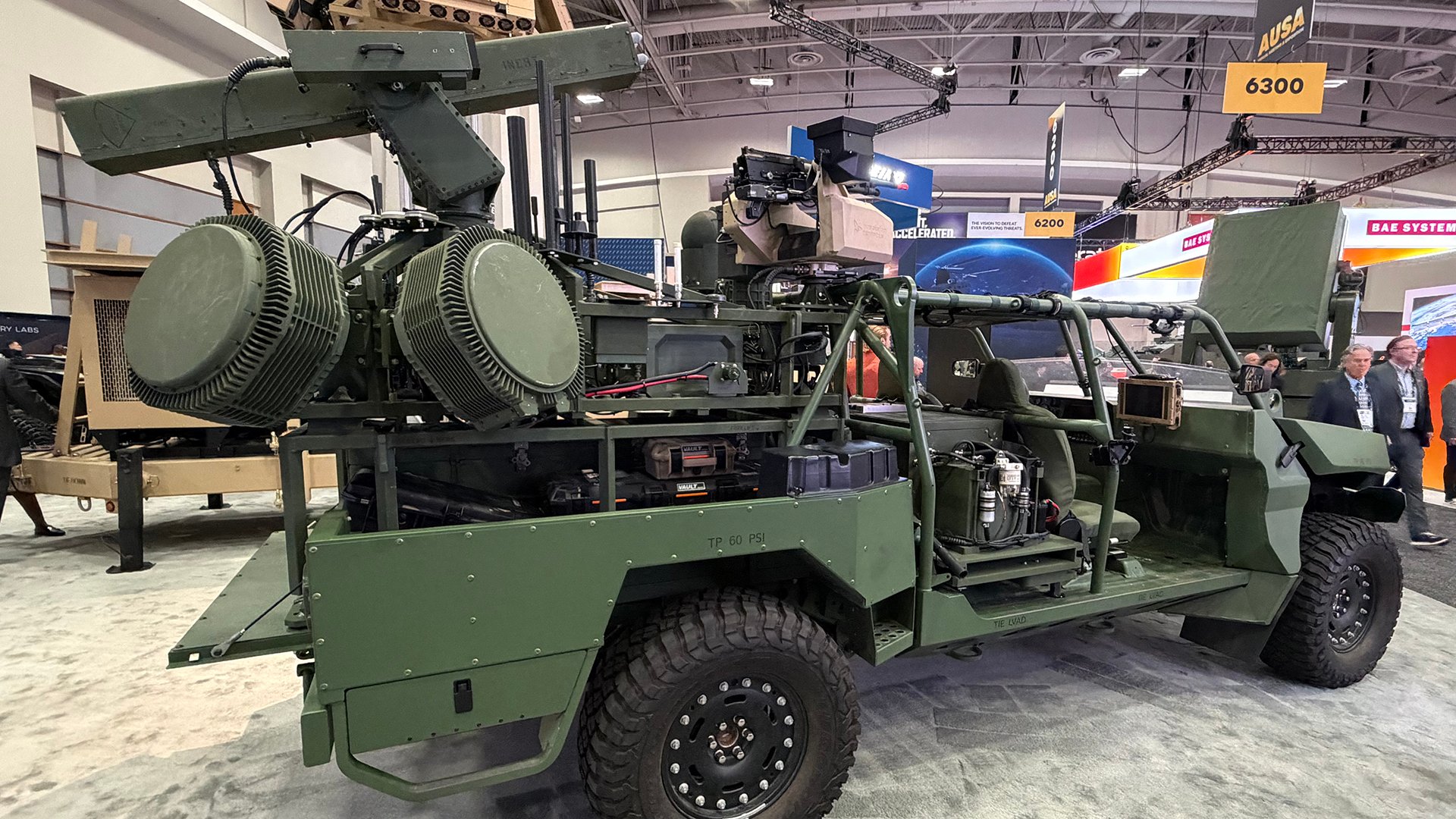
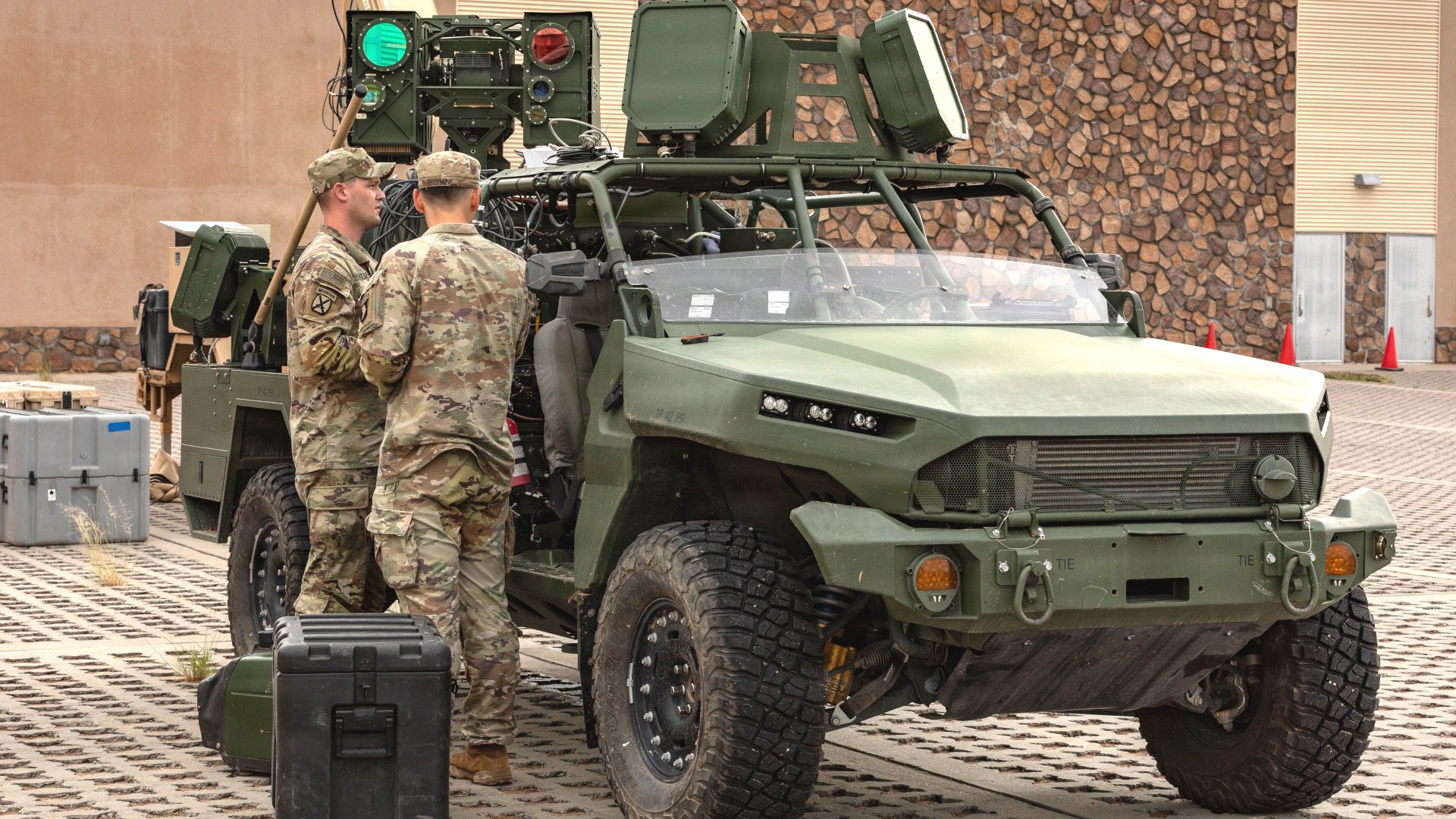
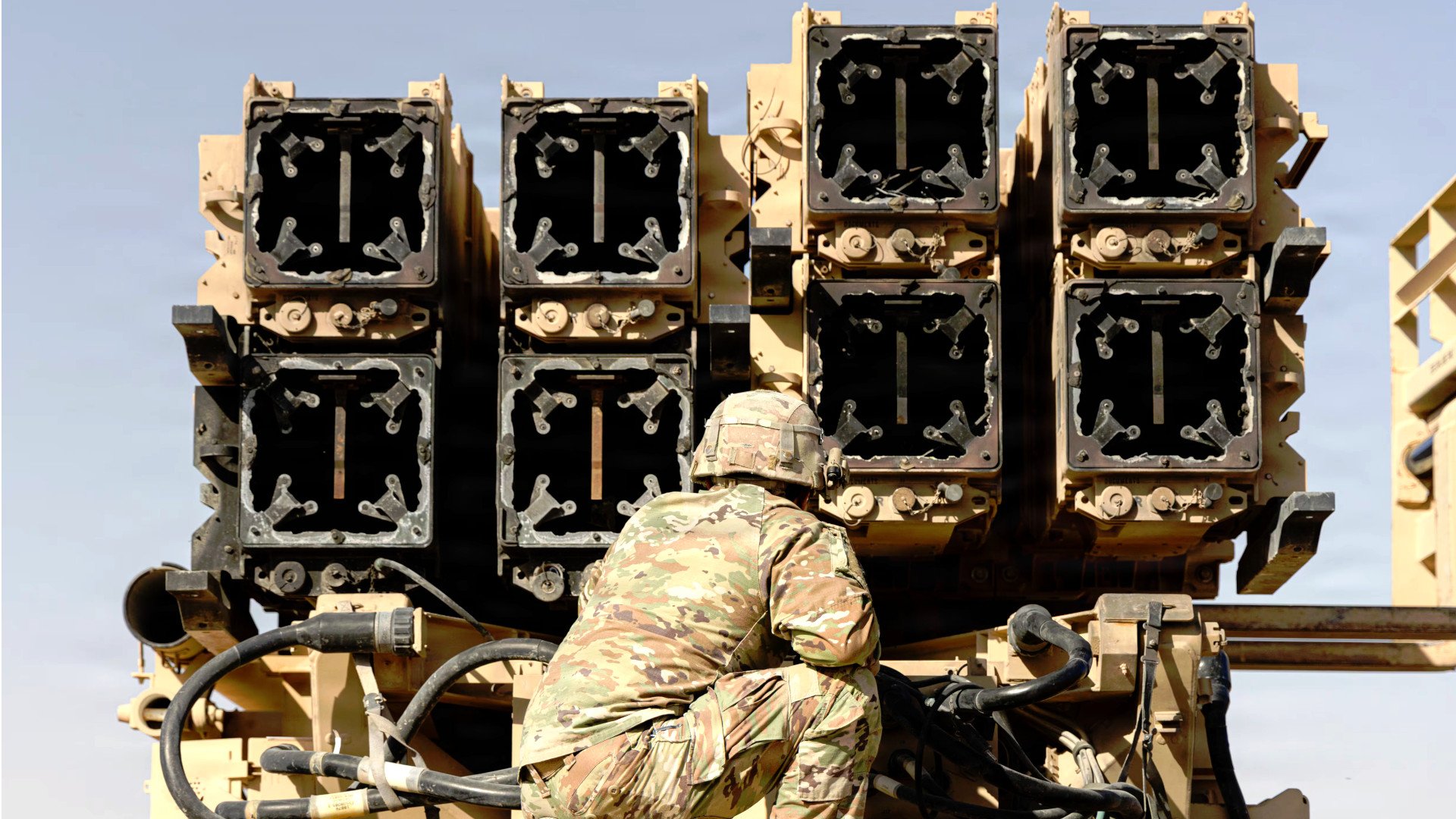
Leonardo DRS is preparing for the U.S. Army’s M-SHORAD Increment 4, which calls for a reconfigurable air defence system that can be used on different vehicles. Company business development director Joe Rolwes discussed mobile air defence and its technologies with Jamie Hunter.
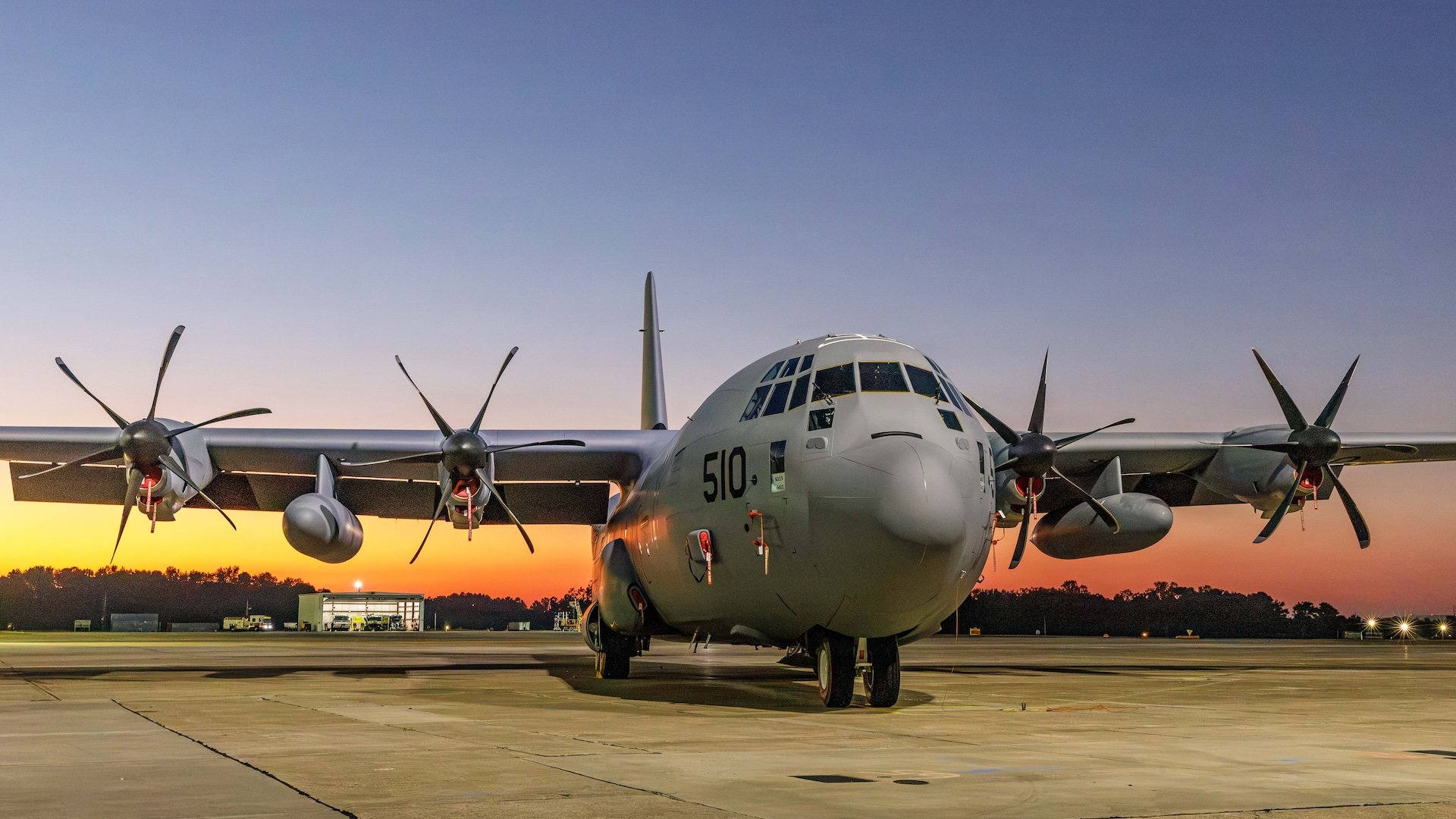
The Navy took delivery of the first C-130J-30 airframe for conversion into an E-130J Phoenix II, its planned replacement for the E-6B Mercury in the TACAMO submarine communications mission. The aircraft will undergo mission-systems integration and testing before it can operate in that role.
President Donald Trump says the Department of War will establish a Montana “super range” for testing advanced weapons and technologies. The announcement included no location, schedule, systems list or cost, while officials and defence reports point to existing facilities and a need for more connected testing space.
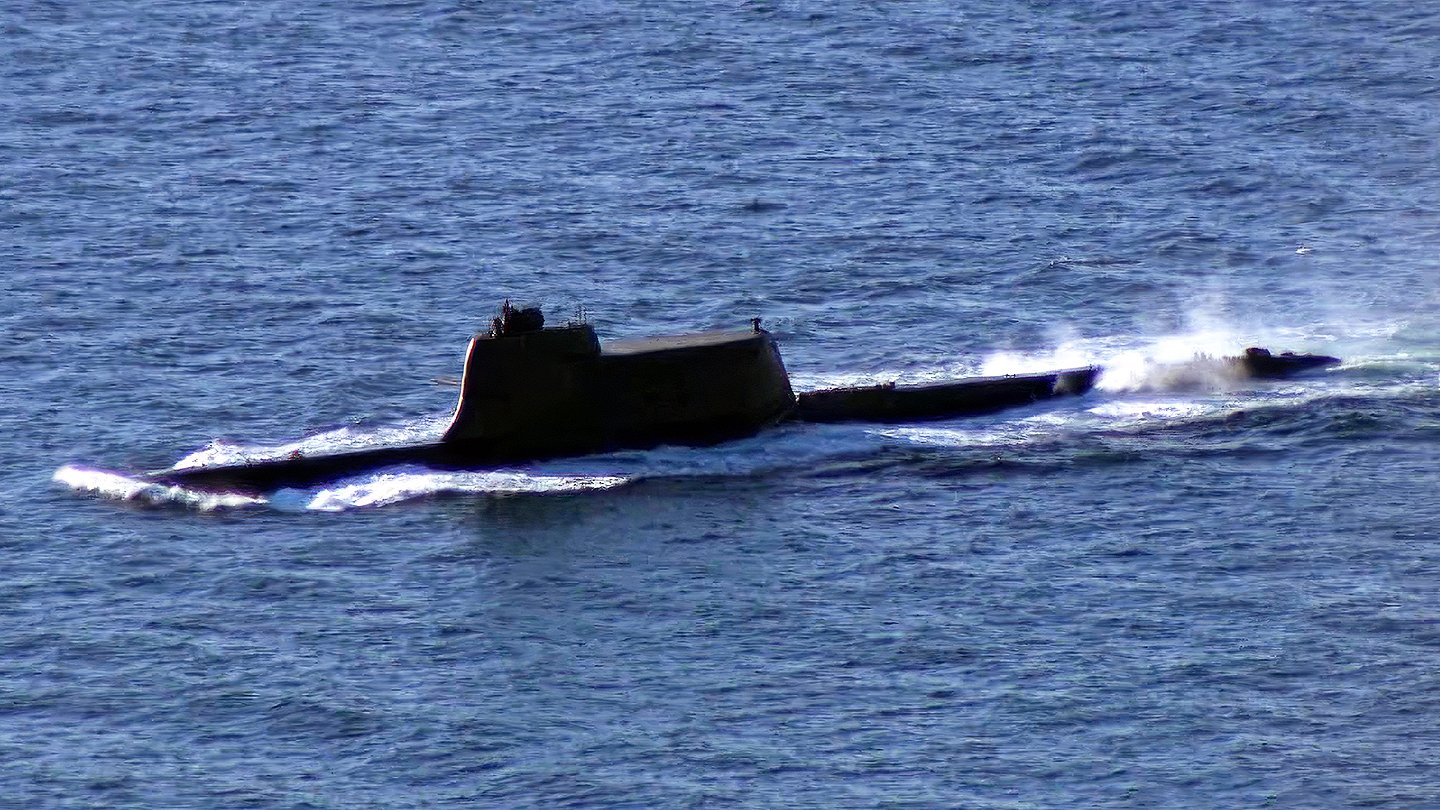
North Korea said it tested two types of submarine-launched strategic cruise missiles off its east coast on Wednesday, October 14. State media showed the Hero Kim Kun Ok underway, though neither Pyongyang nor South Korea publicly confirmed that the submarine launched the weapons.
The U.S. Army is pursuing modular laser weapons that can be moved between vehicles and used by different formations to counter small drones. Officials say the systems must become reliable, maintainable and repairable for wider use.
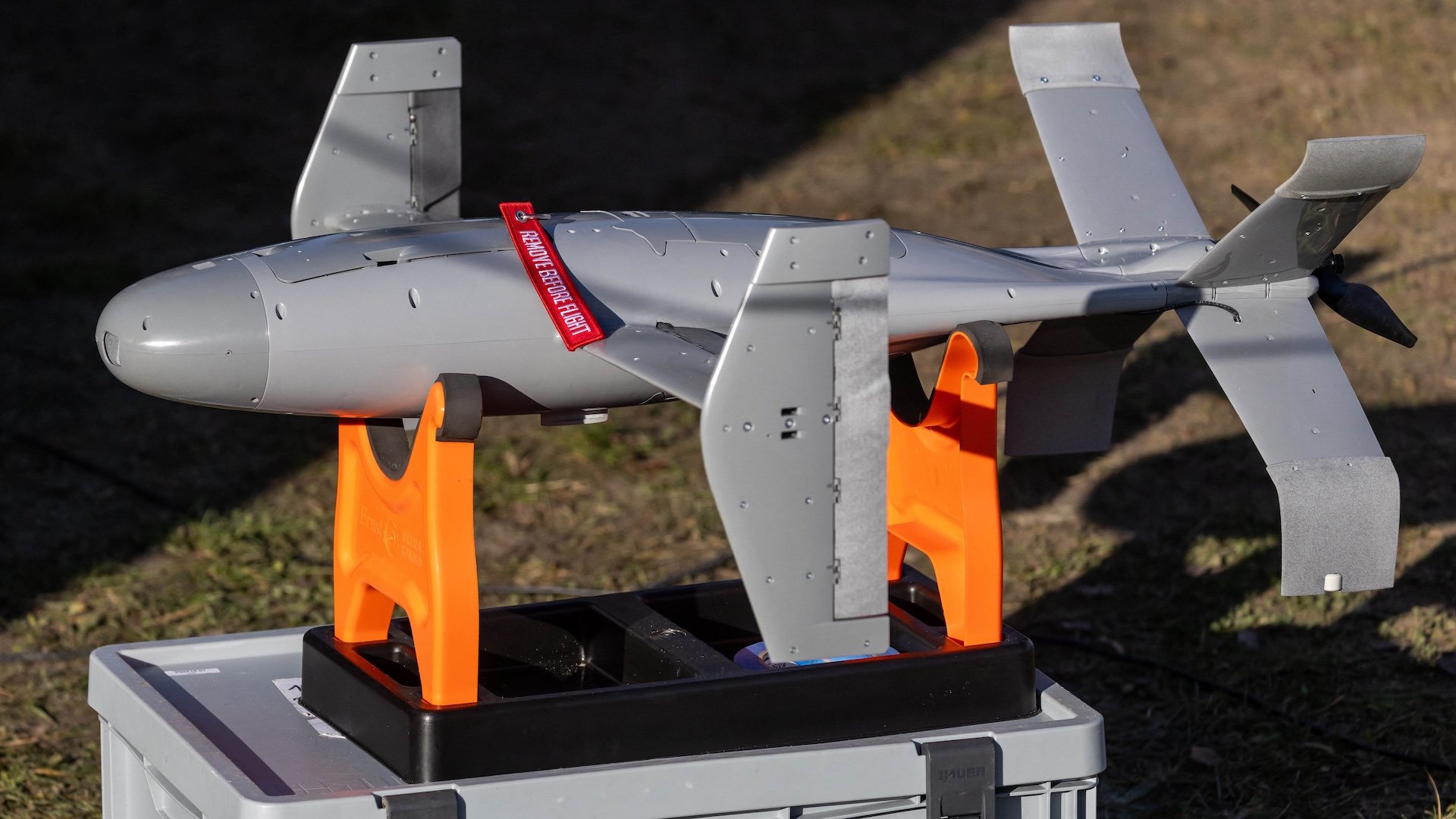
The U.S. Army is advancing at least five programmes for new interceptors, while exploring ways to field competing designs and broaden its suppliers. Lt. Gen. Frank Lozano said the effort is intended to address threats at different cost and capability levels and improve the Army’s ability to sustain its stocks.
The U.S. Army made the Merops counter-drone system a program of record in 142 days after testing its battlefield performance and moving it to NATO partners. Army officials say the effort shows how acquisition can move faster while building a path to long-term support.