The FY2027 defence bills contain provisions to accelerate US-Israel technology cooperation, including a House measure and a related Senate proposal. A Responsible Statecraft analysis argues the plans could pressure safeguards for sensitive technology and reduce congressional oversight, and urges lawmakers to remove or amend the Senate provision.
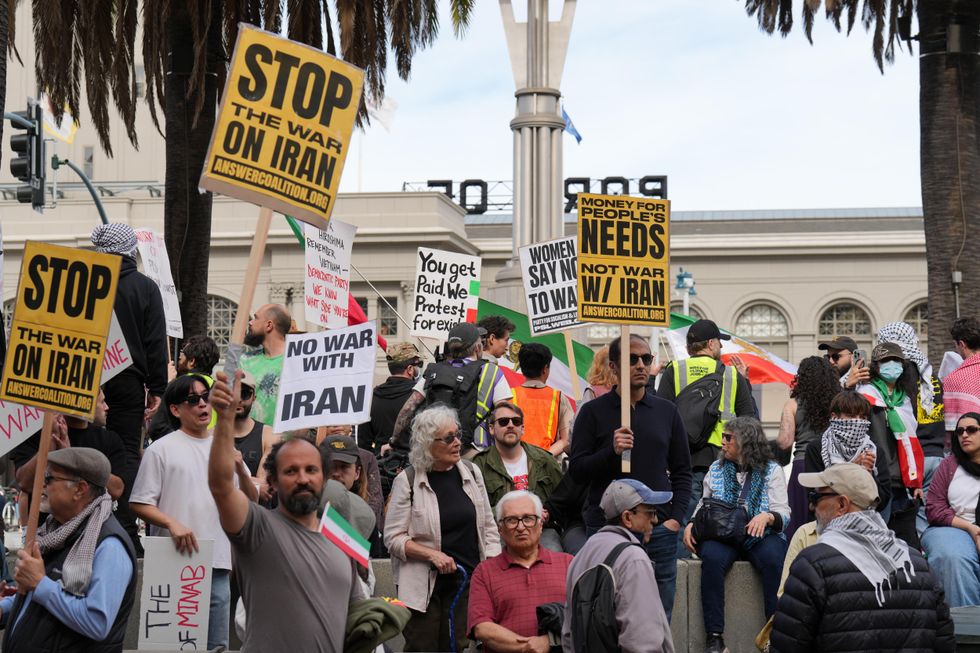
Two national polls found the Iran war ranks among voters’ top concerns as the midterm election approaches, ahead of immigration and crime. The surveys also recorded low approval ratings for President Donald Trump’s foreign policy and showed opposition to U.S. military action against Iran.
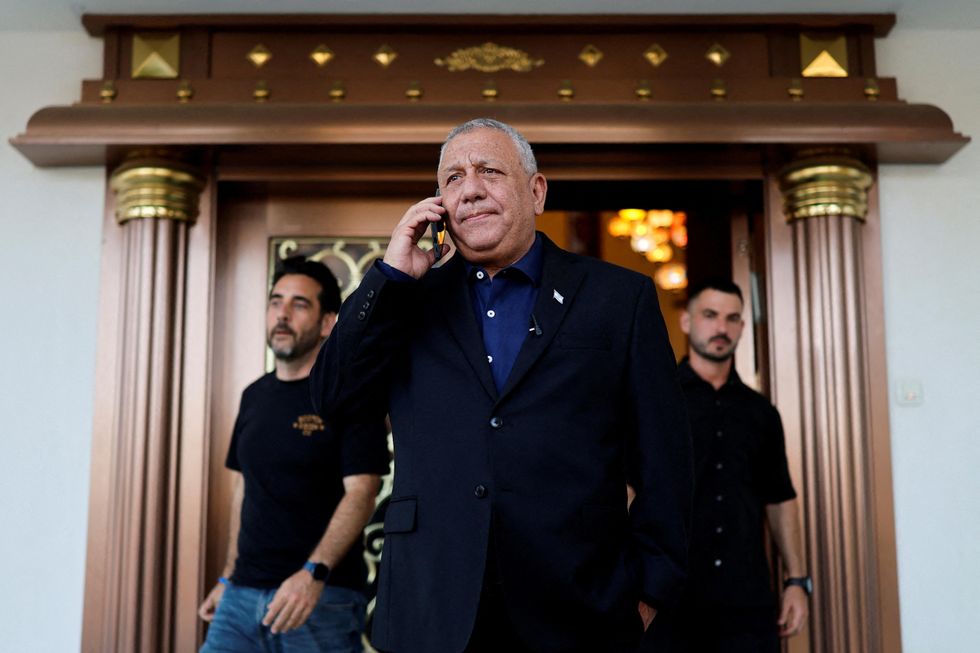
Gadi Eisenkot, seeking to unseat Prime Minister Benjamin Netanyahu in Israel’s Oct. 27 election, pledged to destroy Hamas’s military wing within 18 months of taking office. The candidates are expected to win just over 20 seats each, while the path to a majority coalition remains uncertain.
A recent agreement to lift U.S. sanctions on Russian diesel is unlikely to have much effect on American fuel use or global prices, and its role in ending the war remains uncertain. The argument urges European leaders to weigh the deal against the need for a broader settlement addressing the security disputes underlying the conflict.
The IMF and World Bank’s annual meetings in Bangkok are taking place as the global economy shows resilience amid prolonged conflict, while officials and analysts warn of risks from energy costs, debt, artificial intelligence and climate pressures. The IMF left its global growth forecasts largely unchanged but projected a more uneven distribution of growth across economies.
The conflict with Iran remains unresolved despite U.S. naval actions that have blocked much of Iran’s imports and oil exports while restoring some non-Iranian oil trade through the Strait of Hormuz. A workable ceasefire may require deferring major disputes to later negotiations, rather than demanding sweeping concessions or regime change before fighting stops.
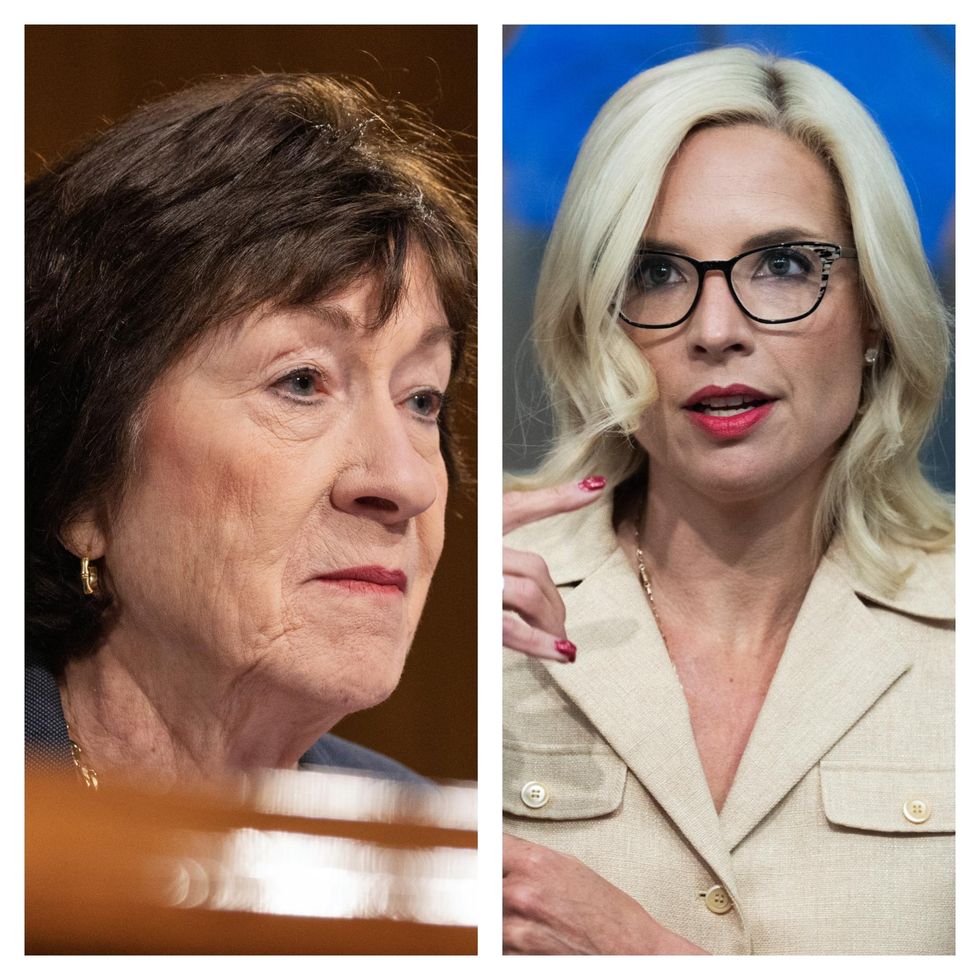
Republican Senate candidates Ashley Hinson in Iowa and Susan Collins in Maine faced questions Tuesday about their efforts to end the Iran war. The conflict’s economic effects and congressional votes to limit President Donald Trump’s war powers are shaping close 2026 races.
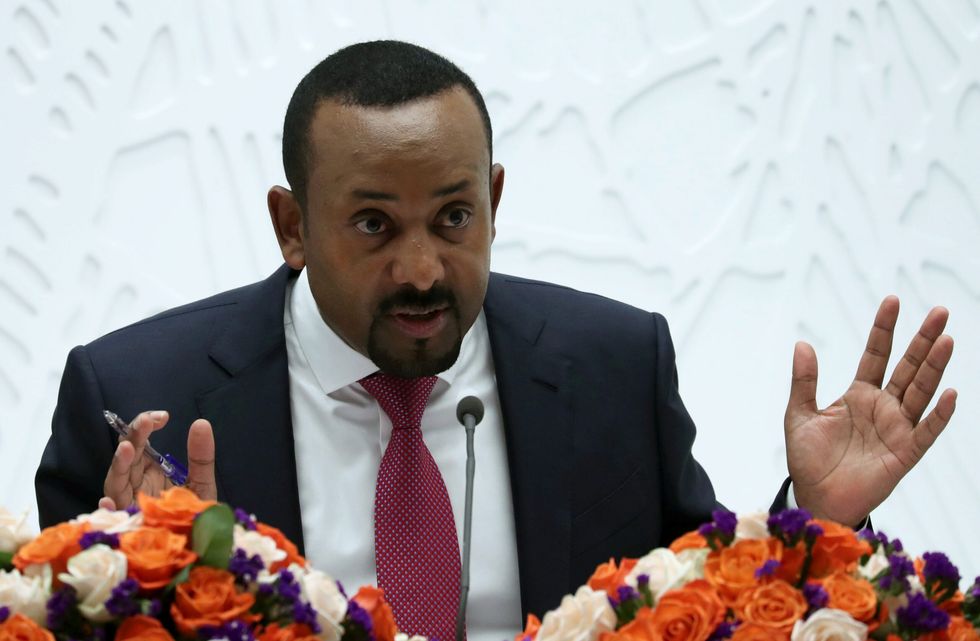
Ethiopia and Eritrea have traded accusations at the United Nations as reports of Eritrean troop advances and Ethiopian drone strikes raise fears of a wider conflict. The dispute unfolds alongside renewed insurgencies in Ethiopia, a strained diplomatic landscape and unresolved issues from the earlier Tigray war.
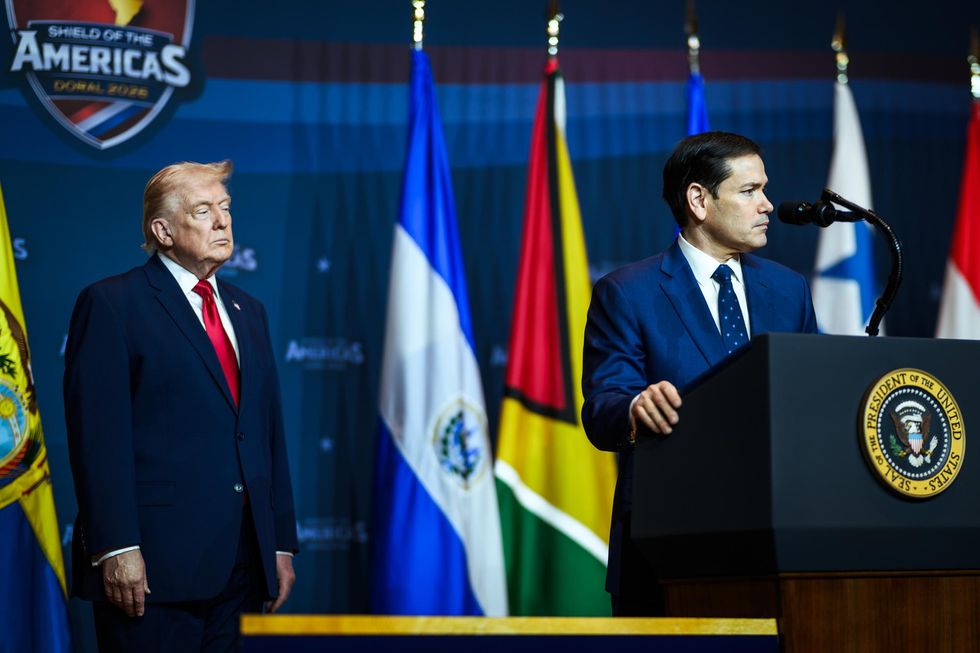
A 2026 LAPOP survey found opposition parties ahead of governing parties in eight of the Shield of the Americas’ 11 surveyed countries. The results point to weaker backing for coalition governments and Washington as security measures expand across the region.
Diego Garcia remains central to US military operations across the Indian Ocean and surrounding regions, even as Britain negotiates a deal to transfer sovereignty of the Chagos Archipelago to Mauritius. A new history by Samuel Bashfield traces the base’s strategic role and the agreements linking American access to Britain’s nuclear deterrent.
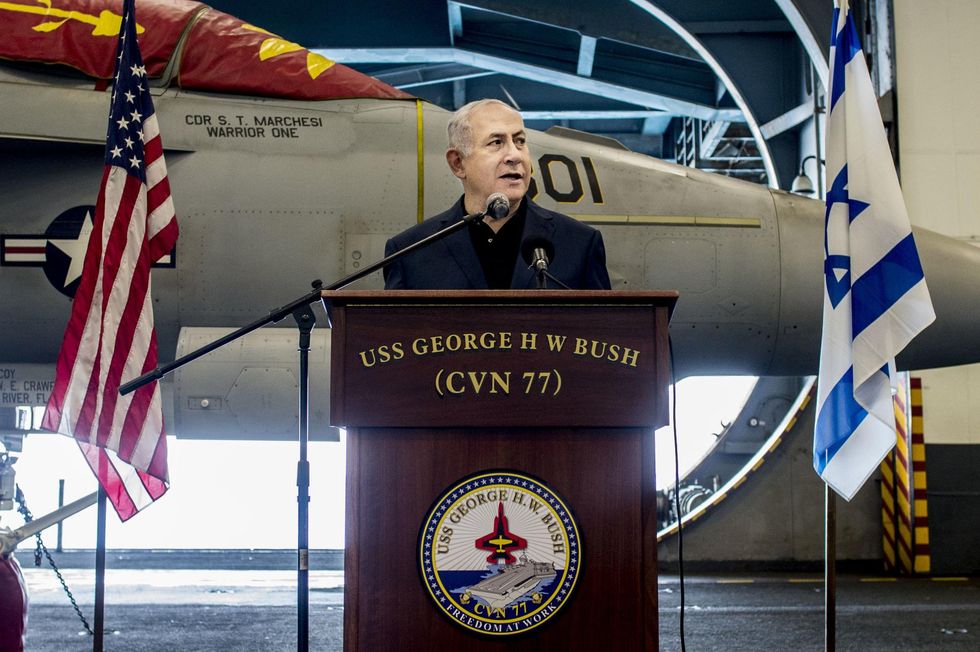
JINSA says its recommendations shaped provisions in the House version of the 2026 defence bill, including a proposed U.S.-Israel cooperation framework. Many alumni of its Generals and Admirals program later took roles in the defence industry, while some have publicly advocated for policies aligned with Israeli interests.
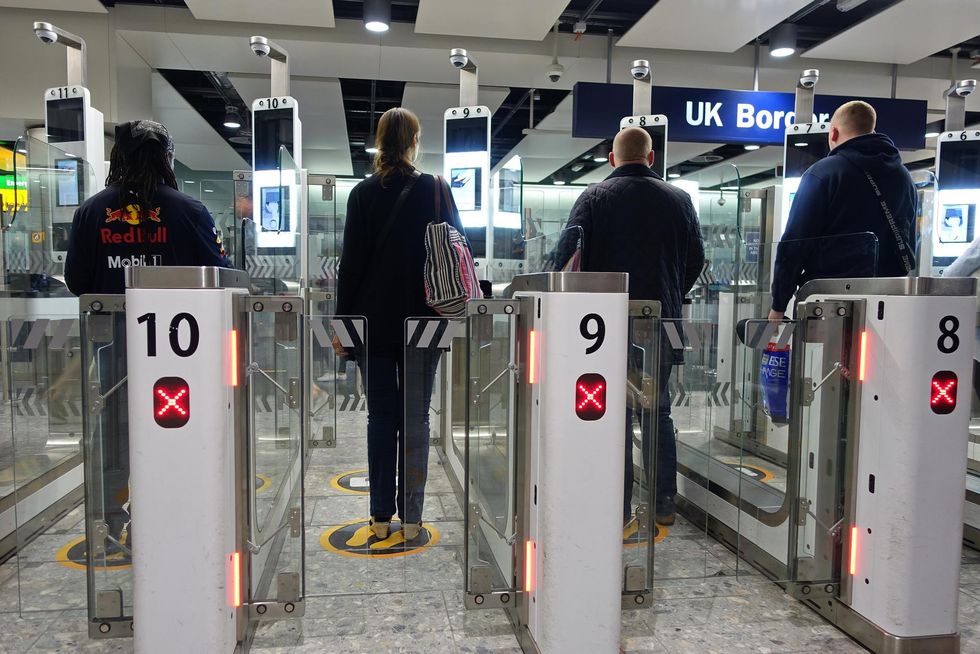
A former British diplomat says UK counter-terrorism police detained him for three hours at an airport on Oct. 2 after he returned from a conference in Russia. He describes the detention as part of a wider pattern of pressure on critics of British and European foreign policy.
Republicans could face substantial losses in November as the Iran war weighs on voters, raises costs and strains the coalition behind President Donald Trump. The conflict may also sharpen divisions within the party over interventionism and the future of Vice-President JD Vance.
Defense Secretary Pete Hegseth has announced a 20 per cent cut to general and flag officer positions, scheduled for Jan. 1, 2027. An opinion piece argues that the review should scrutinize regional combatant commands and restore civilian leadership to a stronger role in policy and diplomacy.
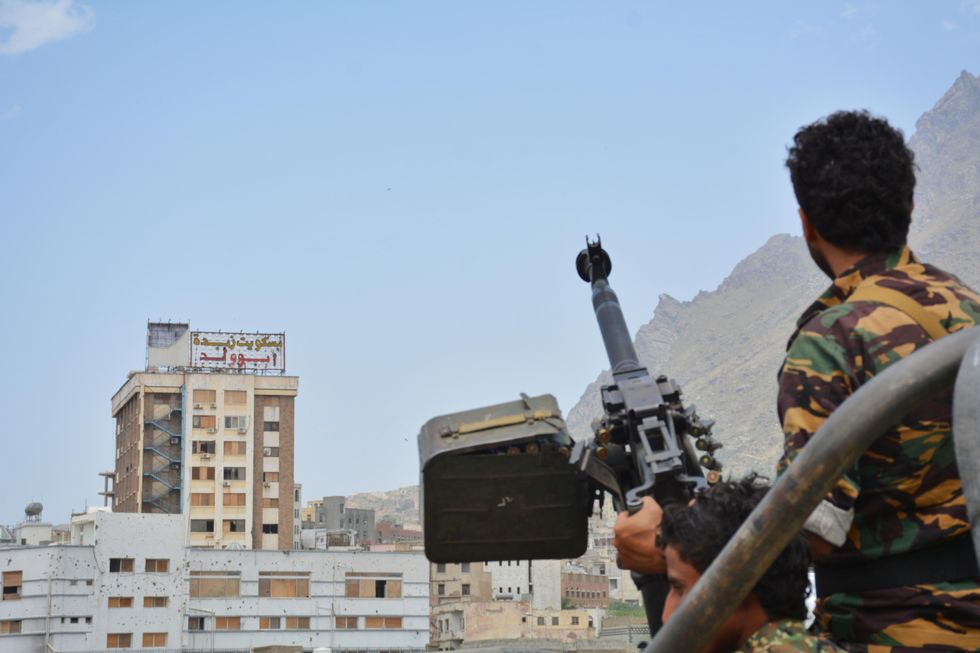
Saudi-backed forces began retaking territory along Yemen’s Red Sea coast in early October as Saudi Arabia launched air strikes against Houthi positions. The renewed fighting follows a Houthi offensive and reflects a separate Yemen conflict that is being intensified by the wider war involving Iran, the United States and Israel.
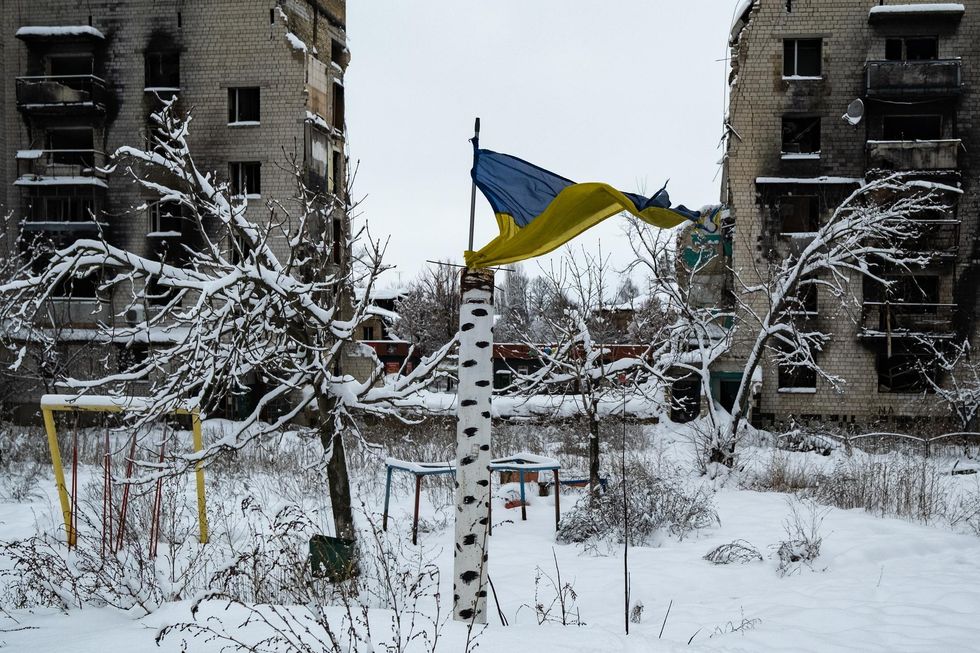
A Responsible Statecraft essay imagines a February 2027 humanitarian and military crisis in Ukraine, followed by a dangerous confrontation over Russia’s Kaliningrad exclave. The author argues that broader security talks with Moscow, reduced support for Ukrainian long-range strikes and a discreet back channel could lower the risks.
President Donald Trump announced a $7 billion agreement with Anduril to build autonomous submarines and parts for Virginia-class attack submarines in Baltimore. The plan has prompted questions about the company’s experience, potential conflicts of interest and the strain on a shipbuilding workforce already facing shortages.
Responsible Statecraft and Peter Zeihan, newest first.