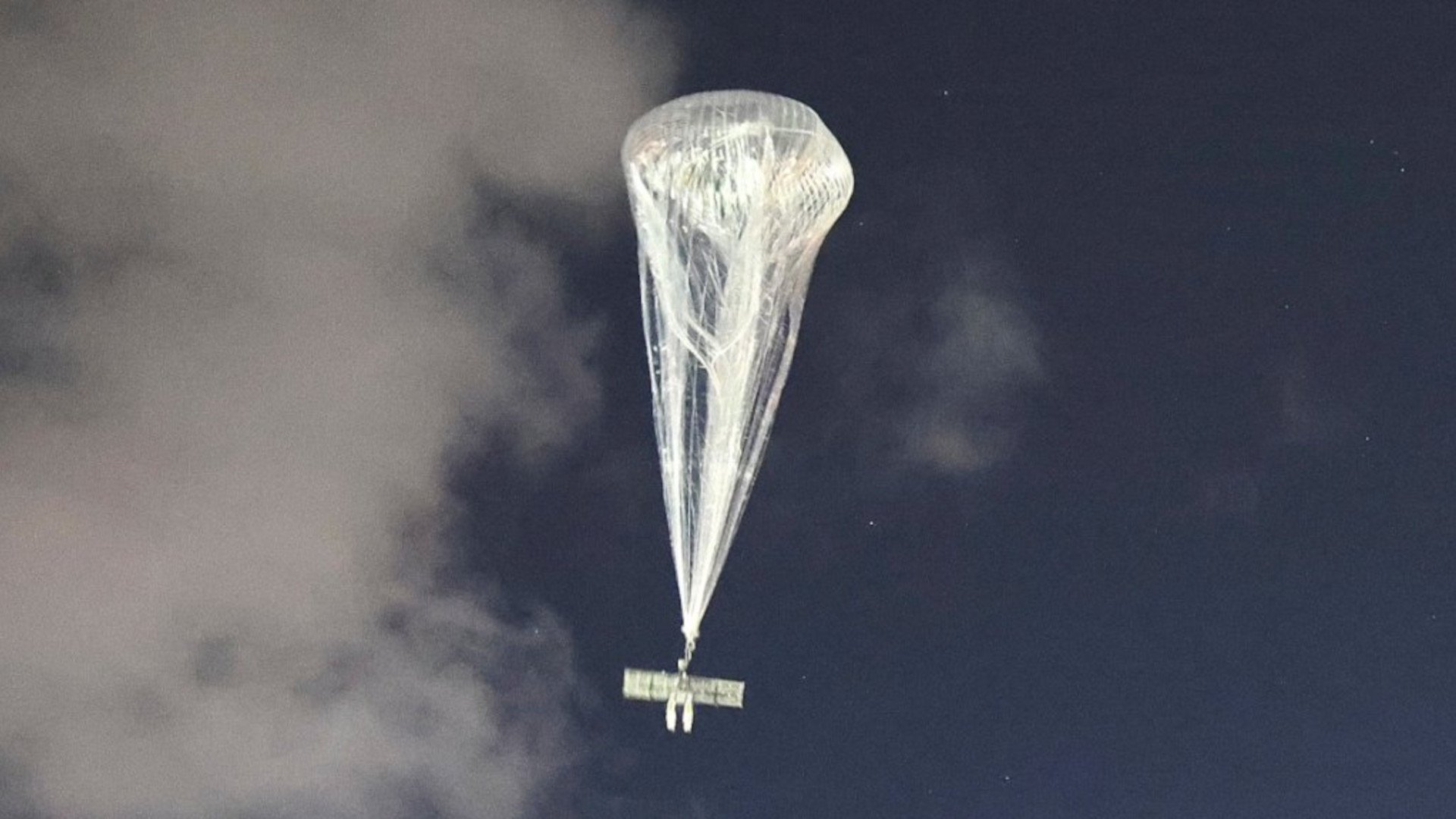
Lt. Gen. John Rafferty said his view of high-altitude balloons changed after seeing them used in training and experimentation in Morocco. The Army is developing a range of stratospheric systems and plans further experiments, after redirecting a planned Pacific test to support operations in the Middle East.
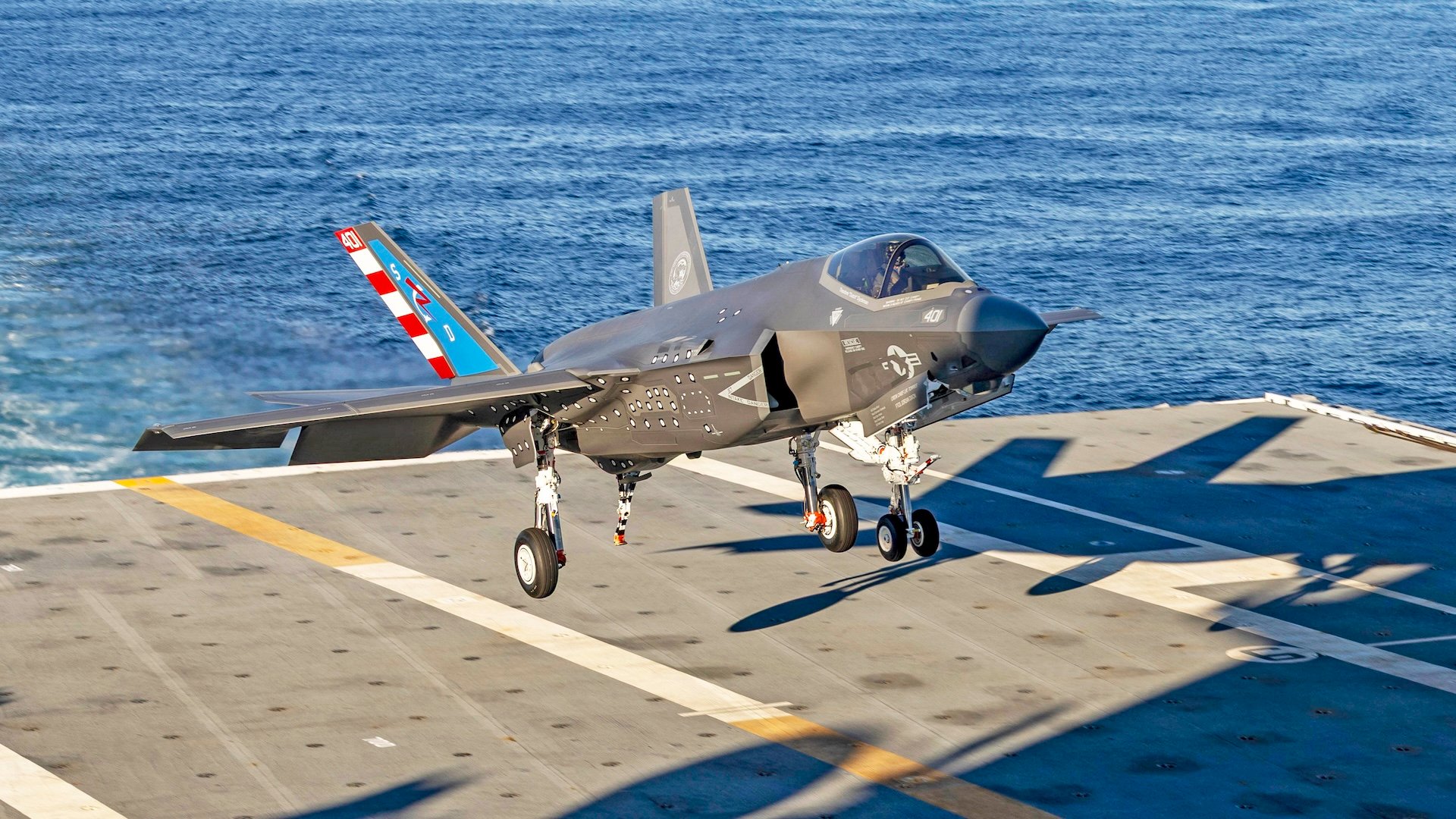
A U.S. Navy F-35C completed its first arrested landing aboard the future USS John F. Kennedy in the Western Atlantic on Oct. 13, 2026. The flight is part of an ongoing campaign to assess the carrier’s compatibility with the stealth fighter, with further testing still required.
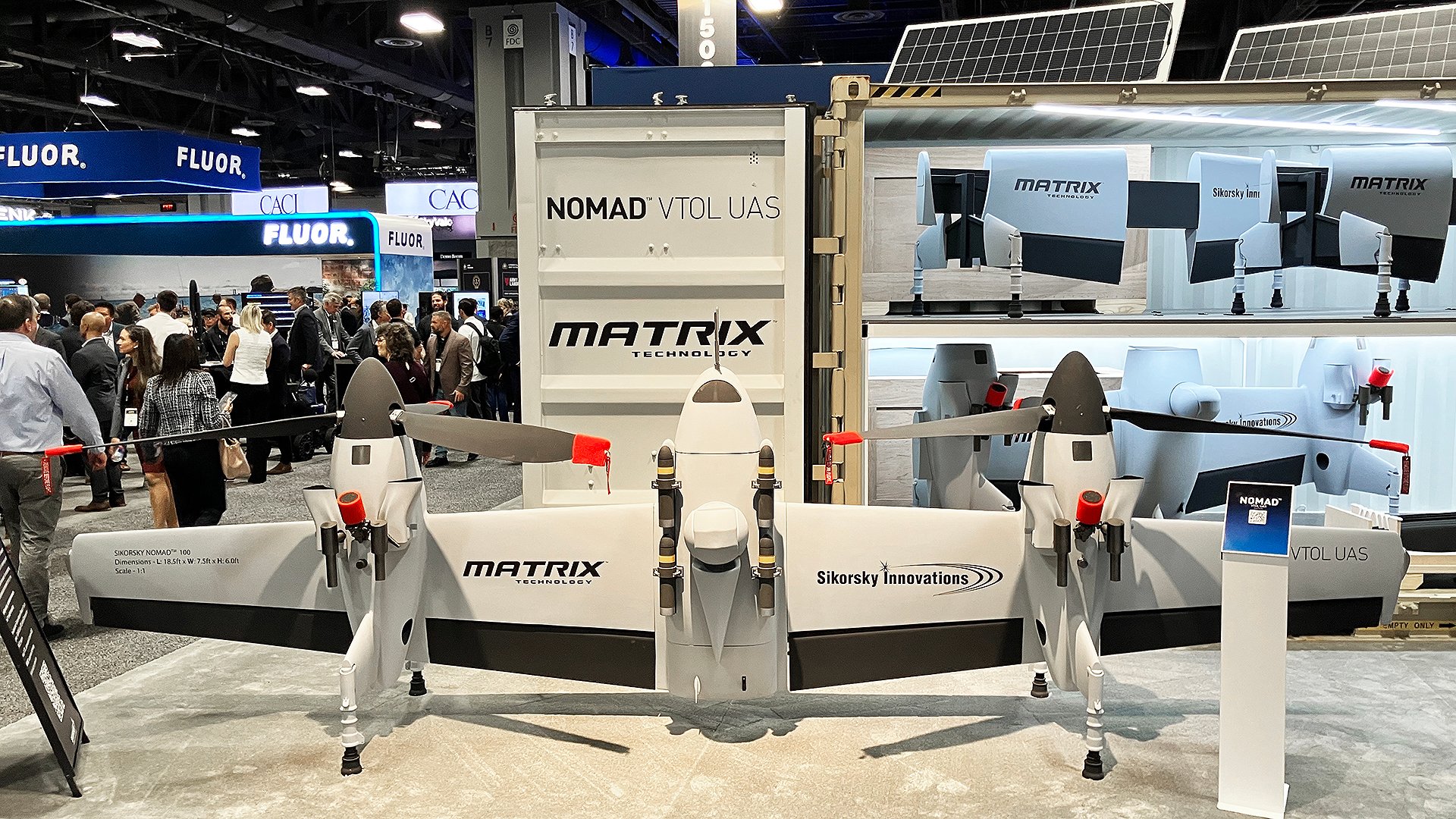
Sikorsky has unveiled the Nomad 100 Fast Pack, a 20-foot container holding four runway-independent drones and their support equipment. The company says the package can establish autonomous air operations at austere locations and be moved quickly as military forces spread across larger operating areas.
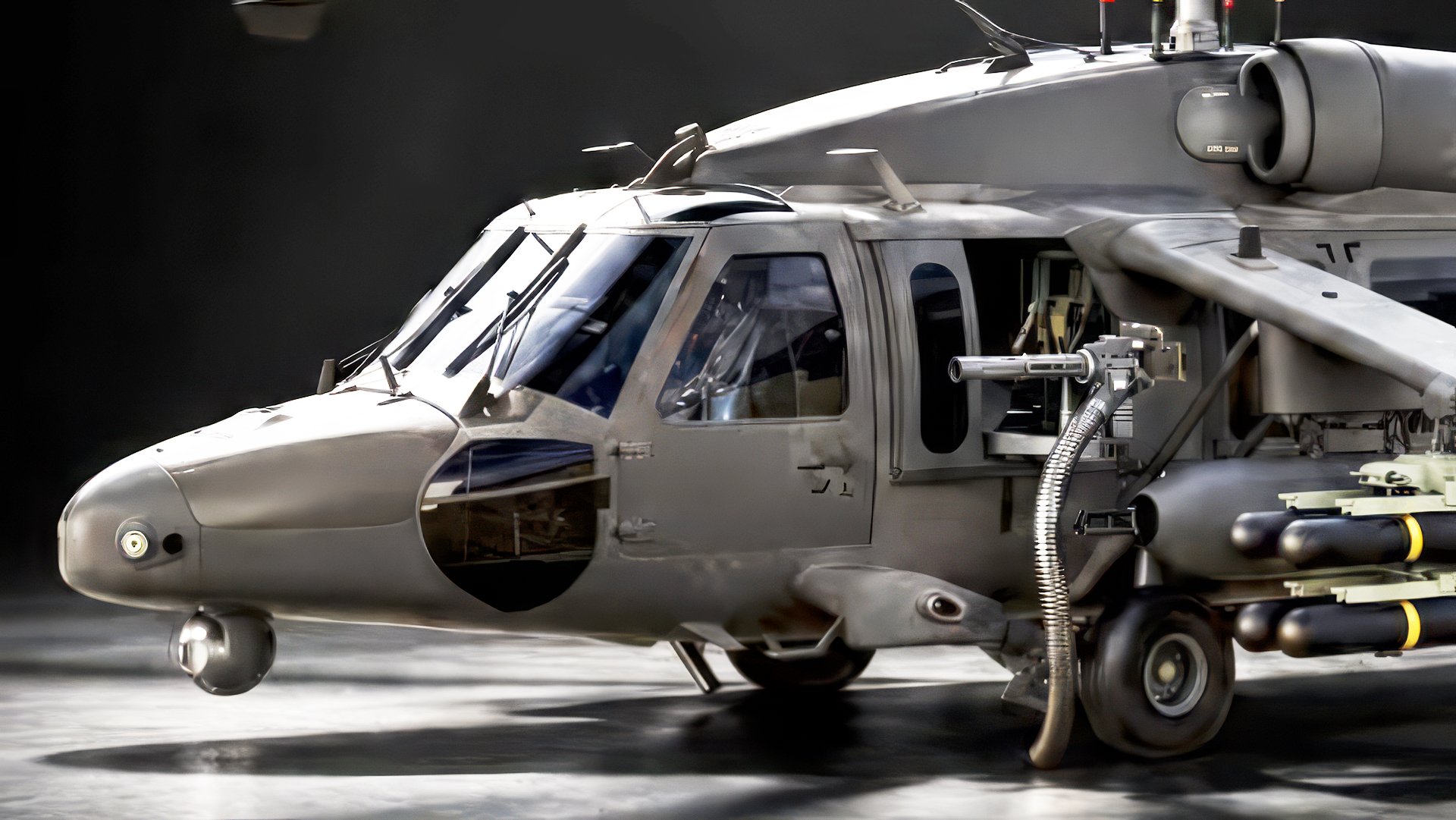
Sikorsky aims to offer a larger, interchangeable nose for new and in-service H-60 helicopters within about a year. The design is intended to let operators reconfigure aircraft for different missions and add equipment, including systems for autonomous flight.
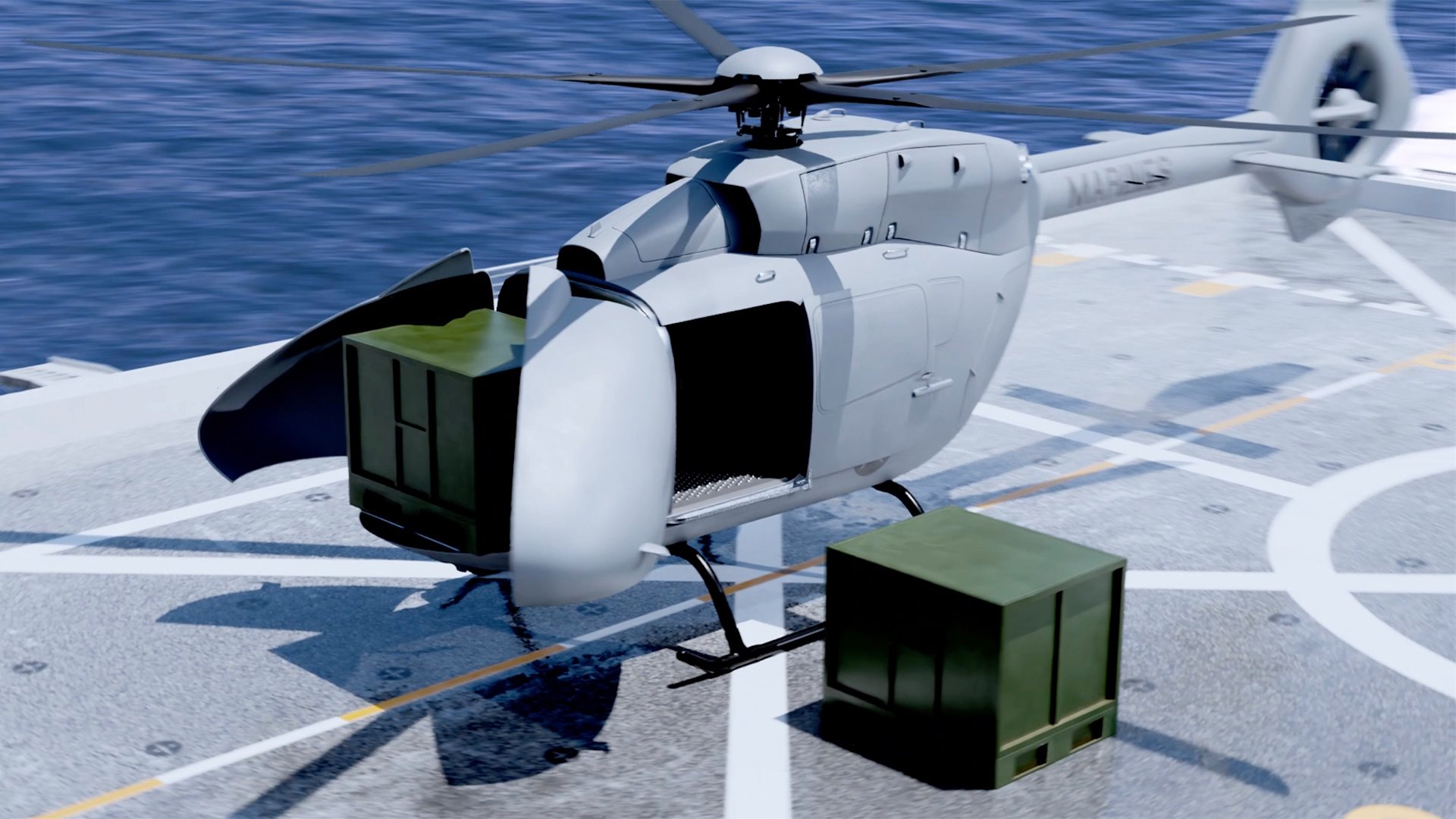
Airbus U.S. Space and Defense is developing an autonomous, uncrewed version of the UH-72B Lakota for logistics missions. Team Lakota Connector is testing the system for the U.S. Marine Corps, with Airbus outlining the programme at AUSA 2026.
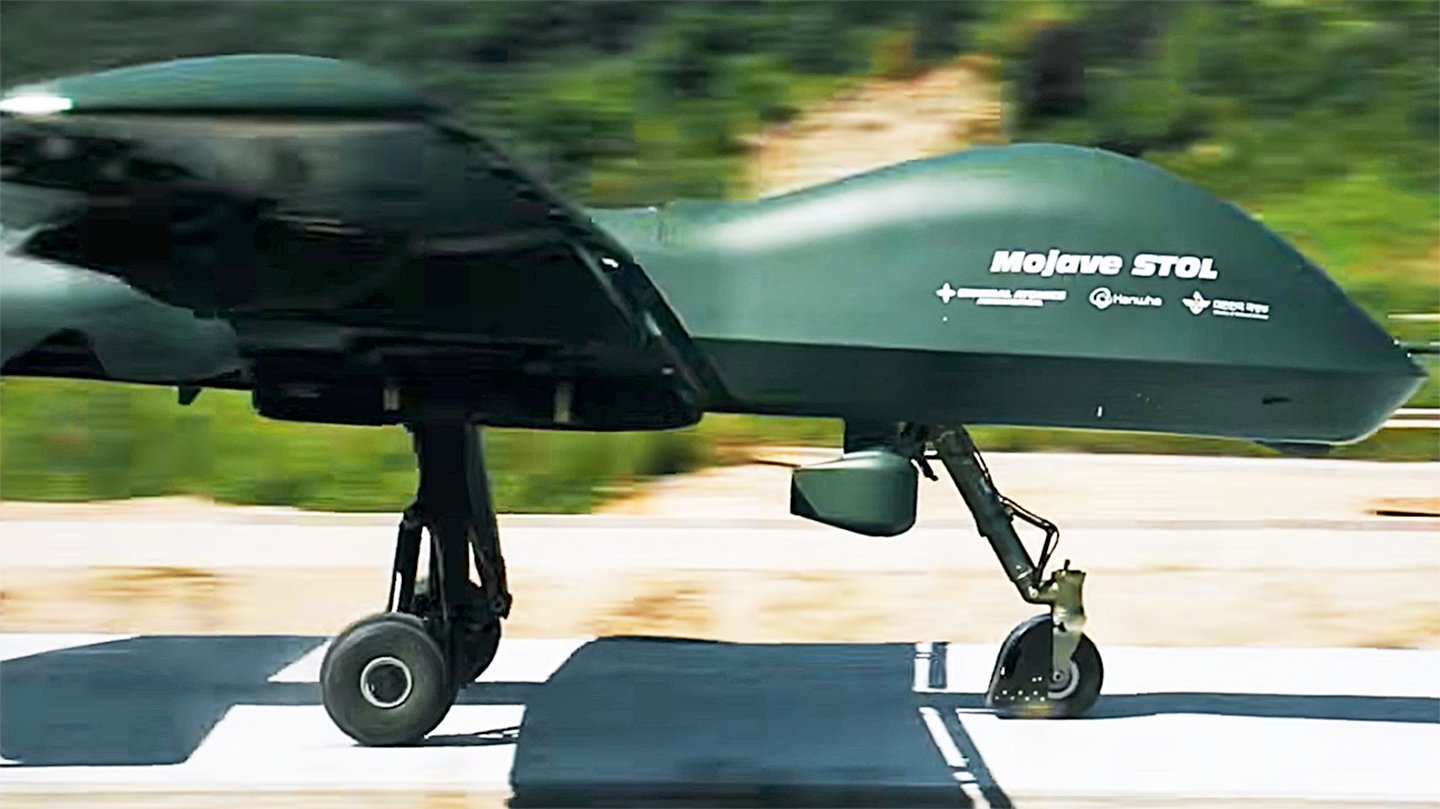
General Atomics Aeronautical Systems and Hanwha Aerospace tested the Mojave drone in a simulated battlefield scenario in South Korea on September 16. The trials included short-runway operations and low-level flying to demonstrate its ability to avoid threats and support ground forces.
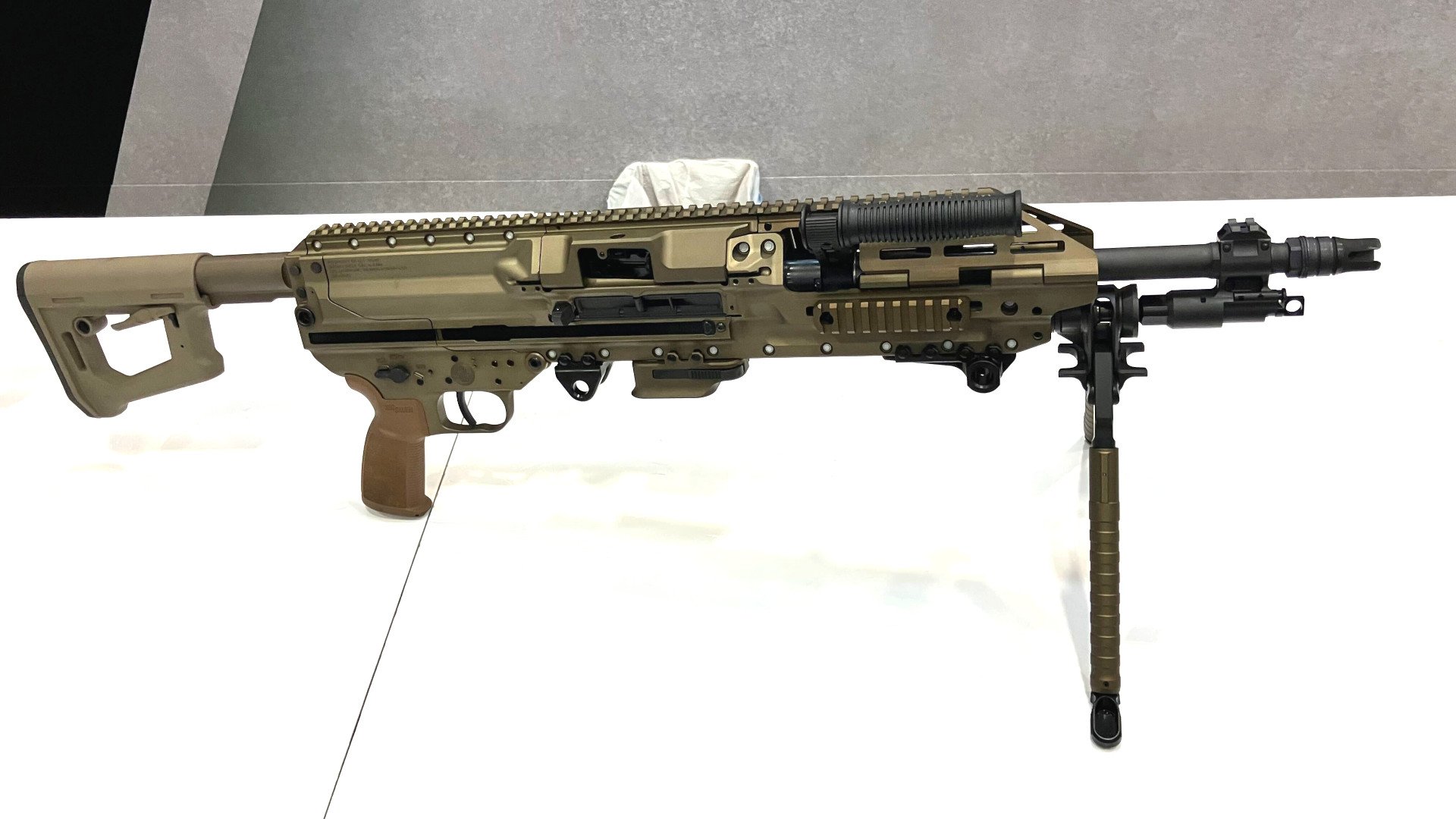
Sig Sauer has revised the Army’s M250 light machine gun as the service gathers feedback during early fielding of its Next Generation Squad Weapons. The M250A1 adds a 13-inch barrel option and changes intended to improve handling, reliability and durability; the Army has not formally adopted the configuration.
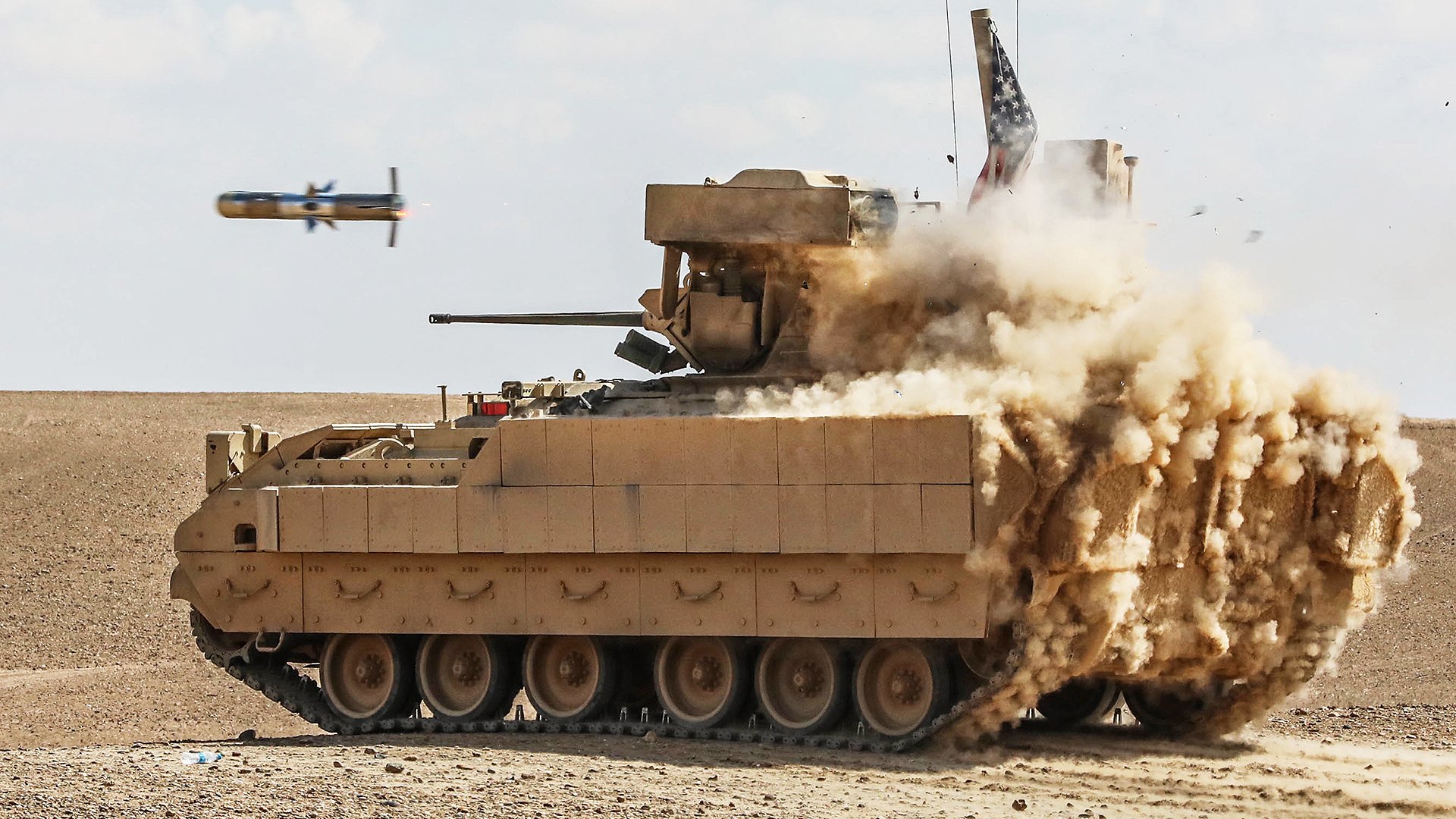
Rafael USA and Leonardo DRS have presented an adapter that would let vehicles with legacy TOW launchers fire Spike LR2 missiles while retaining existing launcher equipment. The system builds on a 2021 demonstration and could add greater range, onboard imaging and flexible engagement options to vehicles such as the Bradley.
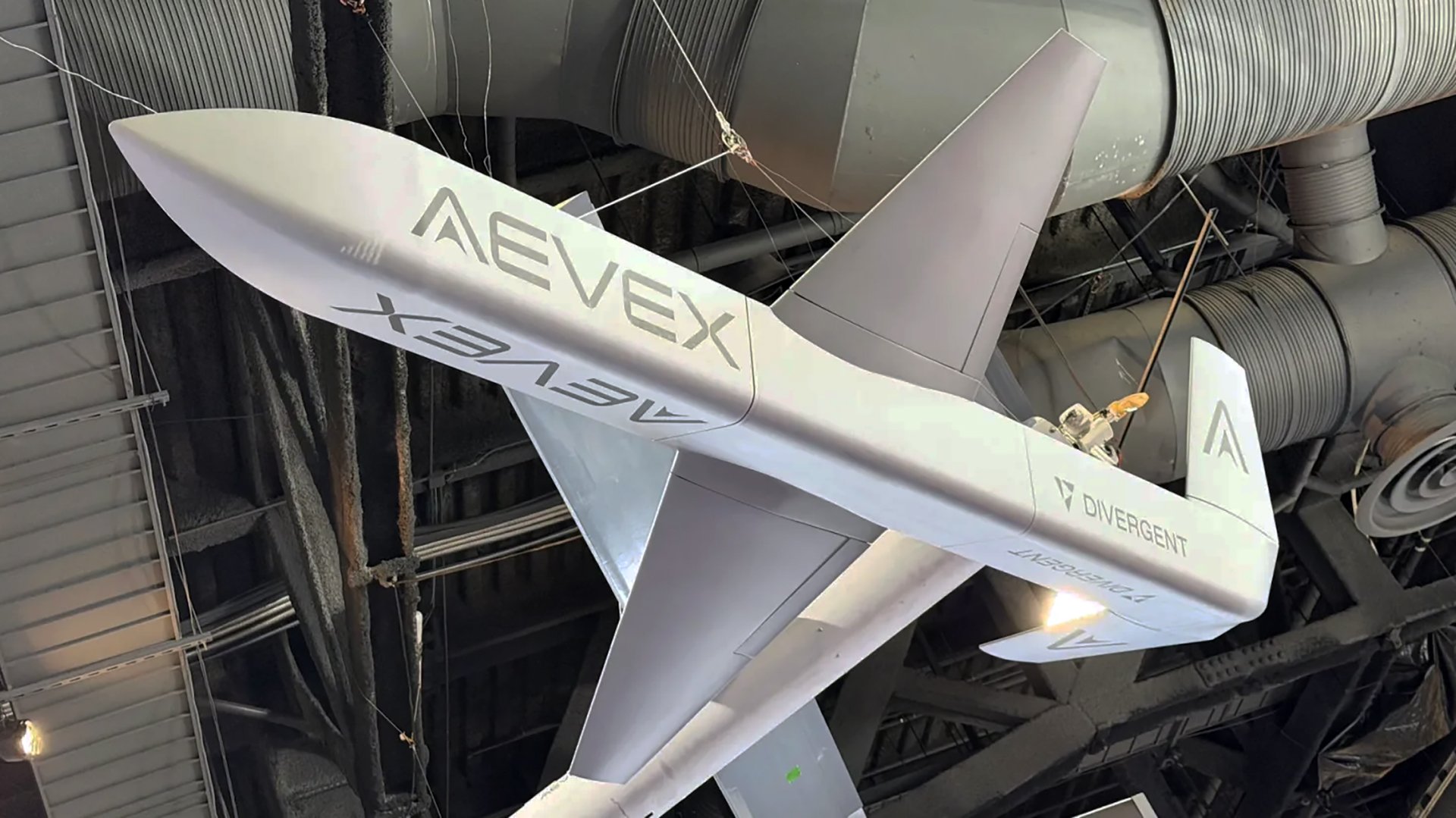
AEVEX publicly displayed its Specter jet-powered drone at the Association of the U.S. Army’s annual meeting in Washington, D.C. The aircraft remains in development, with its first flight planned for December 2026 and ground- and air-launched versions envisioned.
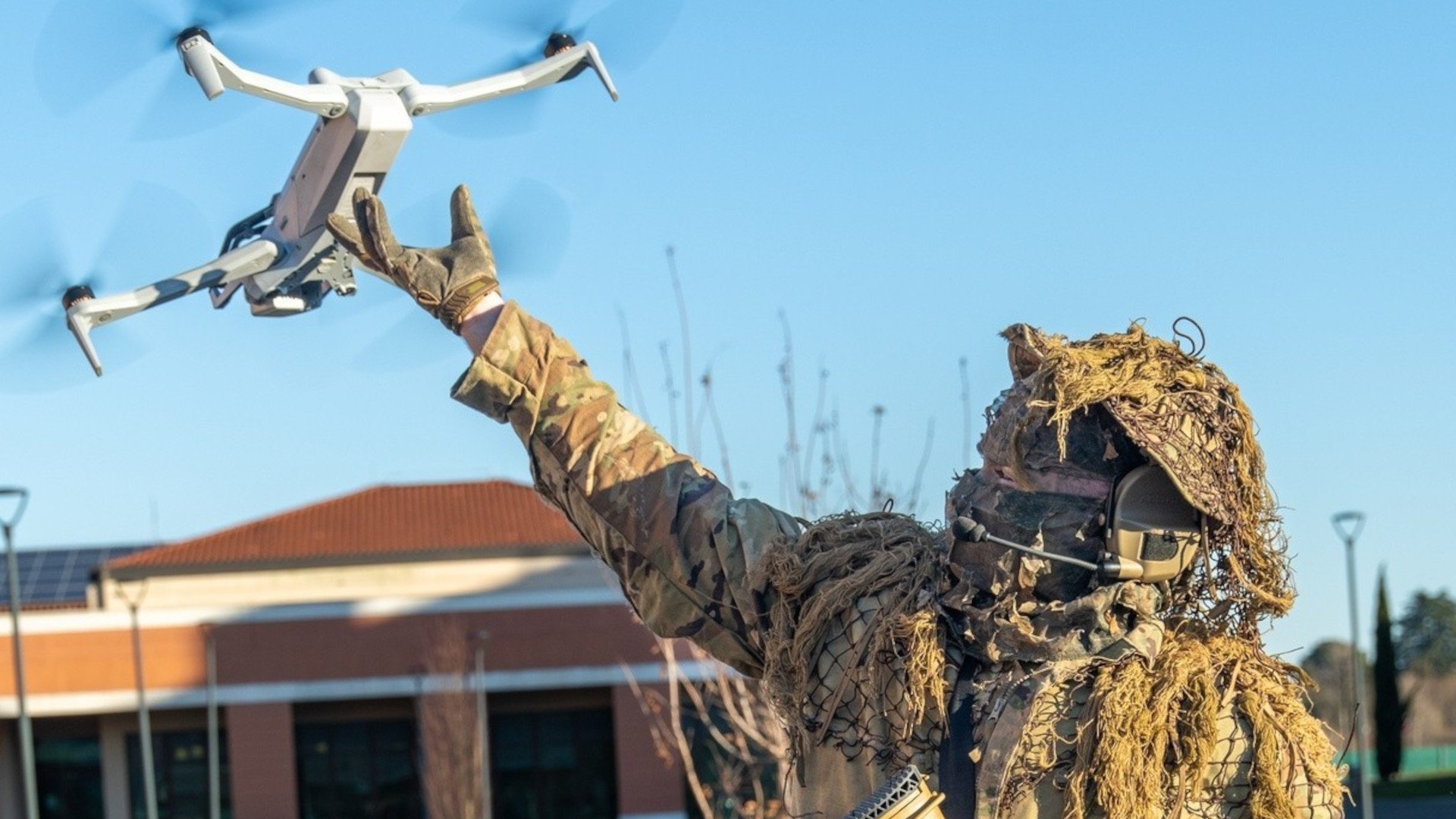
The U.S. Army’s 2nd Cavalry Regiment has spent more than a year testing counter-drone capabilities in Europe through Project Flytrap. Its commander, Col. Timothy Price, described how uncrewed aircraft and ground vehicles could help suppress enemy systems, misdirect defenders and support an advance through modern battlefield obstacles.
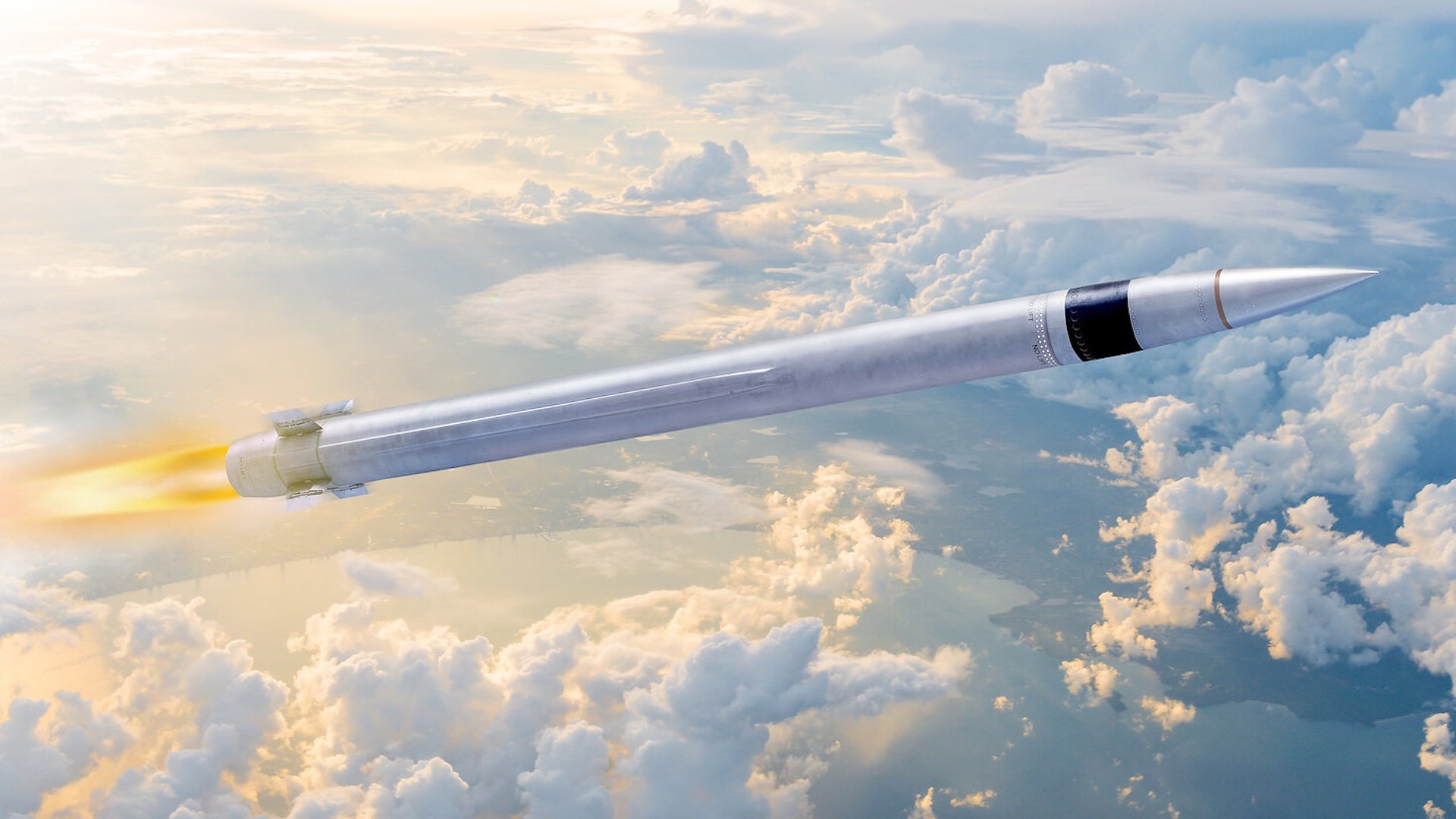
Lockheed Martin has unveiled PAC-3 Edge, a proposed interceptor designed to improve on the PAC-3 MSE against advanced threats. The U.S. Army selected Lockheed and another unnamed competitor to advance in its Future Interceptor program, with testing expected in 2027 and initial deployment targeted for 2031.
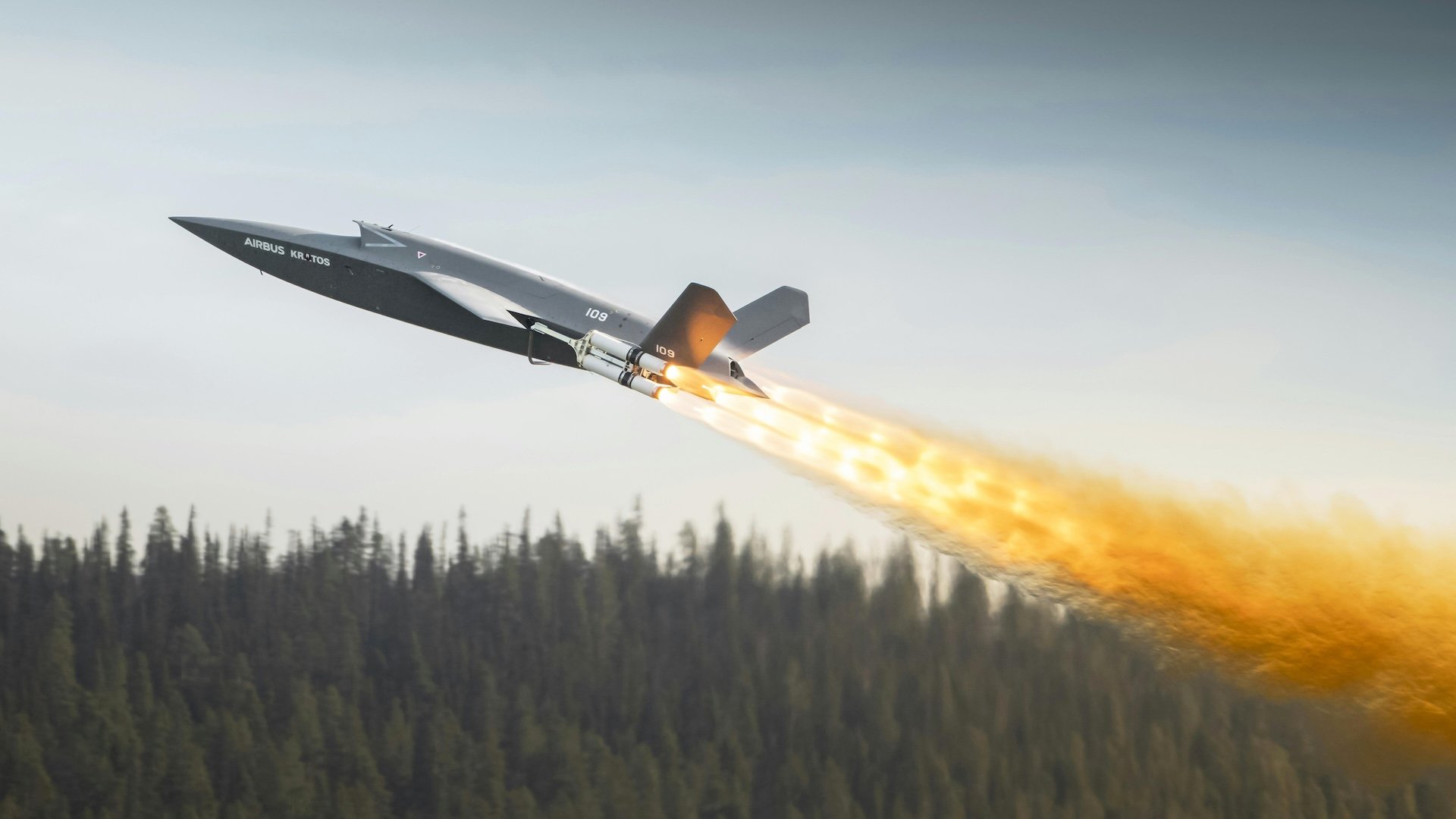
Airbus and Kratos say their Europeanized U740 Valkyrie completed its first flight at a test site in northern Europe, advancing plans to deliver a combat-ready uncrewed aircraft to Germany by 2029. The next phase is to integrate Airbus’ MARS mission system as Germany weighs requirements for a new combat-drone capability.
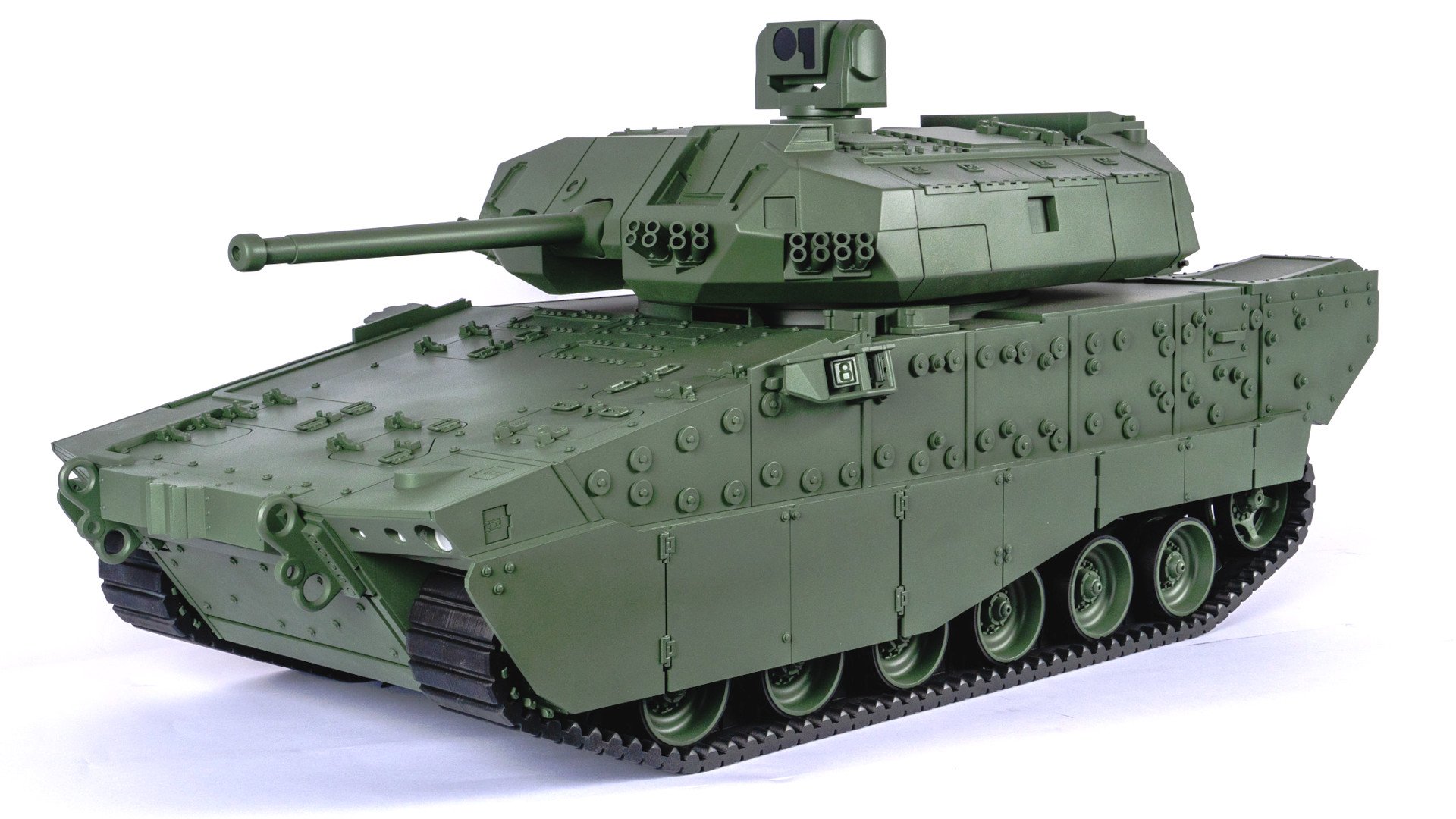
General Dynamics Land Systems has shown a one-eighth-scale model of its Wolf armored fighting vehicle, one of two designs competing for the U.S. Army’s XM30 program. The design builds on the Griffin III and has revised features, including a redesigned turret and hull, while prototypes from both competitors are undergoing Army evaluation.
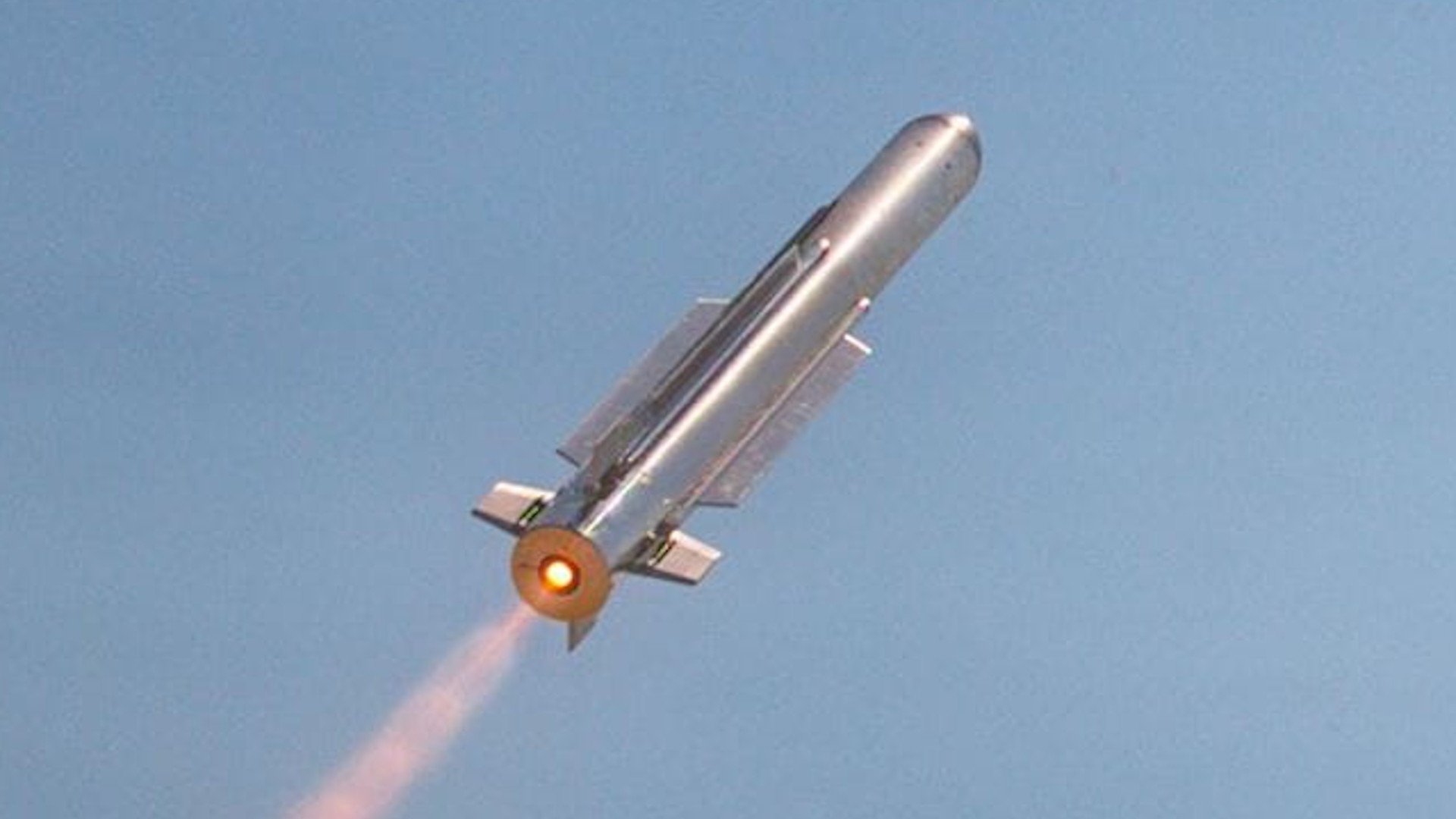
Raytheon has unveiled the Coyote Block 2C+RM, a developing interceptor that replaces the Block 2’s turbojet with a solid rocket motor and adds a new seeker and warhead. The company says it is intended to engage all Group 3 drones, with further tests scheduled for the first half of next year.
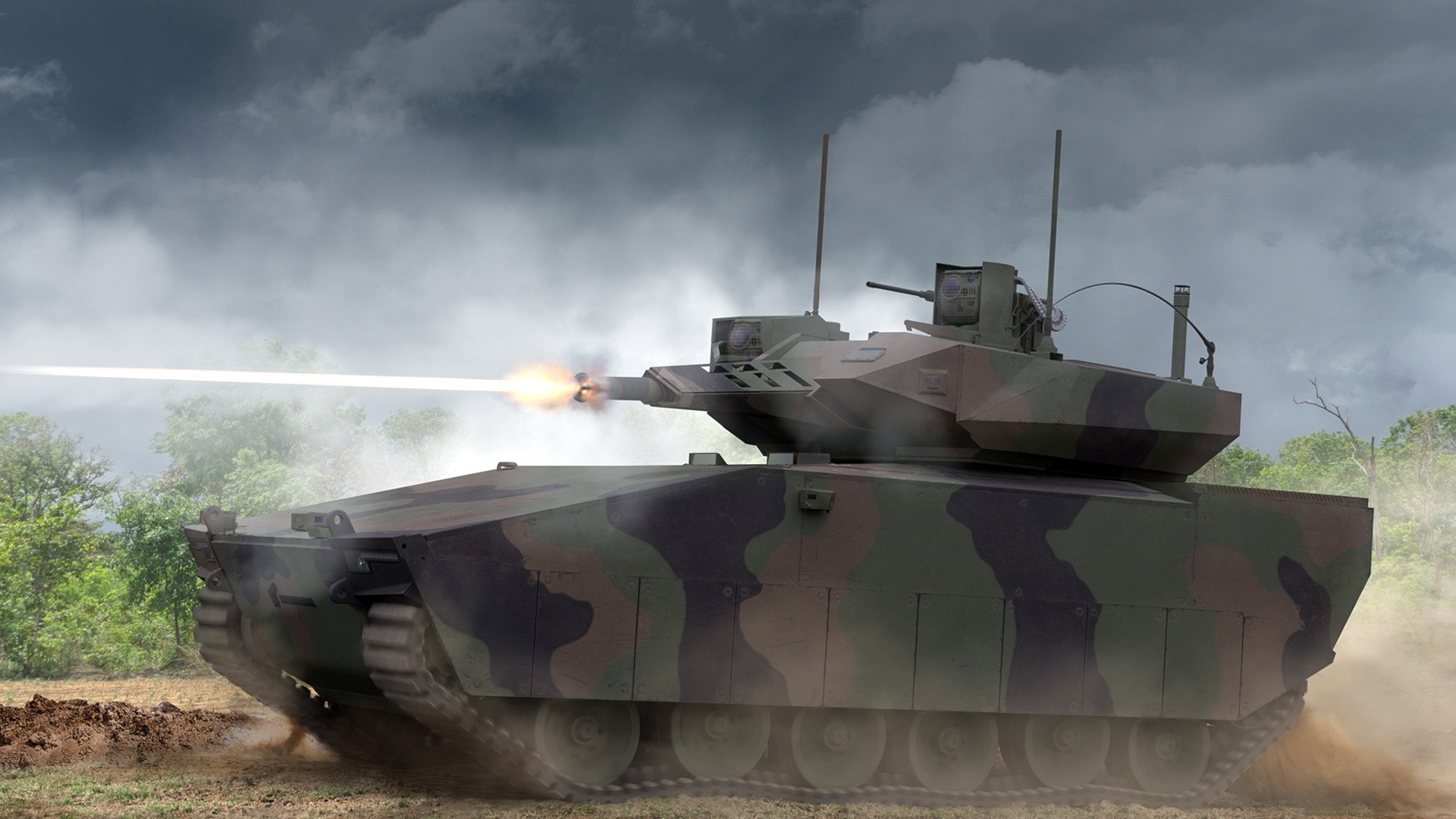
General Dynamics Land Systems and American Rheinmetall have delivered XM30 infantry combat vehicle prototypes for Army testing and soldier evaluation at Fort Hood and other sites under a revised test program. Feedback at Aberdeen Proving Ground has highlighted early performance, crew layout and comfort, while electromagnetic testing is planned for later in the program.