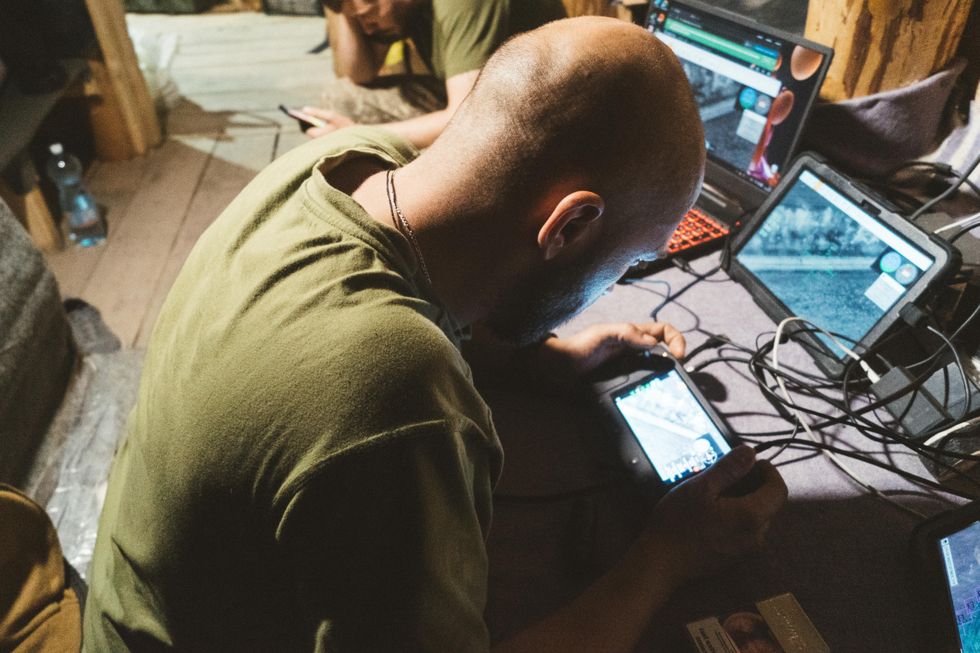
Microsoft, SpaceX, Palantir and PayPal have provided Ukraine with digital services, communications and battlefield technology since Russia’s February 2022 invasion. Their involvement has raised questions about the role of private companies in warfare and the effects on the conflict and their businesses.
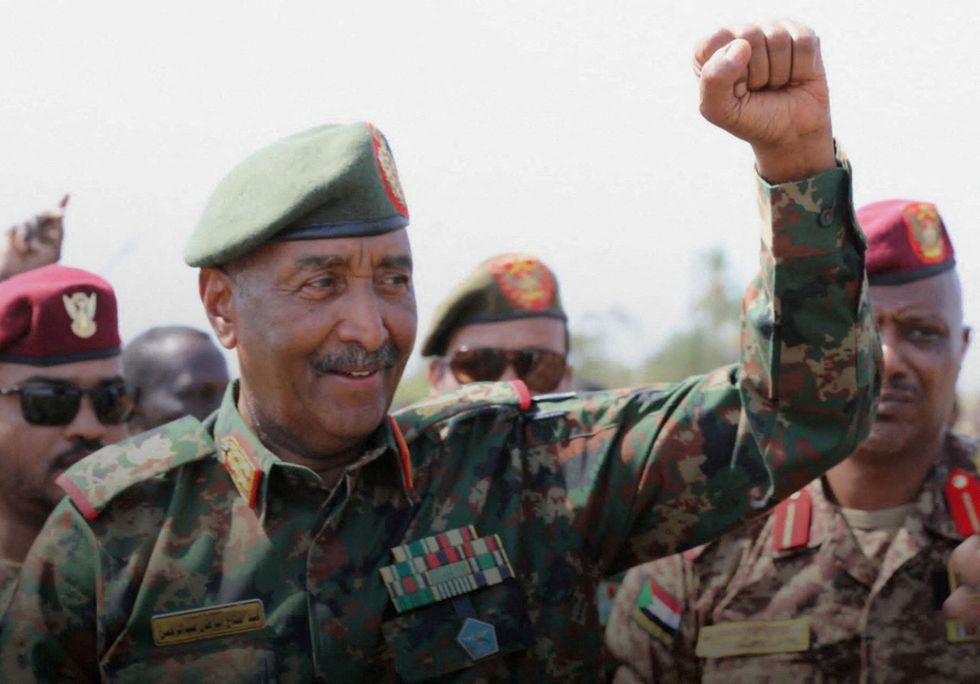
Sudan’s army chief Abdel Fattah Burhan rejected a reported condition linking his U.S. visa to a 90-day ceasefire, as his forces made gains in the war against the Rapid Support Forces. The dispute is unfolding amid U.S. sanctions, a proposed nationwide arms embargo and growing differences among regional powers over how to end the conflict.
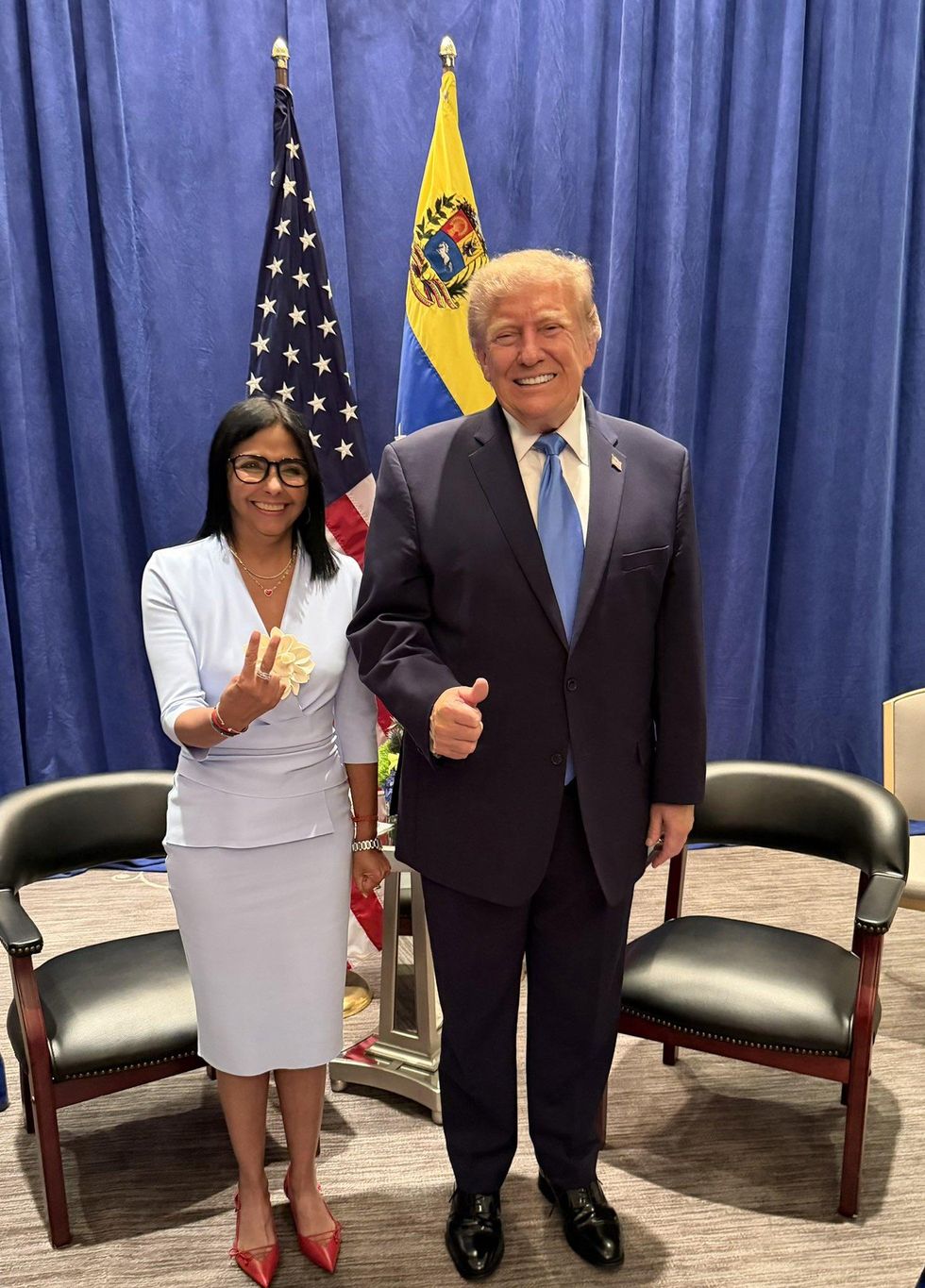
A 1927 U.S. intervention in Nicaragua set off a chain of insurgencies and political upheaval that its architects could not foresee. The historical account argues that today’s U.S. policy toward Venezuela could produce consequences that emerge long after the next election.
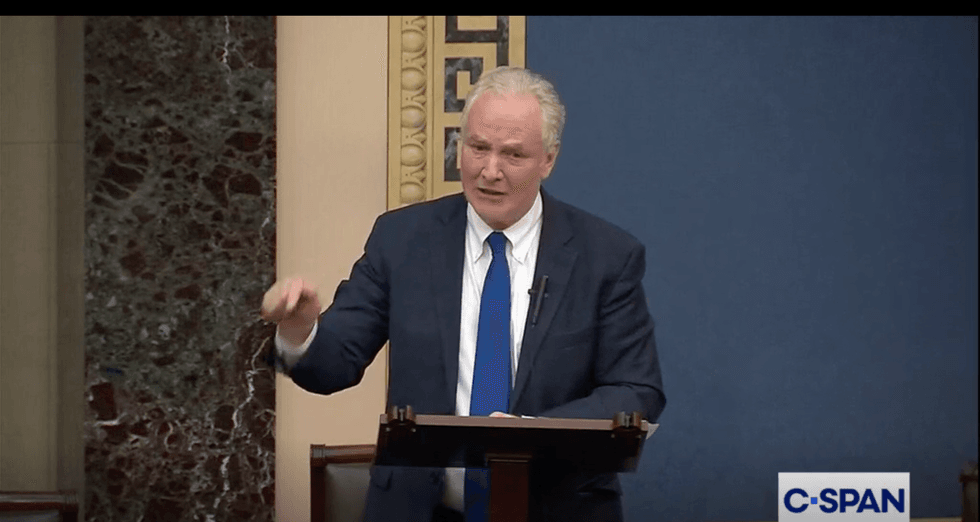
The Senate rejected a resolution that would have required the State Department to report on violence against American citizens and other Israeli human rights violations in the West Bank. All but one Democrat supported advancing it, while Sen. Rand Paul was the only Republican to cross party lines in favour.
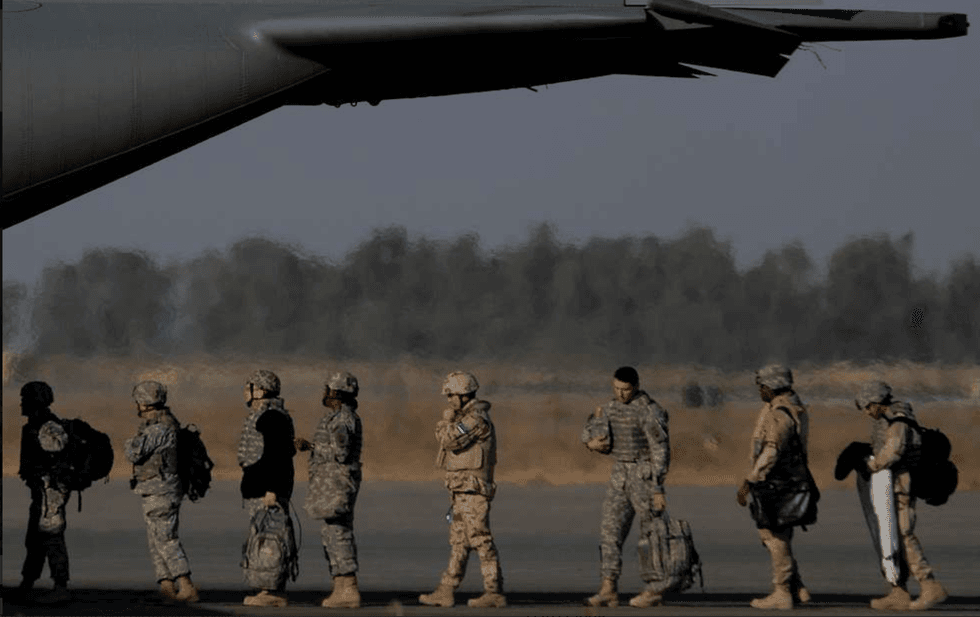
The departure of the last American troops from Iraq has prompted a former Marine who served there to reflect on the war’s human cost, uncertain purpose and enduring consequences. He argues that the experience should inform future decisions about military action.
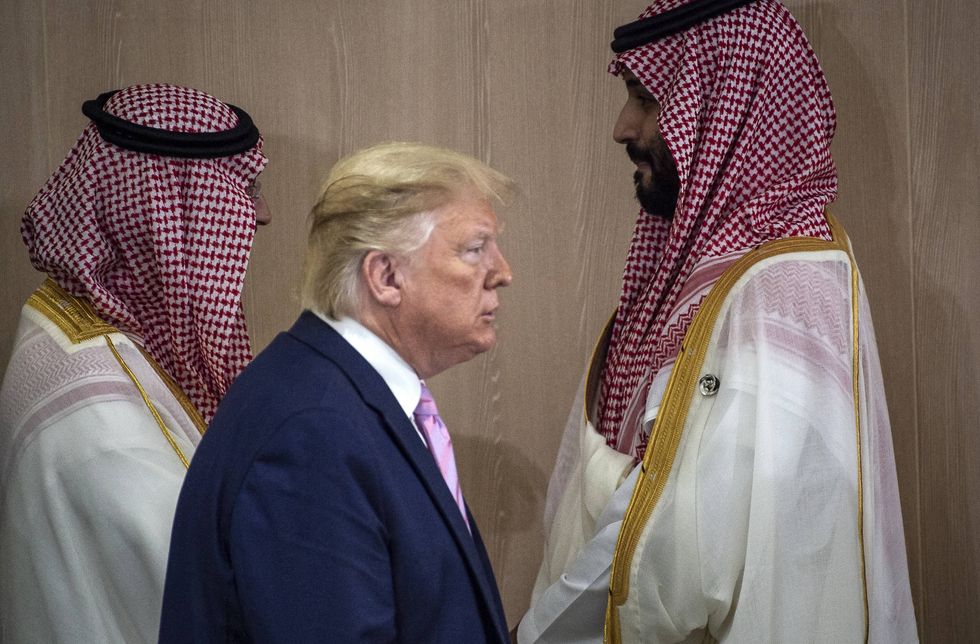
Four Democratic representatives have introduced a resolution to disapprove a 30-year U.S.-Saudi nuclear cooperation agreement, citing the absence of a ban on enrichment and reprocessing and a requirement for broader IAEA inspections. The measure faces a short review window, steep vote hurdles and uncertainty over the political conditions surrounding the deal.