
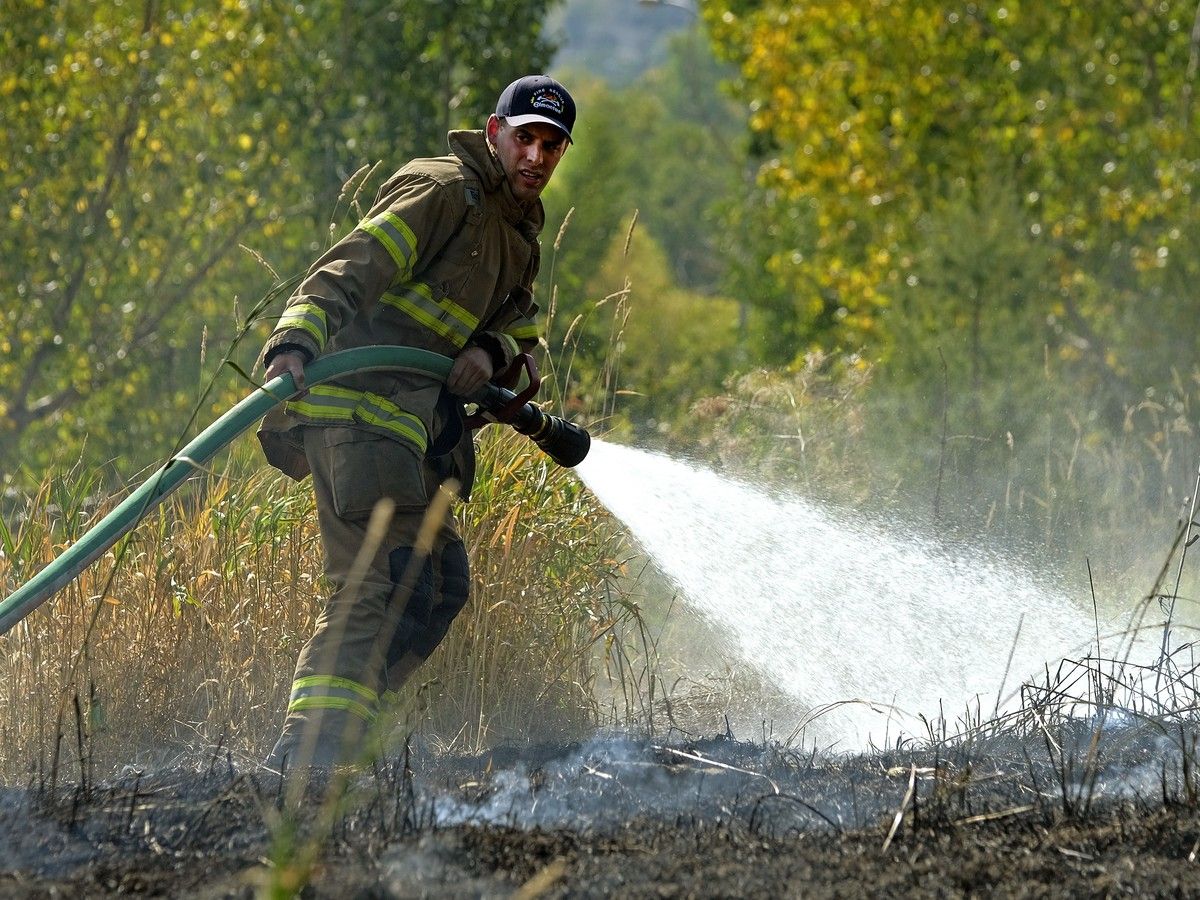
Edmonton has been recognized by the Canadian Association of Fire Chiefs (CAFC) for its practices to reduce wildfire risks where urban areas meet wildland. The city was singled out for a collaborative approach that brings together prevention work, technology and teams from multiple departments to protect communities. Edmonton was among the first major municipalities to put a wildland-urban interface wildfire risk strategy in place.
The strategy focuses on reducing and managing wildfire risks in places including the North Saskatchewan River valley and Edmonton’s ravines. The river valley is the city’s main wildfire corridor and includes more than 7,400 hectares of wildland-urban interface. City crews remove hazardous vegetation and conduct prescribed burns to reduce the amount of fuel available to fires.
Deputy Fire Chief Megan Rogers said in a Monday news release: “Protecting Edmonton’s river valley is a responsibility no single department can carry alone. This award recognizes what we can accomplish when we bring our expertise together, identify risks before emergencies happen and work toward a shared goal of protecting our communities.” The city’s response involves staff in emergency response, environmental planning, parks management and technology.
Edmonton uses semi-autonomous thermal drones during wildland fire season to detect smoke that may not be visible from roads or buildings. A grid of 55 environmental sensors can detect flames within 15 minutes. The city also uses EmberWise, an artificial intelligence forecasting tool that helps officials decide whether local weather conditions warrant fire restrictions or bans.
More than 900 city employees have received emergency social services training to support residents during emergencies and large-scale evacuations, according to the news release. The city also provides free FireSmart programs to help residents reduce wildfire hazards around their homes.
Since 2020, Edmonton has dealt with more than 2,000 grass fires. The reported causes often include discarded cigarettes, all-terrain vehicles, fireworks, improperly maintained fire pits and people disregarding fire bans. Across Alberta, people are responsible for more than 60 per cent of wildfires.
The recognition highlights the city’s combined approach to prevention, early detection and emergency support. Edmonton’s strategy addresses risks in the river valley and ravines while giving officials tools to monitor conditions and make decisions about fire restrictions or bans.
Based on reporting by Edmonton Journal.