
Hundreds of people are wagering on the outcome of Alberta’s Oct. 19 referendum through online prediction markets, despite the province’s prohibition on political betting. Government officials have objected to the activity, while a University of Lethbridge researcher says the platforms are difficult to regulate and that evidence of their effect on voters is limited.
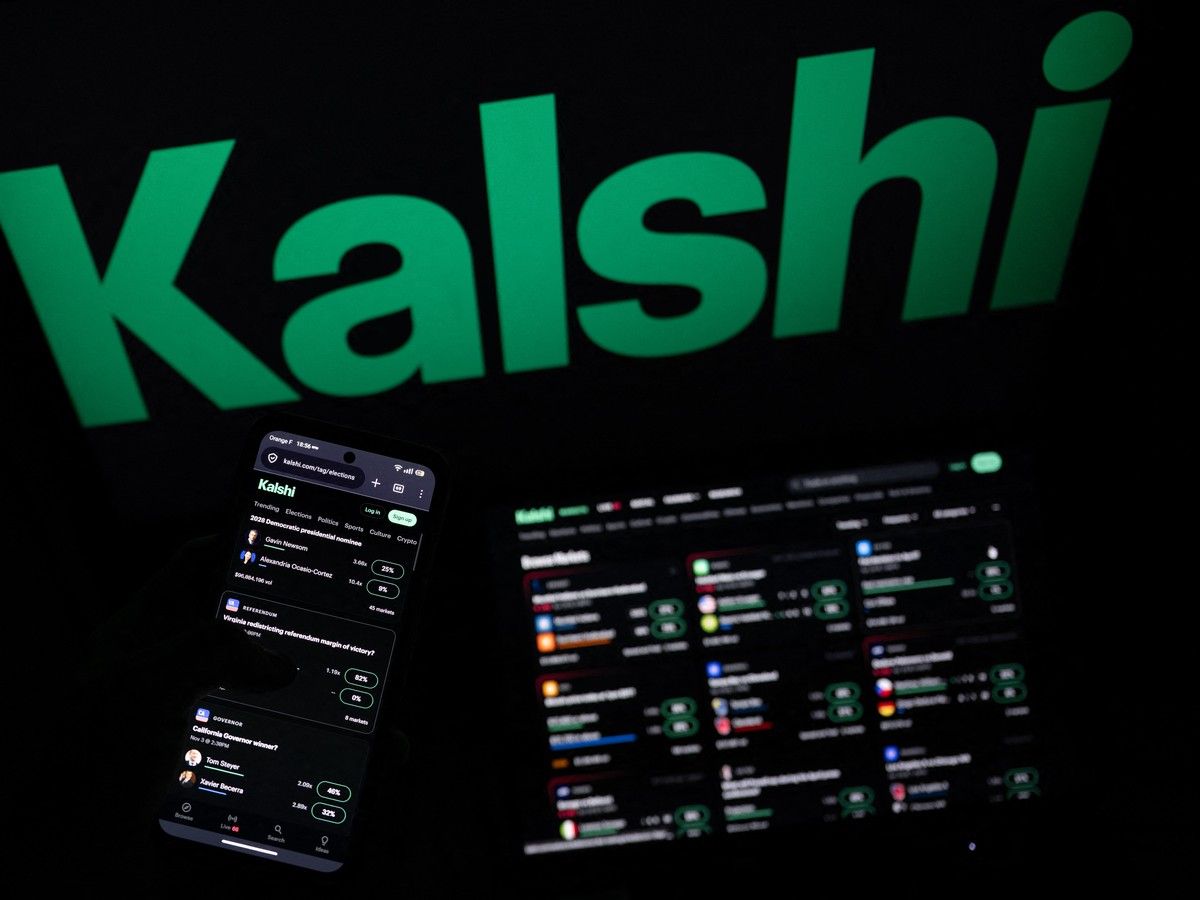
Trading on Alberta separation has appeared over the past year on platforms including Polymarket and Kalshi. A Kalshi market tied to the referendum question on separation has seen activity nearly every day, displaying both odds and trading options. As of Saturday, the option two referendum response had an eight per cent likelihood of passing.
Albertans are not permitted to trade on that Kalshi page. Service Alberta Minister Dale Nally said in a statement to Postmedia: “Betting on political events is prohibited in Alberta because of the risk of manipulation and insider information,” and advised, “Albertans should avoid any site that offers this type of bet at all costs.” Nally said platforms offering wagers that do not intend to follow provincial rules should geoblock Albertans from their sites.
Kalshi and Polymarket have blocked users with Alberta internet protocol addresses from placing wagers, but those restrictions are not impenetrable, said Robert Williams, a gambling researcher and professor at the University of Lethbridge. He said people can find ways around the blocks and can also use other offshore operators. “That someone who really wants to bet on the Alberta election, I think they probably could find some site that allows them to do that,” Williams said.
Williams said insider trading is a concern in prediction markets and can be difficult to detect and prevent. He also described the markets as particularly hard to regulate generally. The platforms differ from conventional gambling websites: users buy simple contracts that pay $1 if an event happens and nothing if it does not. Those contracts can then be traded, with their prices moving between one and 99 cents as the perceived odds change.
Canadian regulators have been working to clarify the line between betting and financial speculation. Williams defines gambling as “staking money or something of material value on an uncertain outcome, in the hopes of gaining additional material goods or money.” The Canadian Securities Administrators and the Canadian Investment Regulatory Organization have outlined boundaries under which trading connected to financial and economic matters is permitted, while trading on sports and entertainment events falls more within gambling.
That framework was reinforced this year when Canadian fintech company Wealthsimple partnered with Kalshi to offer prediction markets in Canada. The arrangement had approval from the Canadian Securities Administrators on the condition that the markets be limited to events related to the economy, financial markets and weather.
Williams said wagering on elections can feel uncomfortable, but he sees little evidence that prediction markets influence election outcomes more than polling does. “That’s been happening for 50 years now - that we have polls in advance of elections. And there’s not a whole lot of evidence that they change behaviour that much,” he said. He added that survey research suggests Canadians who use prediction markets make up a small group.
Those users tend to be more serious gamblers and can include people with gambling problems, Williams said, but he said there is little evidence of a steep increase in the number using the platforms. “There is a bit of moral panic going on,” he said, describing the reaction as typical when a new form of gambling emerges.
Prediction markets may also serve as an information tool. Williams said some research suggests they can be more accurate than polls, in part because people may analyse an outcome more carefully when they have substantial money at stake. Kalshi’s market puts the likelihood of Alberta leaving Canada before the next federal election at 13 per cent.
Related coverage cited by the Edmonton Journal includes a Leger poll finding that a majority of Albertans favour staying in Canada and few intend to change their vote, as well as a report on Alberta counting the cost of a border with Canada as the referendum approaches. The Edmonton Journal article was written by Liam Newbigging, who lists the social handle @liamnewbigging.bsky.social and x.com/nubigin.
The newspaper encouraged readers to bookmark EdmontonJournal.com and EdmontonSun.com and sign up for newsletters. It also promoted digital subscriptions, which provide unlimited access to The Edmonton Journal, Edmonton Sun, National Post and 13 other Canadian news sites.
Based on reporting by Edmonton Journal.