
Edmonton Journal has reported:
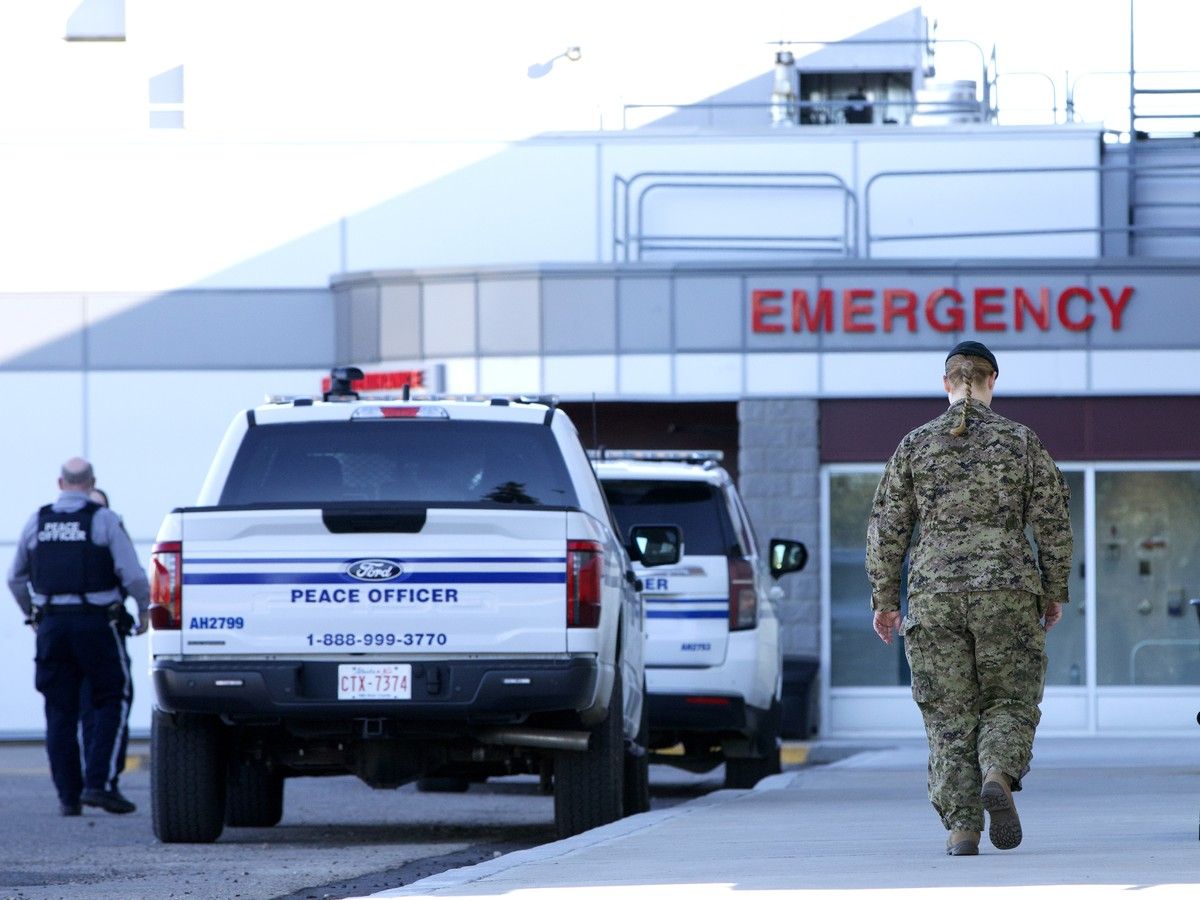
Alberta should prepare for emergencies by keeping food, water and other necessities on hand, emergency physician Dr. Louis Hugo Francescutti says, as countries revise their public preparedness advice and Canada maintains its 72-hour recommendation. He pointed to the recent disaster at Canadian Forces Base Wainwright as a reminder of how quickly an emergency can develop, and said pressures on Alberta’s health system could limit its ability to respond to a much larger event.
Public Safety Canada told Postmedia last week that it has no new guidelines for storing food and water. The federal agency is reiterating the 72-hour recommendation that has been standard across the country for some time, and is similar to the guidance recently adopted in the United Kingdom.
“This recommendation is intended to help Canadians prepare for a broad range of hazards and emergencies that could temporarily disrupt essential services,” Public Safety Canada said.
The United Kingdom launched a campaign last month advising residents to stock at least three days’ worth of food and necessities for an emergency. Japan issued new information in early November advising people to prepare supplies for a week. The changes come as governments consider cybersecurity threats, worsening natural disasters linked to climate change and the possibility of armed conflict.
The federal government was scheduled to provide an update on emergency management in Edmonton on Tuesday afternoon, after a meeting of ministers responsible for preparation. The announcement was expected as Alberta was reflecting on the Wainwright incident and the demands a disaster can place on emergency services.
“I think the Wainwright incident was a kind of wake-up call,” Francescutti said. He is an Edmonton emergency physician and University of Alberta professor who has researched preparedness, including events such as the 2016 Fort McMurray wildfires. He also takes steps to prepare for emergencies himself.
Francescutti described the health-care system’s response to the Wainwright incident as “quite amazing,” but said fewer than 50 casualties, even if they were very seriously injured, represent a low number in the context of natural disasters. If the incident had involved a few hundred people, he doubts the system could have managed it.
He cited Canadian Institute for Health Information data showing Alberta has about 1.5 hospital beds per 1,000 people. The comparable figures he gave were about 12 in Japan, five in France and 3.8 in the United States.
Francescutti said several pressures are compounding the strain on Alberta’s health-care system: high injury rates, low immunization rates, a growing homeless population and staffing problems as some health professionals leave for the private sector. He said those factors would compromise the ability to respond to a major disaster.
“As the system currently stands right now, let’s hope we don’t get tested with, you know, either a natural or a man-made disaster,” he said.
His advice for households is to plan for self-reliance. Not everyone affected by a disaster will need medical care, he said, but people will need to be able to look after themselves and have a plan for what to do, where to go and who to check on.
Food and water are the top priorities, according to Francescutti. He recommends non-perishable foods and calorie-rich canned options such as beans, followed by medication and medical supplies. Toiletries and toilet paper are also needed, though people may not think of them when assembling emergency supplies.
People who may be told to shelter in place should consider access to a generator and a supply of fuel. Francescutti also advises making plans with household members and family who live in the city. Vulnerable people in particular should have a network of people who can check in on them.
“You can’t be in the middle of a disaster, planning for a disaster,” Francescutti said. The advice follows Alberta’s experience with wildfires, floods and tornadoes, disasters that can prompt a rapid emergency response. Related coverage has examined how the health system handled more than three dozen CFB Wainwright casualties, as well as provincial emergency readiness ahead of wildfire season.
The report was written by Liam Newbigging of Postmedia. Readers were encouraged to bookmark EdmontonJournal.com and EdmontonSun.com, sign up for newsletters and support journalism through a digital subscription. Subscribers receive unlimited access to The Edmonton Journal, The Edmonton Sun, the National Post and 13 other Canadian news sites.