
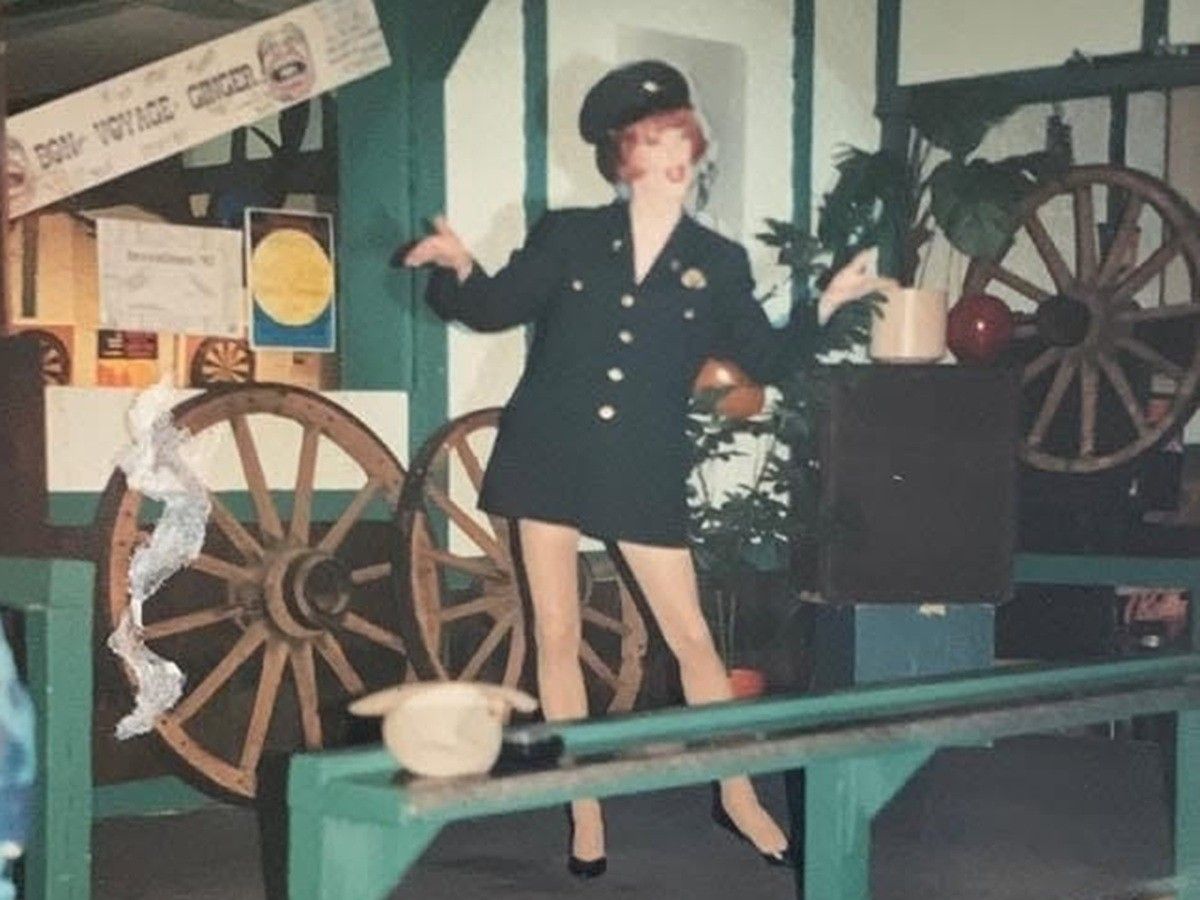
A historian is asking Edmonton to add the Downtown building that housed several of the city’s early gay bars to its inventory of historical resources, as the city introduces a new heritage places strategy. Ron Byers of Rainbow Story Hub has submitted a proposal to preserve the last remaining building associated with one of Edmonton’s original gay bars. He described the effort as a multi-year project and hopes the site can become both a museum of queer history and a support centre for younger LGBTQ2S+ people.
“People in the community have artifacts that need a place to go,” Byers said. “We need a space where we can archive and make stuff available for people to touch and ask questions about. “The more we can make history accessible, the better, especially for young (LGBTQ2S+) people growing up.”
The building’s history as a gathering place for queer Edmontonians began after homosexuality was decriminalized in 1969 by Prime Minister Pierre Trudeau. A few entrepreneurs in the gay community established Club 70 as a place where gay men could drink in peace. The bar soon had to move after its building owner changed the locks, despite a judge ordering him to restore the original locks; the owner somehow avoided complying with the order.
Club 70 relocated to a former automotive shop in the heart of Downtown and operated there for several years. Its “queers only” rules led to conflict with some community members, including patrons who wanted to bring straight female allies but were turned away. The final dispute came when Jean Lawson, a longtime LGBTQ2S+ community supporter known as “Mother Jean,” was refused entry.
Club 70 closed in 1978, and the premises briefly became a lesbian bar called the Cha Cha Club. The business did not last: a group of entrepreneurs bought it in 1979 and reopened it as another gay bar. They named it Boots and Saddle, adopting a western theme that played on the provincial cowboy fetish, and welcomed LGBTQ2S+ patrons as well as their allies.
The site later became home to Boots Blue Room under new ownership. Edmontonians may also remember the Garage Burger Bar, which was connected to the building and became a favourite with burger lovers across the city. Boots and the Garage continued serving beef and beer until closing in 2010. The bar then had a brief return as the Junction.
Mayor Andrew Knack said he supports preserving the building, while warning that Edmonton’s authority and budget could constrain what happens next. The city may not have the capital available in the current budget cycle to add historical buildings to its inventory. Knack also said municipal designation against an owner’s wishes would require compensation tied to the difference between the property’s current value and its maximum and best use.
“The only way the city can designate a heritage property against the owner’s wishes is if we were to pay the owner the difference in what their property is worth today and the maximum and best use - in Downtown, that’s a significantly larger amount,” Knack said. “The province has legal authority to designate a heritage property without paying that amount, but they use that power very sparingly.”
Edmonton city council voted on Sept. 8 to replace its 2009 historic resource management plan with the heritage places strategy. The updated policy is intended to better reflect Indigenous heritage and the contributions to the city’s history made by other underrepresented groups. It sets out six guiding principles, including inclusiveness, integration with other city goals, and ensuring heritage sites are visible and accessible to all Edmontonians.
Based on reporting by Edmonton Journal.