
With Parliament back in session this week, I want to say a bit more about why greater public disclosure in the context of Canada-US and other trade negotiations is important, and why the opposition is pushing for such disclosure. First of all, there is a wide consensus in Parliament that the American administration’s treatment of Canada, in the context of trade negotiations but also more broadly, has been completely unacceptable.
The United States leadership has picked fights with many of its closest friends through the unilateral imposition of tariffs, but has gone even further in targeting Canada specifically by publicly attacking the idea that we are a sovereign country entitled to make our own decisions about our own future. This approach is substantively indefensible and strategically foolish.
But we can hope, in spite of these obvious problems, that eventually our nations will be able to get back to the table and find their way to an agreement. When that happens, both sides will have to make trade-offs. We will have to prioritize our objectives, giving ground in some areas in exchange for ground received in other areas.
Give and take is part of the process, and those responsible for these negotiations will have to choose the preferred areas of “give” and the preferred areas of “take”. Everyone in Canada wants to get a good deal, but different people will have legitimately different ideas about what areas we should prioritize in the pursuit of a good deal.
While there is no argument for selling out our country or for accepting the fullness of what the American administration has proposed, there is room for legitimate discussion and debate about what our priorities should be at the negotiating table. In the context of past and potential future negotiations, it is legitimate for Parliament and for the Canadian people to know what kind of a deal the government is pursuing and what tradeoffs the government is prepared to accept.
We are and we must remain a Parliamentary democracy in which the fundamental decisions of our national life are made by elected legislators. So many of the critical decisions about the shape of our national life are made and altered through trade negotiations. What industries we start, maintain, or lose, but also how we manage our food supply, cultural life, and national security are all things that trade deals can impact.
We need to get this right, and we also need to be able to have real national conversations about the particulars there needs to be transparency, instead of just waiting for the government to show us the finished product. With Parliament finally returning this week, I hope that we will be able to see and really discuss the government’s plans and objectives.
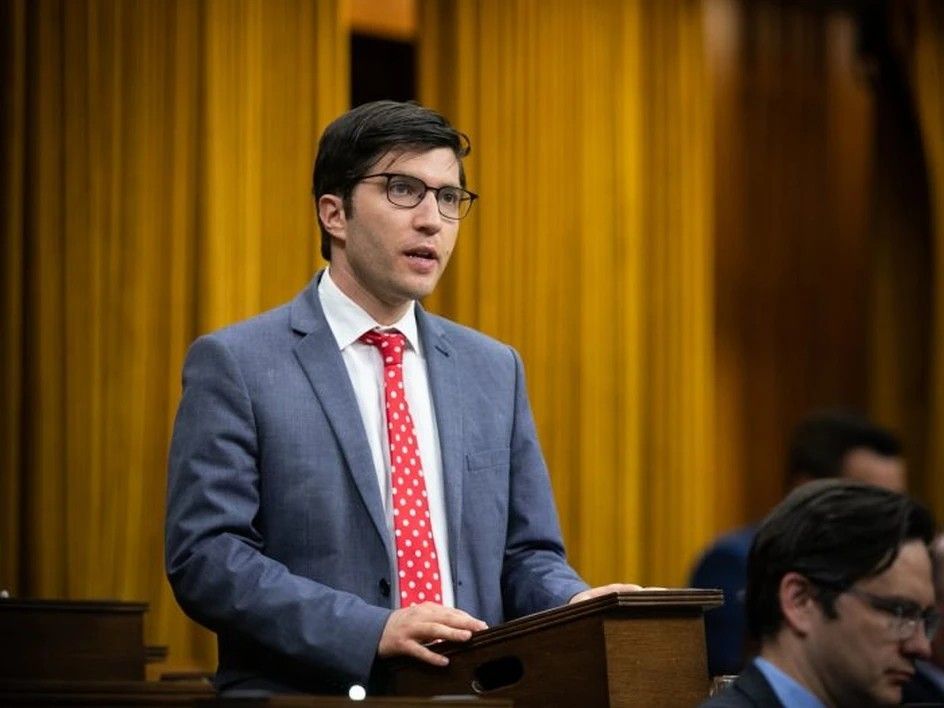
We saw in the spring how Mark Carney tried to neutralize Parliament, but I hope we will be able to return to a better rhythm of collaborative and substantive work, especially during this critical time. Garnett Genuis is the Member of Parliament for Sherwood Park-Fort Saskatchewan. He can be contacted by e-mail at garnett.genuis.c1@parl.gc.ca.
Genuis was re-elected in April 2025.