
Global News Edmonton has reported:
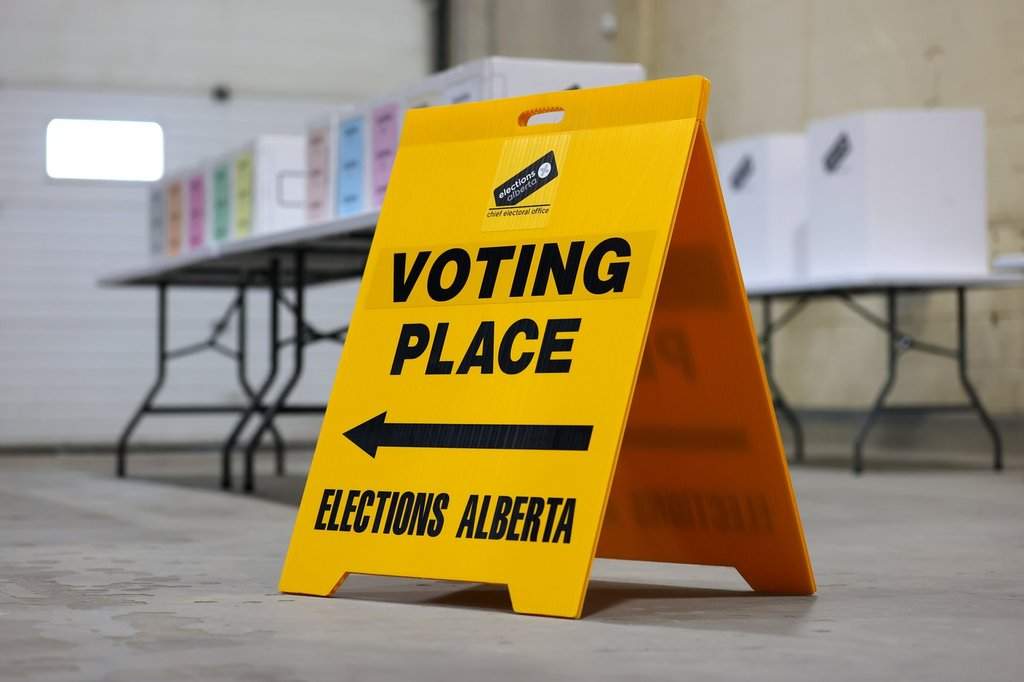
Researchers at McGill University say they have found no significant change in online separatist or anti-separatist discourse linked to Alberta’s upcoming referendum, despite claims that Ukrainian strikes on Russian data centres reduced separatist activity. They warn, however, that online narratives have laid substantial groundwork for challenging the vote’s legitimacy if separatists lose. The referendum will ask Albertans, among other questions, whether they want a binding provincial vote on independence from Canada.
The McGill Media Ecosystem Observatory (MEO) has been monitoring online discussion about the referendum. Concerns about foreign interference have accompanied claims circulating last week that Ukrainian attacks on Russian data centres had reduced the number of online separatist accounts, suggesting those accounts were inauthentic bots. The researchers found no evidence that the alleged change in Russian traffic affected either side’s online voices.
Aengus Bridgman, one of the researchers, said the viral claims reveal how tense the debate has become. “The (separatist) movement, as a whole, is very active online, it has this disproportionate footprint, that people look at it and think ‘this feels inauthentic … how is support in this province low for this movement, but their online presence is so big?’” Bridgman said in an interview. “And the answer that has really been reached for in the national discourse is that there is large, inauthentic activity driving this.”
Bridgman said the MEO has not observed that kind of inauthentic activity driving separatist discussion. Instead, he described a highly passionate Alberta community that is very active online and supports separatism. Its strong online presence can make the cause appear larger than it is in terms of voting power.
That imbalance can also shape separatists’ own view of public support, Bridgman said. Some have come to believe that their online information environment and the events they attend online represent a broad swath of “Middle Alberta.” He pointed to online separatists seeing a poll of thousands of people on X.com that showed 80 per cent support for independence, then struggling to reconcile it with professional polling that almost universally shows the opposite when it asks people eligible to vote in the referendum.
“You have all political communities feeling like the other one is inauthentic, or is dishonest, or is cheating,” Bridgman said. The competing perceptions add to concerns about whether the result will be accepted, particularly if the separatist side loses.
Federal politicians, including Prime Minister Mark Carney and Conservative Leader Pierre Poilievre, travelled to Alberta this week to support pro-Canada campaigns that have opposed separatists for months. National polling has consistently indicated that separatists are significantly outnumbered. An Ipsos poll conducted for Global News in mid-September found that seven out of 10 Albertans intended to vote against holding a separation referendum.
Bridgman said the potential challenge to the outcome is part of a pattern seen around elections, but that the number of people involved is the largest researchers have seen and the groundwork has emerged earlier. “This is now normal, we see this in every electoral event … but this is the largest number we’ve seen, and it’s happening earlier,” he said.
He said trust in electoral administration agencies has been declining among the political right, while in Alberta the decline crosses the political spectrum. The referendum vote is scheduled for Oct. 20, and Bridgman said rebuilding trust will require work afterward. “It doesn’t feel like a great moment, and I think those in Alberta are really feeling it,” he said. “And I think part of the frustration with this whole process … is reflective of (it) not feeling as legitimate or as clear as we would like. That’s something that, on Oct. 20, there’s going to have to be a rebuilding of that trust, and some real work to do that.”