
CTV News Edmonton has reported:
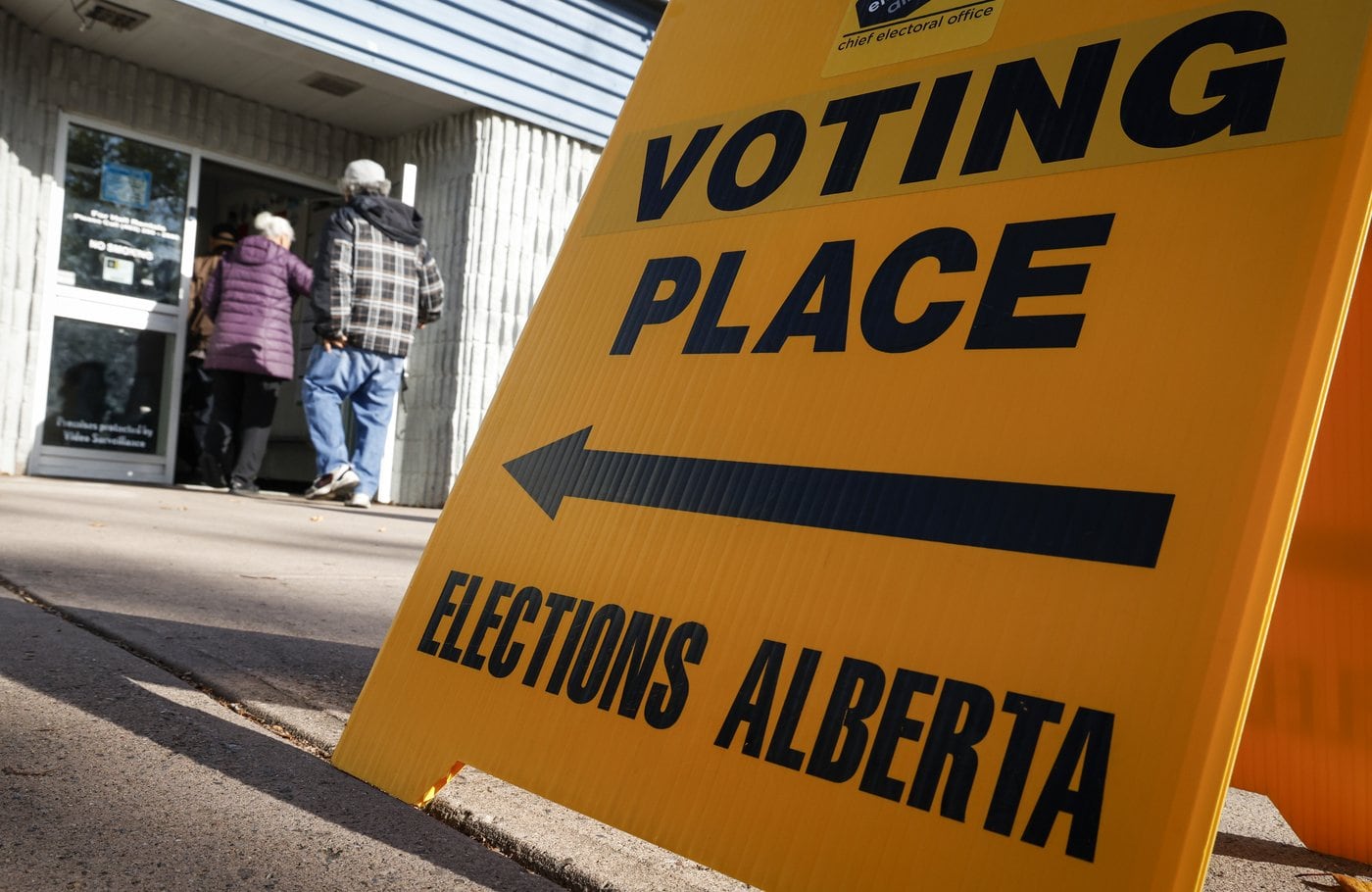
Many Alberta business leaders have kept silent ahead of Monday’s provincial referendum, a decision York University governance, law and ethics professor Richard Leblanc says is consistent with a Canadian tradition of CEOs avoiding political positions that could alienate shareholders or employees. The vote has 10 questions: one asks whether Alberta should remain in Canada or move toward a binding separation referendum, five concern immigration and four address constitutional matters.
More than 70 people signed an open letter from the Calgary Chamber of Commerce warning of the economic fallout of separation. A handful of leaders from large publicly traded companies are among the signatories, while senior executives at many prominent firms have not stated their positions publicly.
Some executives have weighed in. Imperial Oil’s John Whelan has supported Alberta and Canada staying together, while Atco Ltd.’s Nancy Southern has warned that a split would cause disruption.
“It’s hardly surprising that a majority of CEOs are not speaking up,” Leblanc said. “There’s more to be lost than gained, generally, by speaking up about a political matter.” He said a company’s board may sometimes agree that its CEO should speak publicly on an issue affecting the business’s well-being, which Alberta taking steps toward a potential split from Canada could do.
Some corporate boards include former prime ministers, premiers and cabinet ministers who can advise on whether and how to address political issues, Leblanc said. Atco’s board includes former Alberta premier Jason Kenney, a fervent advocate for the province staying in Confederation, and former federal cabinet minister Rona Ambrose.
Leblanc said customers and employees may have “legitimate expectations” that a CEO take a public position on an issue that could affect the business. Getting board approval for a message can be difficult, he said, and executives must weigh the consequences of speaking against those of remaining silent.
“Sometimes the risk of not doing something can be far greater than doing something and dealing with the blowback.”
The Canadian Press first published the report on Oct. 15, 2026. It was written by Lauren Krugel.