
Edmonton Journal has reported:
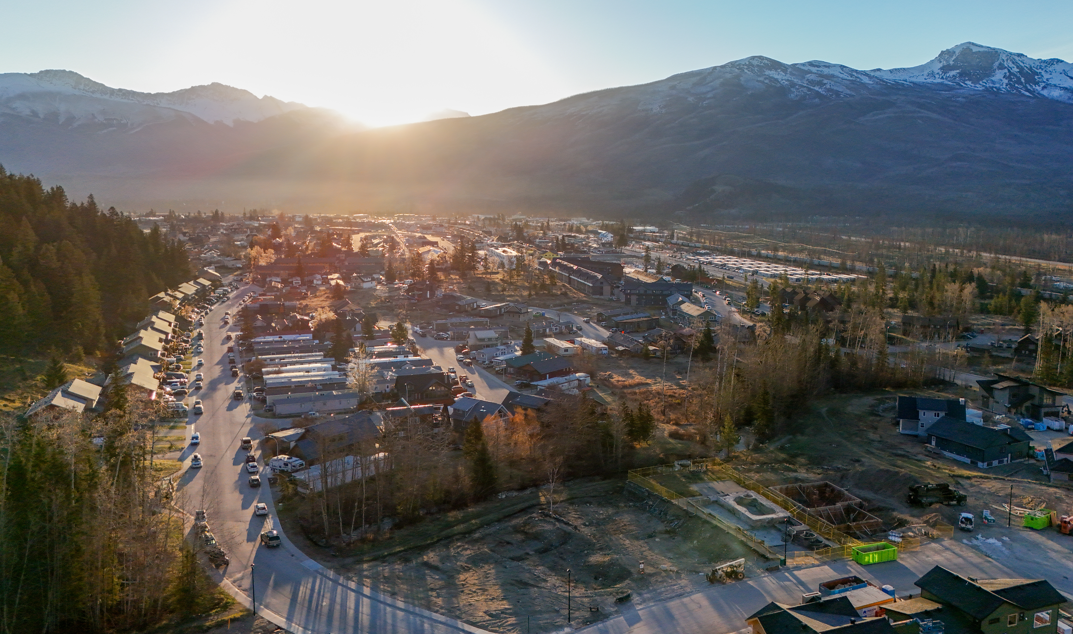
Jasper’s recovery from the July 2024 wildfires is continuing on two fronts: rebuilding homes and repairing municipal infrastructure beneath the town’s streets. Two years after the disaster, the work includes restoring systems that residents rarely see, alongside efforts to bring back tourists and international visitors.
Douglas Olthof, the Municipality of Jasper’s director of recovery, told Postmedia that repairing those systems is among the recovery’s most complicated challenges. They include wastewater and electrical infrastructure, drainage, debris removal, and the networks linking homes and businesses. Jasper did not lose its water treatment plant, though Olthof said the fire came “dangerously” close.
The municipality is replacing damaged curb stops and shut-off valves one neighbourhood at a time. Crews are also using cameras to inspect storm drains, look for debris and confirm that drainage remains operational. The inspections have highlighted the complexity of maintaining infrastructure that was built and changed incrementally over many decades.
“Until something like this happens, you don’t really think about it,” Olthof said of the municipal systems people rarely see. He also described Jasper’s development as a mix of new and established areas: “Jasper is not a greenfield development,” he said. “It’s a blend of greenfield and infill development.”
Because infrastructure has been added and altered over many years, recovery work has raised questions about who owns particular systems, who is responsible for them and how repairs should be coordinated. Olthof said the recovery offers a chance to consider long-term needs, while the municipality must also restore existing systems and get residents back home. Almost 100 sites remain active in the recovery process.
“It’s this delicate dance of having the best possible plan, but managing what’s already existing,” he said. Asked how the overall recovery was progressing, Olthof said: “It’s about where we hoped to be two years ago, and going as well as could be expected.”
Jasper became the first fire-affected community in Canada to use property-specific soil testing to show that residential sites were not contaminated by combustion. Olthof said the approach involved extra steps and costs, but could give other communities facing similar disasters an example to follow. Some testing costs were covered by funding Parks Canada made available through the Canadian Red Cross, helping with expenses tied to the process.
“Out of a disaster, a chance to be a national example and leader,” Olthof said. The testing process added work to the recovery, while its results helped address whether residential properties could be rebuilt without contamination from the fire.
Housing remains a major priority because most of the buildings destroyed in the wildfire were residential. Reconstruction is focused on restoring that housing supply, and one major apartment building recently received occupancy approval. It adds 45 front doors to Jasper’s housing stock.
Commercial rebuilding is following a different timeline from residential recovery, Olthof said. Some of the largest commercial losses occurred in the industrial area, and projects can take longer to rebuild because of different insurance arrangements and other challenges. The source did not give a specific timeline for those commercial projects.
On September 1, the federal government, the Alberta government and the Town of Jasper announced more than $7.9 million to recommission an existing wastewater lagoon. The funding is intended to improve wastewater storage capacity during peak flows and reduce the risk of overflows during power outages, maintenance or other disruptions.
The municipality is also asking residents to help shape Jasper’s future through a new Town Plan. A public survey running this fall seeks views on community values, planning priorities and preferences. The plan will replace the 2011 Jasper Community Sustainability Plan and guide decisions about housing, transportation, parks, community services, tourism and future development.
Residents can complete the online survey and learn more at engagejasper.ca/town-plan. The survey closes October 25.