
Responsible Statecraft has reported:
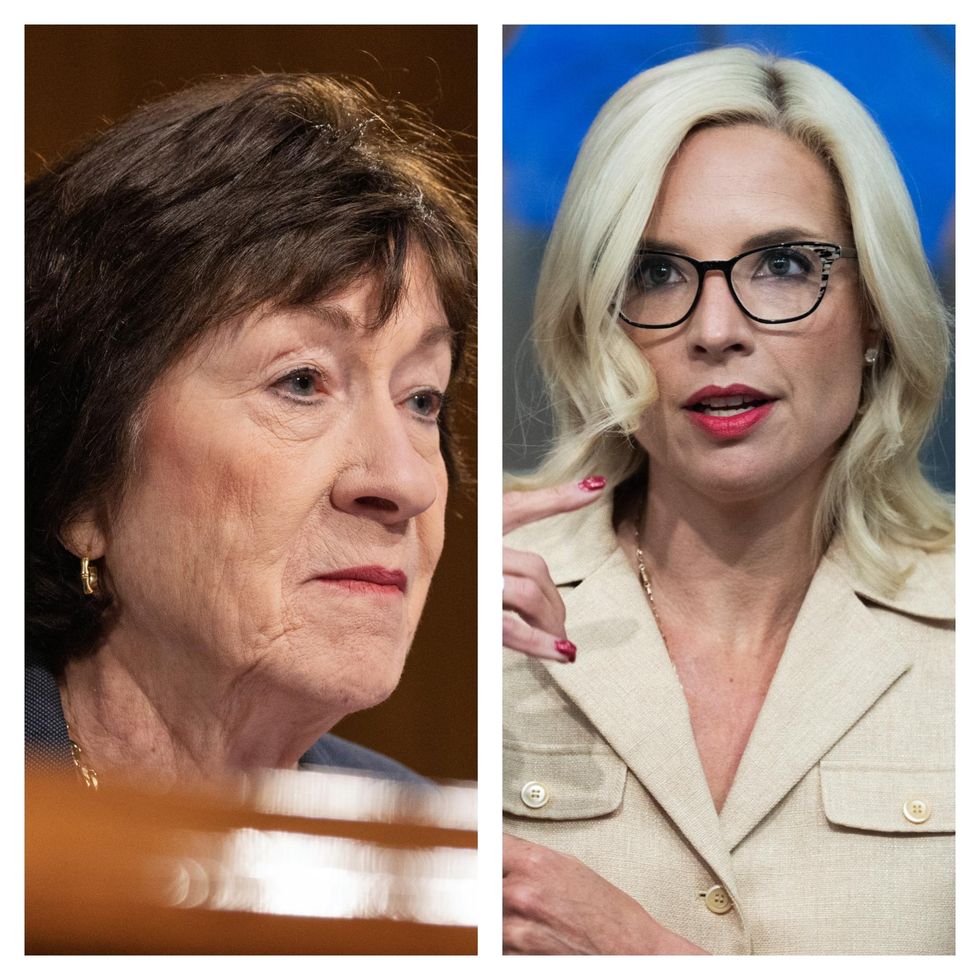
Republican Senate candidates in Iowa and Maine faced questions Tuesday about what they would do to end the Iran war, as its economic fallout and Congress’s role in constraining the conflict became points of debate. Both candidates have sought to distance themselves from aspects of the war while resisting or explaining votes on measures that could limit President Donald Trump’s ability to continue it.
Iowa is a typically Republican state with a razor-close 2026 Senate race. The war’s effects on costs have become a potent political issue there: gas prices rose 69 per cent, tied for the largest increase in the country, according to AAA data from late August. Iowa is also among the most farming-dependent states, and higher diesel and fertilizer prices affect farmers as they enter harvest season.
Two Iowa Republicans in the U.S. House, Mariannette Miller-Meeks and Zach Nunn, recently became the sixth and seventh members of their party’s House caucus to support Iran war powers resolutions. The measures would limit Trump’s ability to go to war without congressional approval.
Rep. Ashley Hinson, the Republican nominee for an open Senate seat, initially supported the war but has since changed her position. She said Iowans “shouldn’t have to foot the bill at the pump or the checkout line for the war in Iran.” She has not joined Miller-Meeks and Nunn in voting to pressure the president to end the conflict.
After Hinson’s shift last month, an Iowa voter told MS Now he saw a contradiction between her public position and her voting record. “Hinson is all of a sudden portraying herself as the person who's always opposed the war and who wants all these good things,” he said. “But you check her votes and she doesn't.”
On Tuesday, Iowa state Rep. Josh Turek, Hinson’s Democratic opponent, challenged her record during a debate. Hinson said “we don’t need another resolution on the House floor” to end the war. Instead, she said, “the president and the U.S. military can bring it to the end.” Turek blamed the war and Hinson’s continued support for it for rising gas prices, as well as higher diesel and fertilizer costs facing Iowa farmers ahead of harvest.
In Maine, incumbent Republican Sen. Susan Collins has supported nine of 14 Senate efforts to constrain Trump’s ability to continue the war. She defended her five votes against war powers resolutions, saying they came within the first 60 days of the conflict, when the commander-in-chief has “widespread discretion” to conduct war.
Her challenger, Troy Jackson, a former president of the Maine Senate, argued that Collins had not done enough to bring the conflict to a swift end, given her role as chair of the Senate Appropriations Committee. “Senator Collins would like to school us on how this all works,” Jackson said. “I know very well how appropriations works. If she wants to stop the funding for it, she has the ability to.”
Some Democratic senators have said that if their party retakes the Senate in November, they will use their majority to block future Defense Department funding until the war is over. A Democratic takeover of both chambers of Congress is increasingly possible, with dissatisfaction over the war and its economic consequences contributing meaningfully to a midterm landscape shifting toward Democrats.
Writing this week in Responsible Statecraft, Washington Examiner executive editor Jim Antle said the war’s fallout could leave Republicans facing a “major wipeout” in November. Politico reported Wednesday that House Republicans had “privately concluded” that holding their majority in the lower chamber was “likely impossible.” Political analyst Nate Silver’s latest projections give Democrats a 73 per cent chance of taking control of the Senate.
The political pressure leaves Republicans in tight races, including Hinson and Collins, trying to separate themselves from the war’s costs while resisting the tools Congress could use to constrain it.