
Edmonton Journal has reported:
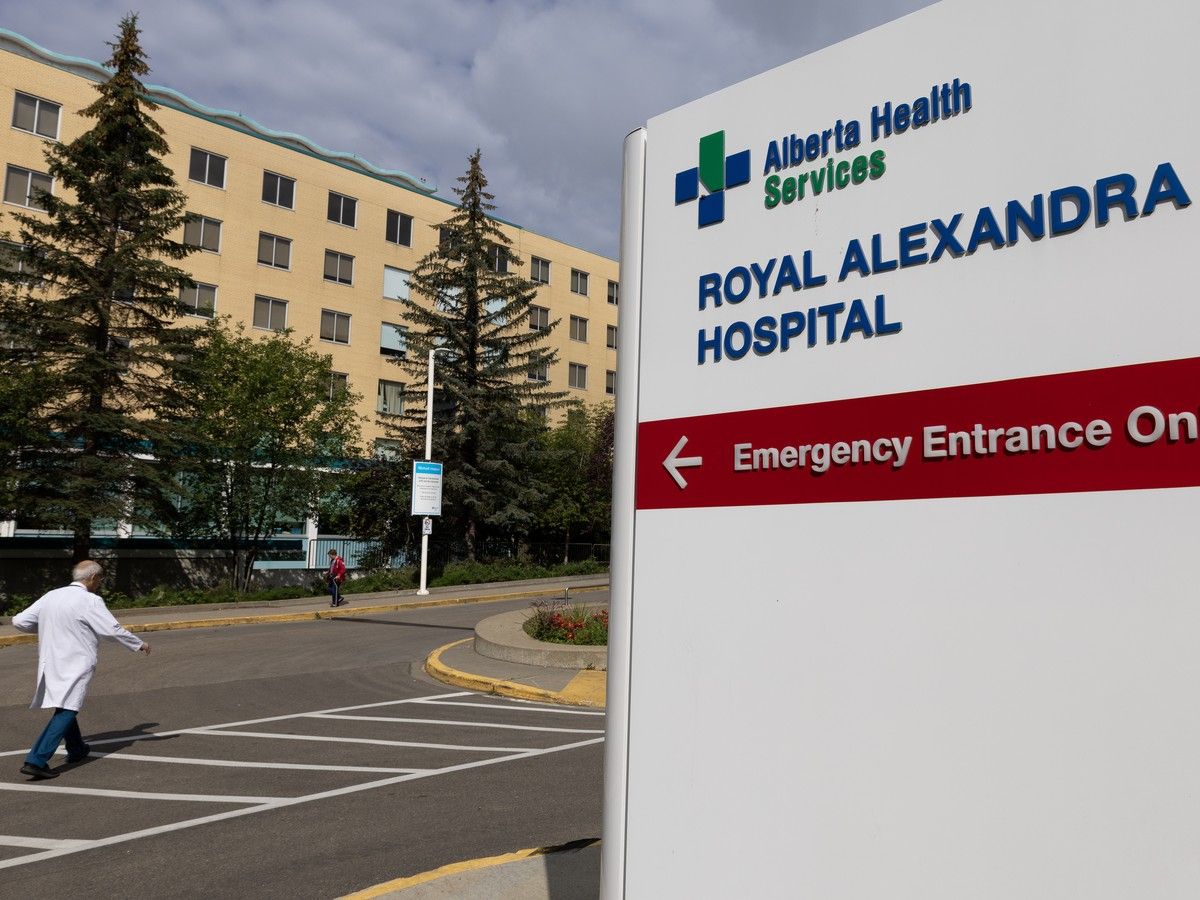
Patients admitted to Edmonton’s Royal Alexandra Hospital who test positive for COVID-19 are being placed on wards with other COVID-positive patients, as the hospital works to contain infections amid ward outbreaks and pressure on beds. Dr. Warren Thirsk, an emergency physician at the hospital and president of the emergency room section of the Alberta Medical Association, said patients hospitalized for other acute illnesses are also contracting COVID, adding to the complexity of care.
The hospital is grouping patients with infectious diseases to help isolate COVID-19 in particular, Thirsk said. He described SARS-CoV-2 as active and causing serious disruption in hospitals.
“There’s been at least a couple COVID outbreaks declared at different wards in the hospital. There are signs that there is COVID spreading amongst the patients on a ward, so then they close the whole ward, and we are still trying to cohort patients,” Thirsk said.
Patients who test positive after admission are placed on a ward where others also have COVID, he said, because the virus spreads readily between patients and people. Grouping them is especially relevant when the hospital is full and patients share rooms.
“Especially when we’re at capacity and we’re looking at shared rooms and rooms with four people in them. If one person in that room has COVID, you know the next three are going to get it if they’re not already sick with COVID, which is why we lump them together.”
Anyone admitted to hospital is ill and may need oxygen, intravenous fluids or antibiotics, Thirsk said. A patient must have a significant medical reason for being unable to receive care outside hospital, and COVID may be the reason oxygen is needed.
“There has to be an important reason why you can’t be managed out of hospital, and then if you have COVID as part of the reason that you’re in hospital, it may be the reason that you’re needing oxygen,” he said. COVID can be the added illness that turns a person’s condition from manageable at home to serious enough to require admission, he said.
“It’s like one more hit on a multi-system problem for a lot of people because people are generally, as our population ages and as we see more complexity in the health care system, people are presenting with more and more health problems, and so they just sort of add together, and COVID’s just sort of the straw that breaks the camel’s back sometimes for many of those patients,” Thirsk said.
As of Tuesday, Alberta’s respiratory virus dashboard displayed indicators only through Oct. 3. The province had recorded 322 COVID cases so far this season, including 87 during the week from Sept. 27 to Oct. 3. There were 24 COVID patients in hospital and one in intensive care during the period shown, while one person had died from SARS-CoV-2 this season.
Emergency departments are also contending with persistent waits linked to shortages of staff and beds available for hospital admissions, Thirsk said. Patients needing admission can remain in emergency, adding to crowding and delays.
“We’re seeing hallways full of stretchers and ambulance patients being offloaded into hallways, and you know wait times are creeping into the double digits fairly routinely. So I’d say yes, it’s bad. I don’t know that it’s really gotten much better over the summer,” Thirsk said.
Flu numbers are rising earlier than usual in Alberta, he said. When flu season intensifies, more people at elevated risk, including people who are immunosuppressed, older adults and younger people, may need care.
“We’re going to be seeing some more of those coming into the ER. We can’t handle what’s there now, so anything that puts more people into the hospital puts more people into the emergency department. It will stress the system more and create longer waits and potentially worse outcomes,” Thirsk said.
He said low COVID vaccination levels across Alberta add to the pressure. The hospital is offering flu and COVID shots to health-care workers, while broader public access to immunization is just beginning because vaccines had not been available earlier. Immunizations normally start in October, he said, but the viruses arrived early this year, meaning some people may become ill before they can be vaccinated.
“The hospital is rolling out the flu shot and the COVID shot for health care workers, and so the greater public population has not been getting lots of either immunization yet, mostly because they haven’t been available. We usually start immunizations in October, and so we’re just starting those now. And this year, though, the viruses have landed early, and so a lot of people will catch the disease as opposed to getting immunized to be protected from the disease,” he said.
Thirsk said COVID continues to fluctuate and mutate, like other viruses. People who have had it before can become infected again as immunity fades and the virus changes, he said.
“It will mutate, and everyone who caught COVID before will catch it again, because your immunity is no longer going to work. Your immune system tends to forget about COVID fairly quickly, and then you also have it mutating away from the immunity that you do have,” Thirsk said.
“We were told it was going to be endemic, and people didn’t really think that that just meant it was going to keep coming back. It is back,” he said.
Sharif Haji, the Alberta NDP’s shadow minister for primary and preventative health services, issued a statement urging Albertans to get vaccinated. He cited last year’s flu season and the province’s vaccination rates, and criticized the cost of COVID vaccination for many residents.
“Last year was the deadliest flu season on record, and Alberta’s lowest vaccination rates for over a decade. The UCP is charging most Albertans over $100 for a COVID shot during an affordability crisis instead of making it easier for people to get vaccinated and taking pressure off our health care system,” Haji said.
Albertans can book fall immunization appointments online or by calling Health Link at 811, said Jaye Lang, press secretary for Primary and Preventative Health Services. Lang said immunizations had already begun for some of the most vulnerable residents.
“Starting in early October, as soon as vaccines became available, residents in congregate care settings were offered vaccines, as appropriate,” Lang said.
The health system is entering the flu season while COVID remains present, with hospitals managing patients who have multiple conditions and emergency departments facing limited staffing and admission capacity. Thirsk said increased hospital admissions would also add to emergency department demand and could lengthen waits.