
Sherwood Park News has reported:
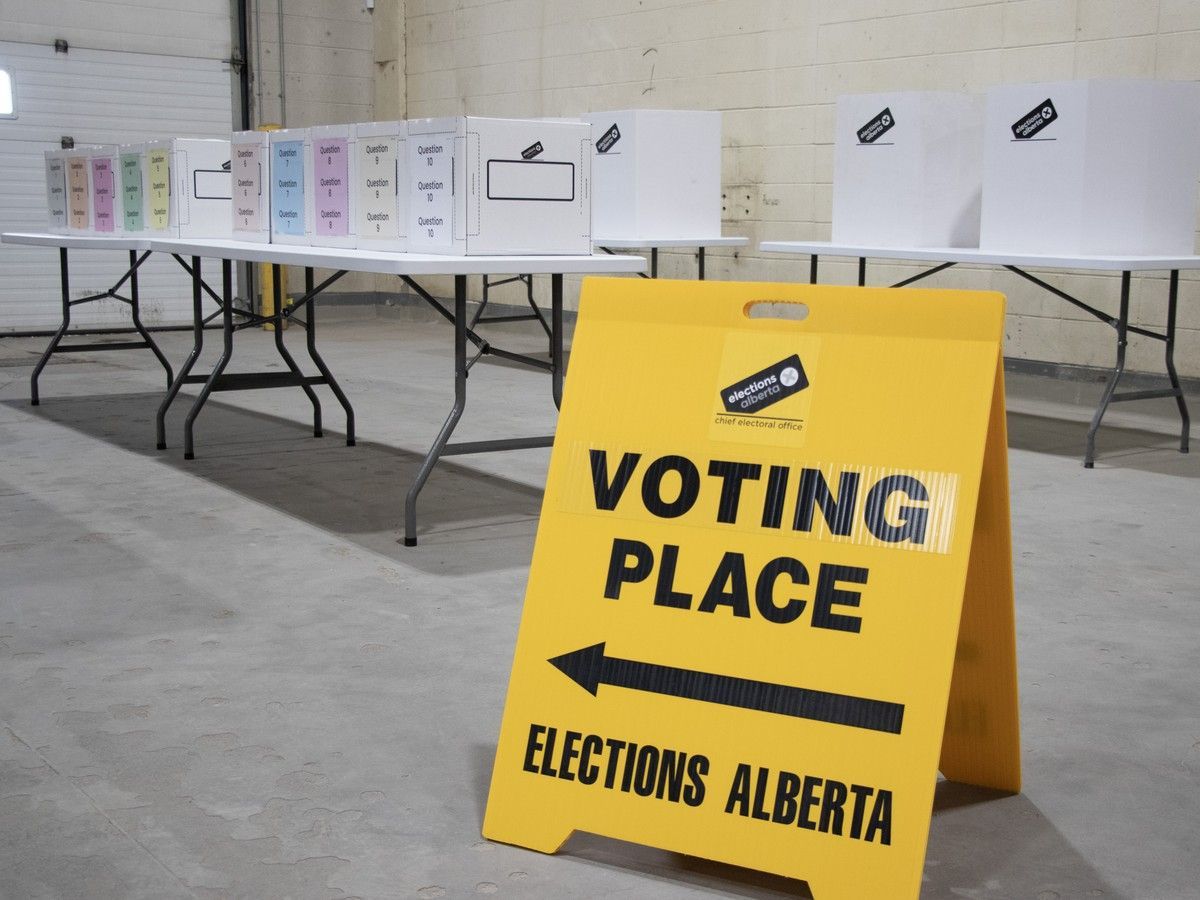
Elections Alberta is facing criticism and misinformation as Alberta’s provincial referendum approaches, with one week left before voters cast ballots. The agency has been fielding questions about eligibility, special ballots, election oversight and the referendum questions, while using social media more often to respond to claims circulating online.
Some criticism has focused on whether the referendum questions are clear or constitutional. Critics have directed complaints at Elections Alberta, but the agency says the provincial government established the questions and that it did not draft them. The wording has also drawn comment from legal observers, language experts and voters, with concerns that several questions are lengthy, complex or combine multiple ideas.
The ballot includes 10 questions on immigration, provincial authority, constitutional reform and Alberta’s relationship with Canada. Previous provincewide referendums typically asked voters to consider one issue, making this vote unusually broad in scope and one of the most expansive referendum ballots in Alberta’s history. Some voters have said publicly that parts of the ballot are difficult to follow, while language experts have pointed to multiple clauses that require careful reading.
One recurring concern online is whether special-ballot voters are being properly checked for citizenship and residency. Elections Alberta says the eligibility and identification rules are the same as those used in previous provincial elections, except that voter vouching is no longer allowed. Special-ballot voters must provide identification and sign declarations before their ballots can be accepted.
The agency has also responded to allegations that party scrutineers are missing from special-ballot operations. It says scrutineers representing registered political parties have been at the special-ballot receiving facility since late August. On questions about communication and scheduling, Elections Alberta says political parties, rather than election officials, appoint and schedule their own representatives.
In several social media exchanges, Elections Alberta described posts as “disinformation.” The claims it addressed included allegations about ballot handling and election officials, as well as videos presented as evidence of wrongdoing. In one instance, the agency said a widely shared video was recorded before the referendum and had no connection to Elections Alberta or the vote.
The agency’s responses reflect the work facing election administrators during the final week before voting. Alongside running the referendum, Elections Alberta is answering questions about election integrity, correcting claims it says are false and explaining the limits of its responsibilities as online debate grows.
The first four questions concern immigration and access to provincially funded programs. The first asks whether the Alberta government should take more control over immigration to reduce it to “more sustainable levels,” prioritize economic migration and give Albertans first priority for new jobs.
The second asks whether only Canadian citizens, permanent residents and people with an Alberta-approved immigration status should qualify for provincially funded programs, including health care, education and other social services. The third asks whether people with non-permanent legal immigration status should have to live in Alberta for at least 12 months before qualifying for provincially funded social support programs. It says Canadian citizens and permanent residents would continue to qualify as they do now.
The fourth immigration-related question also assumes that citizens and permanent residents would retain their current eligibility for public health care and education. It asks whether Alberta should charge a reasonable fee or premium to people with non-permanent immigration status living in the province for their own and their family’s use of those systems.
The fifth question asks whether people should have to provide proof of citizenship, such as a passport, birth certificate or citizenship card, to vote in a provincial election. The next four questions ask whether Alberta should work with other willing provinces to amend the Canadian Constitution.
Those constitutional questions address who selects justices for provincial King’s Bench and Appeal courts, the abolition of the unelected federal Senate, provincial opt-outs from federal programs in provincial areas, and conflicts between provincial and federal laws. The proposed opt-out would apply to federal programs that intrude on provincial jurisdiction, including health care, education and social services, and would allow a province to retain associated federal funding for its social programs. The final constitutional question asks whether provincial laws in provincial or shared areas should take priority when they conflict with federal laws, to better protect provincial rights from federal interference.
The tenth question asks whether Alberta should remain a province of Canada or whether its government should begin the legal process required under the Canadian Constitution to hold a binding provincial referendum on separation. Voters will choose between “Alberta should remain a province of Canada” and “The government of Alberta should commence the legal process required under the Canadian Constitution to hold a binding provincial referendum on whether or not Alberta should separate from Canada.”
The referendum questions have become a subject of debate in their own right, including concerns about the language used on the ballot and the number of concepts contained in individual questions. With the vote a week away, Elections Alberta’s public explanations have addressed both those concerns and operational claims about how ballots are handled and who oversees the process. The agency says the referendum questions belong to the provincial government, while parties manage the appointment and scheduling of their scrutineers.