
Edmonton Journal and CTV News Edmonton have reported:
Edmonton Mayor Andrew Knack says a provincial order to reverse the city’s infill rules will increase property taxes and housing costs, while pushing growth to the city’s edges. Alberta Premier Danielle Smith announced Thursday that Edmonton and Calgary must roll back changes to housing types, density and height that she said were harming homeowners. Edmonton has three months to return to zoning parameters from before changes made in 2024 and restore on-site parking requirements that were in place before 2020.
During the three-month period, current bylaws will remain in force and already approved development can proceed. Edmonton must also hold new public consultations and complete them within 18 months. Calgary will be directed to maintain its current approach after repealing its own zoning changes recently.
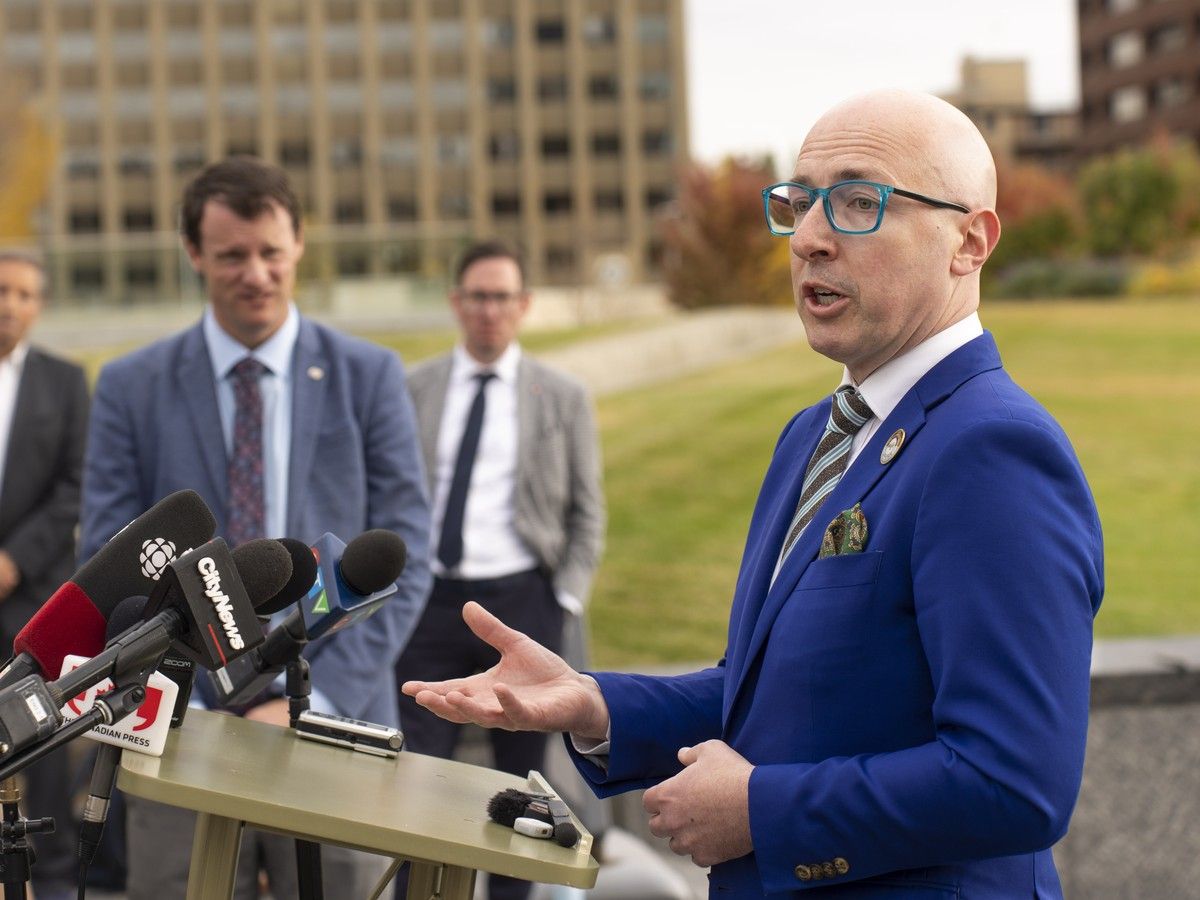
Knack said he learned what Smith had decided at 1:15 p.m. Wednesday. Speaking Thursday on the legislature grounds, he argued the directive would take the city back to a zoning bylaw written in the 1960s. “This kind of uninformed directive by the premier will make Edmonton less affordable, drive up property taxes and create months of uncertainty,” he said.
“Limiting homes in established neighbourhoods doesn’t stop growth, it pushes it to the edge of the city. Taxpayers can’t afford for us to keep sprawling - every new suburb needs new roads, pipes, firehalls and bus routes - that lands on your tax bill forever,” Knack said. He added: “Make no mistake - this change makes property taxes go up. It increases housing costs and rental costs. Fewer people will have an opportunity to have a home in our city. What about all the students? What about the people under 40?”
Knack rejected the idea that the provincial changes were only suggestions, saying the deadline left councillors with no choice but to comply. He said the province should instead give municipalities authority under the Municipal Government Act to deny permits when infill builders break rules. Knack said replacing Edmonton’s zoning bylaw, which was developed through more than five years of consultations, within 18 months would be “really expensive.”
Smith said Albertans want neighbourhoods with room to live, parking and a sense of community, and that residents had told the government high-density infill was changing the pace and scale of their neighbourhoods. Municipal Affairs Minister Dan Williams said the province intervened to prevent housing growth from straining utilities, traffic and parking. He said he appreciated the years city staff spent drafting new bylaws, but some changes “went too far, too fast.” “We can have a policy that drives housing starts and also reduces the conflict we have within our communities,” Williams said.
Knack said he did not believe Smith understood the consequences of the intervention and argued that decisions about Edmonton neighbourhoods should be made locally. “There is no accountability when the rules of your street are written in the premier’s office,” he said. “My ask of the premier is simple: Pause this chaotic directive.”
Several Edmonton councillors said Williams spoke with them Wednesday night before the announcement. Ward Anirniq Coun. Erin Rutherford said he did not understand the city’s engagement and processes, the changes it had made, or upcoming work on district-level parking minimums and the impact of reversing rules in some zones inside the Henday. “For example - is Griesbach defined as infill by their definition?” she said.
Ward O-day’min Coun. Anne Stevenson, who has a degree in urban planning, said the rollback would raise living costs. “This will increase the cost of housing across the spectrum from entry-level rentals to home-ownership,” she said, adding that development that no longer happens would mean significant lost revenue. “It’s a deeply destabilizing move and Edmontonians are going to suffer for it.”
Alberta Municipalities president Dylan Bressey said municipal leaders are increasingly concerned about being made to take on debt created by cabinet decisions. “Today’s announcement impacting Edmonton is just the latest expensive attack on municipal autonomy,” he said. “Municipal leaders across the province are saying enough is enough.” He said Alberta’s founders created municipal councils because an MLA hundreds of kilometres away cannot know a neighbourhood’s needs better than local officials who live and work there.
Edmonton’s zoning changes have been contentious since they took effect in 2024. Critics say high-density homes on former single-family lots put pressure on mature neighbourhoods. The city described its three-year public engagement before the rollout as “extensive,” while some residents said the changes took them by surprise. Knack said the city has since listened to residents, lowered infill height limits and created a Construction Accountability Program to address builders breaking the rules.
Alberta NDP Leader Naheed Nenshi said the province lacks urban-planning expertise and should leave the decisions to experts and local leaders. “We just had an election which made it seem like the majority of Edmontonians were not, in fact, that angry about this,” he said. “But if people are,” he added, “then they have every right to go to their municipal councillors … to force change at the local level.”