
First Nations across Alberta are organizing voters ahead of the Oct. 19 referendum, preparing community teams to share information, help people reach polling stations and support members who need assistance casting ballots. The vote asks Albertans to answer 10 questions: nine concerning immigration and constitutional issues, and a final question on separation. Voters will decide whether Alberta should remain in Canada or hold a second, binding referendum on breaking away.
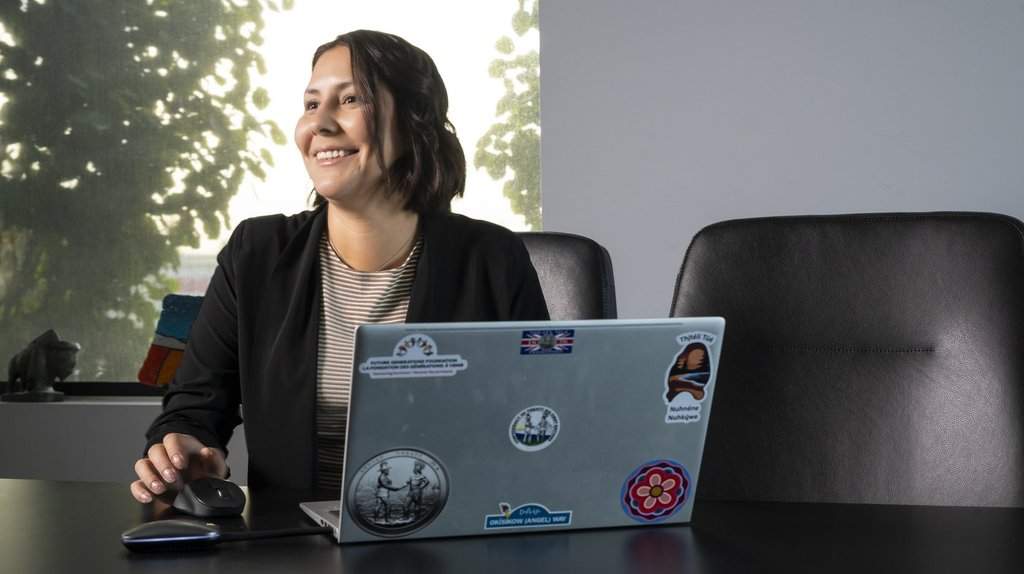
Angel Houle, who works with the Confederacy of Treaty Six First Nations in Edmonton, said she has never voted in a provincial election but plans to cast a ballot this month. She and other staff have been holding workshops to build teams among member nations. The teams will work directly in communities to explain where and how to vote, with the effort framed as support for a united Canada and the treaties and agreements underlying that unity.
“The decisions being made in this referendum matter to treaty people and our nations and our future generations,” Houle said in Edmonton. “It’s important to let everyone know that silence could be consent in this referendum.” She said community members have recently been asking for more information. “It tells me that they’re wanting to participate, so that they know their voice is heard.”
First Nations people are among groups on both sides of the referendum debate that are encouraging participation and rallying support. The campaign has also brought longstanding disagreements into view, including a consequential lawsuit between First Nations and Premier Danielle Smith’s United Conservative Party government. Smith says First Nations remain valued partners, while First Nations leaders have questioned that position because they believe their people, lands and treaties have been treated as an afterthought in discussion of separation. The treaties were signed before Alberta became a province.
Some nations have brought in experienced organizers. Tania Cameron, an Ojibwa woman from Ontario, started the First Nations Rock the Vote campaign from her living room more than a decade ago. She recently spent more than a week in Alberta presenting get-out-the-vote strategies and working with leaders in communities, including Treaty 8 Sovereign First Nations.
Cameron said organizing is gaining momentum. “People are talking; people feel that they’re on a mission.” She said she saw voter registration drives, efforts to teach people about treaties and ceremonies recognizing and blessing the work. “There’s a lot of provinces watching, a lot of treaty chiefs across the country watching what’s happening in Alberta.”
Cameron pointed to the 2015 federal election as an example of the effect First Nations voters can have. She said turnout in Alberta First Nations was high enough that some communities ran out of ballots, and on-reserve voting turnout increased by about 25 percentage points. She believes voters could make a similar impact on the referendum. “We’re going to show our political muscle,” Cameron said. “It’s about relaying the message from the people that separation is off the table.”
Organizers face practical challenges, including ensuring voters have the required identification, arranging transportation to polling stations and addressing language barriers. Houle said First Nations groups are translating the referendum questions for people whose first language is not English. They also plan to have chiefs and other officials available at polling stations to help sign special forms verifying eligibility when necessary. An information session for members living off reserve is also planned.
The referendum is expected to draw a large turnout. Elections Alberta has sent out more than 652,000 mail-in ballots and estimates that 85 per cent of eligible voters could participate. That would exceed the provincial record of nearly 82 per cent, set during the 1935 general election.
First Nations leaders have already challenged the separatist movement publicly. In March, as discussion of separation intensified, chiefs gathered at the legislature and urged Smith’s government to stop the movement early. From the gallery above lawmakers, some called on the United Conservative Party to denounce separatism. One chief shouted, “Traitors!”
A coalition of First Nations also brought a court case arguing that a citizen-initiated petition for a separation vote was invalid because Alberta had not met its constitutional duty to consult First Nations. A judge agreed in May and quashed the petition. Smith’s government announced soon afterwards that it would appeal, leaving the lawsuit in legal limbo. Smith then announced the referendum anyway, citing hundreds of thousands of Albertans who had signed petitions supporting one side or the other.
Tsuut’ina Nation Head Chief Ellery Starlight said the vote is critical, although the division surrounding it has been destructive. Tsuut’ina Nation, in southern Alberta, is a signatory to Treaty 7. Starlight said Canada is founded on treaties and that all Albertans have a responsibility to vote for unity.
“There are a lot of people that are motivated,” Starlight said. “We have to help them along the way. But coming up to the vote, why is it only us?” he asked. “Why is it only the First Nations that have this kind of a campaign, and we’re the poorest demographic in Canada?”
The Canadian Press report was first published Oct. 4, 2026.
Based on reporting by Global News Edmonton.