
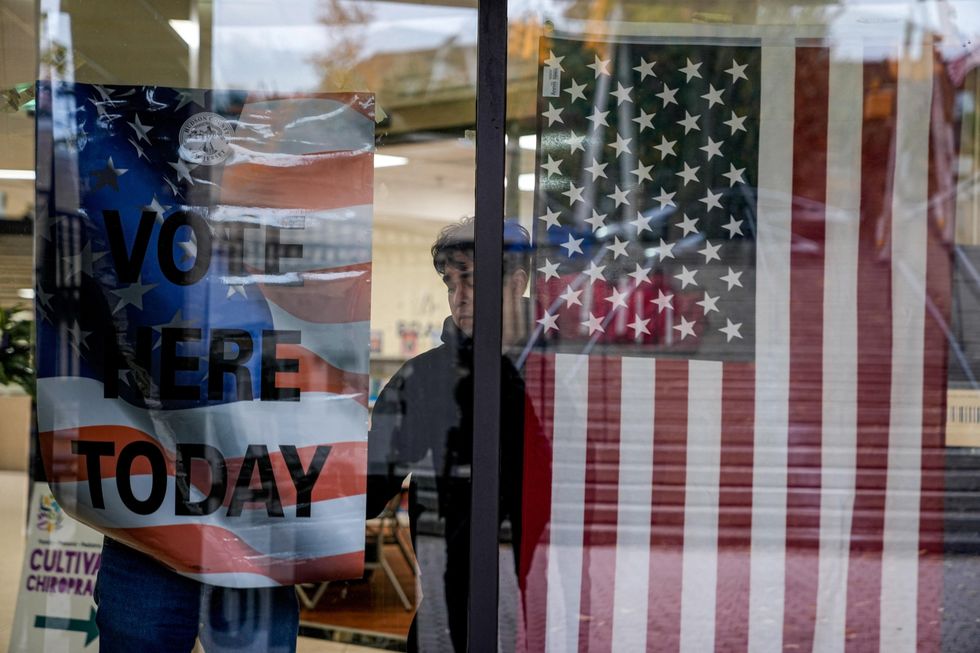
Responsible Statecraft has reported:
Republicans were bracing for potential losses that could put both chambers of Congress in Democratic hands as Americans voted Tuesday. Survey data pointed to two connected concerns animating voters: rising prices and the war in Iran, following a major increase in Republican support in 2024.
The election raised the question of whether voters would hold Republicans nationwide responsible for President Donald Trump’s controversial foreign policy, including tariffs and the conflict with Iran. Both have contributed to higher costs at grocery stores and fuel pumps, according to the source account.
Democrats appeared well positioned in forecasts. Nate Silver’s “FLIPR” forecast favoured Democratic Senate gains in traditionally Republican states including Kansas and Texas. By Tuesday morning, Silver, VoteHub and RealClearPolitics each projected that Democrats would win both the House and Senate.
The election-day account said it would be updated as exit polls and results came in, tracking the effects of the cost of living and the Iran war on the vote. It was last updated at 1:34 p.m. EST.
In an interview in Omaha on election day, independent Nebraska Senate candidate Dan Osborn said voters were frustrated by politicians becoming wealthier as living costs rose. Osborn was in a close race with incumbent Republican Sen. Pete Ricketts.
“They see the people on the top getting rich and themselves struggling more and more everyday, regardless of what you do for a living,” Osborn told Drop Site. “The grift is real. It’s real for people like for families like mine who are having to keep groceries on the table and gas in our tanks.”
Osborn also said Trump “should not be in charge of sending our sons and daughters into a war zone.”
Conservative radio host Mark Levin argued that a large Republican defeat would reflect turnout, rather than opposition to Trump’s policies. In his latest episode, he lamented the possibility of major losses and said, “we know when it comes to Iran, they had a nuclear obsession, and that had to be stopped. And as a result, you can go to bed at night, and the vast majority of us are utterly unaffected by that war.”
Levin said that if Republicans lost heavily Tuesday, “it's not because of the Iran war. It's not because of the price of gasoline. It's because more of them (Democrats) voted than us.” The account said available data contradicted his position: the Strait of Hormuz was largely closed after Trump launched the war in February, contributing to higher oil, diesel and gasoline prices.
The resulting fuel costs and shipping disruptions affected American farmers, including through higher diesel prices and interruptions to shipments of fertilizer components. Consumers faced higher prices for goods and interest rates, while wage growth was not keeping pace with inflation, the account said. Polls also placed the war ahead of immigration and crime among the issues motivating voters.
Gas and diesel prices reached record highs for an election day on Tuesday, according to fuel analysts cited in the account. The average U.S. gallon of gasoline cost $4.12 and diesel averaged $6.28, representing an increase of roughly 50 per cent since February.
The account attributed the rapid rise in gas prices almost entirely to the Iran war and the disruption to global oil markets caused by the largely closed Strait of Hormuz. Polls showed voters ranked fuel costs and the broader cost of living among their leading election concerns.
Some Republicans had called for the war to end, while most continued to support the Trump administration’s position of defeating Iran’s regime. Florida Gov. Ron DeSantis, a likely Republican presidential candidate in 2028 who was not seeking re-election as governor, warned Monday that the party’s stance could harm it politically.
“Gas is higher. It hurts people, working class people, and it's higher because of this conflict,” DeSantis said. “If you can't admit that to voters, then you're gaslighting them, and they're not going to listen to you on other things.”